
Do Not Fear Lose Influence
Roberto Damiano Battaglia - Leo XIV tells the Church to stop defending turf and start trusting the Gospel.

Beyond strategic moves and calculated positioning: the Gospel works not through tactical control, but through the power of its own attraction.
“It is not a matter of numbers,” Leo XIV said at the Rimini Meeting, “although it is moving to see thousands of your peers asking for Baptism in societies considered among the most secularized in the world. It is a matter of freedom: the truth is encountered only in freedom.”
Roberto Damiano Battaglia - Leo XIV calls on the Church to live in the present without fear, trusting in mercy, in encounter, and in the Gospel's power to attract.
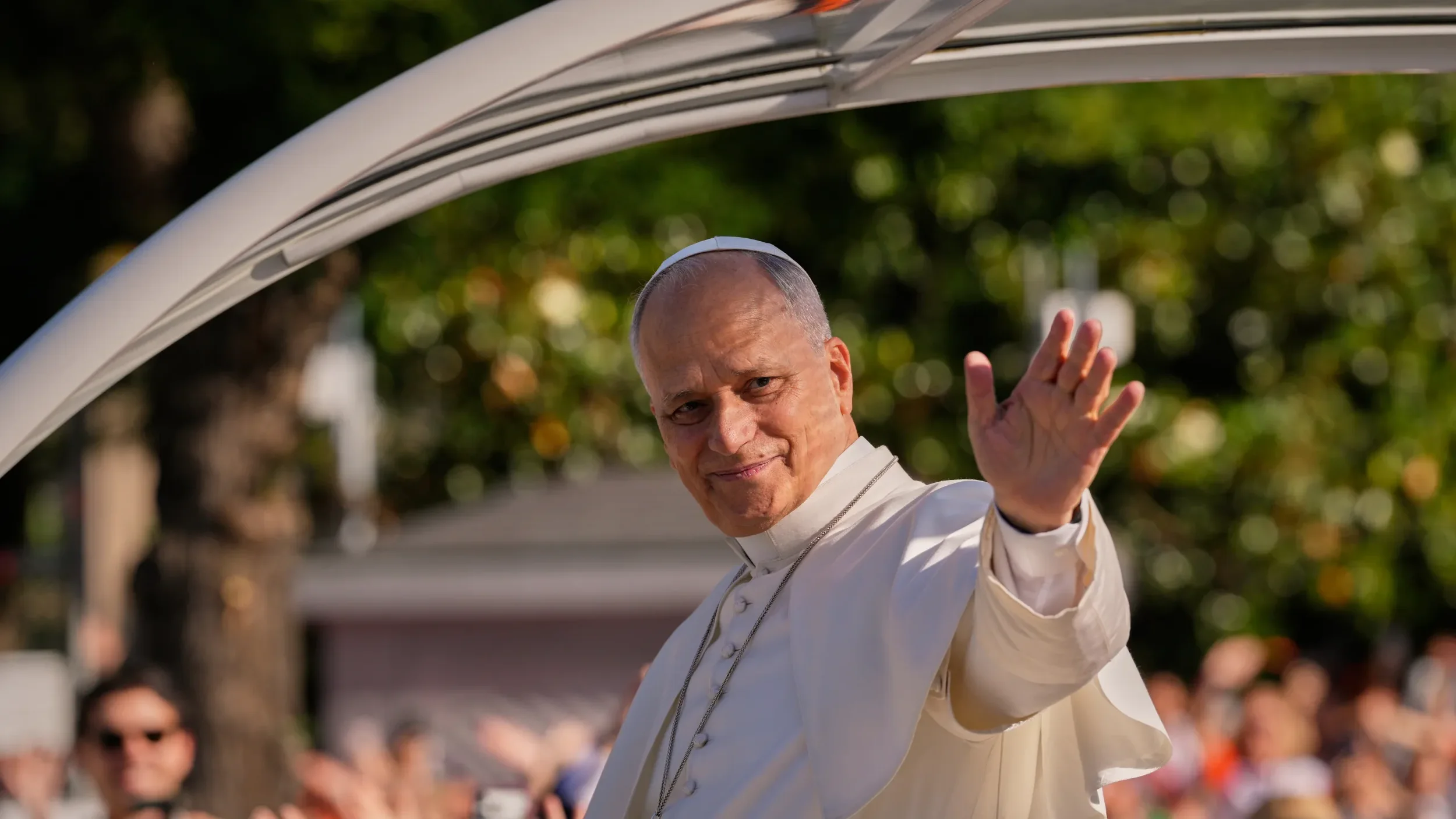
Speaking at the Rimini Meeting, Leo XIV set out the fundamental features of Christian witness in the times we are living through. His perspective was positive—neither fearful nor defensive—and squarely focused on "the most human questions and an infinite desire for meaning, justice, and peace" that surface in the experience of the men and women of our time.
Drawing on the teaching of his predecessors—St. John Paul II, Benedict XVI, and Francis—the Pope pointed first to divine mercy "as the point of convergence between the Gospel and the 'new realities' of this dramatic and wonderful era."
What is at stake in that statement becomes clear when we recall that Benedict XVI, after resigning the Petrine ministry, singled out the same element of continuity in the recent magisterium. It is, he wrote, "a 'sign of the times' that the idea of God's mercy is becoming increasingly central and dominant," and he observed that the parable of the Good Samaritan speaks with particular force today, when humanity waits for someone who can embrace and heal all our wounds. St. Paul VI had cited the same parable in his closing address at Vatican II as "the paradigm of the Council's spirituality."
Leo XIV approached our "dramatic and wonderful" age from the same vantage point, calling on those at the Meeting to take up a specific "historical responsibility": they are called, "within the greater communion of the Church, to serve a humanity that hungers and thirsts for justice." In doing so, Prevost cleared the air around a familiar temptation—the urge to fear and fight "a certain loss of influence," under the illusion that Christian presence in society is established through hegemony. He invited us instead to "value more highly the power of the Gospel, the bonds it creates, the logic it ignites, and the life it brings forth."
The Pope pointed to "a world rife with maneuvers aimed at conquering markets and spheres of influence—often cloaked in reassuring rhetoric and seductive ideological constructs." Against that backdrop, he said, "our hearts feel the need to discover a different plan […] similar to the one Mary contemplates in the Magnificat, when she proclaims that from generation to generation God's mercy extends to those who fear him."
At the heart of this plan of mercy, which runs through today's history as well, "lies the mystery of the Incarnation" (Magnifica humanitas). Those at the Meeting were called to rediscover in that event the source of the originality of Christian presence in the world, following the teaching they have received: to "read the Gospel as the revelation of God who comes to meet us, as an event, a gaze, an experience."
The "realism of mercy"—which Catholic culture sets against a "false realism" that hardens minds and words—has no enemies, because "even adversaries are brothers and sisters to be looked in the eye and encountered in truth."
The Mystery of the Incarnation is a "disarming beauty," one that "calls for taking 'the educational risk'"—as Leo XIV put it—"that Fr. Giussani spoke to you about."
In our time, Giussani said, we are brought back to "evangelical poverty," because "the great problem of modern man is no longer a theoretical question but an existential one. Not 'Who is right?' but 'How does one live?' […] We must move from an intellectually critical stance to a passion for what marks man today: doubt about existence, the fear of existing, the fragility of life, and the inconsistency of the 'I.'"
The era we are called to live in thus shows itself to be the "acceptable time" (2 Cor 6:2). It is plain today that the Christian experience can be communicated only through impact—through an unexpected and unpredictable encounter with a transformed humanity—and for that very reason it can make credible what would otherwise be incomprehensible, to the point of raising the question: "Is it possible to live this way?"
"It is not a matter of numbers," Leo XIV clarified, "although it is moving to see thousands of your peers asking for Baptism in societies considered among the most secularized in the world. It is a matter of freedom: the truth is encountered only in freedom."
The "disarming beauty" of the Christian experience shows itself as such precisely because it has no strength other than the appeal the Pope highlighted, once again drawing on the teaching of his predecessors: "The Church does not proselytize. She grows by attraction."
He also called for unity within the Church's communion, with reference to synodality, which comes about through genuine listening. That rules out the self-referentiality that reduces community life to "a sort of enclave," a comfort zone where we wallow in self-satisfaction, under the illusion that we possess what we think we know—when in fact we can rediscover it only by opening ourselves to new encounters. What is required is a real openness to meeting others, inside and outside the Church, a point Leo XIV drove home: "Put yourselves out there! Open yourselves to true catholicity, extending your bonds beyond any overly narrow sense of belonging. Let the Movement, the groups, and the communities be a springboard from which to dive into the whole of reality. […] Go out to meet everyone!"
We are called to dig into this address, which is crucial for grasping the framework within which the Church's mission has to operate in our time. That task demands deep loyalty, so that it is not reduced to a dialectical debate over conflicting interpretations. To take in the Pope's words fully and on their own terms—words addressed to the whole Church at an event like the Meeting—we have to make his gaze our own, grateful to live in our time with its challenges, not running from them but engaging them, to rediscover in them, and thanks to them, the nature of the Christian Event.
The Church today cannot shirk this responsibility.
-
“Non temere di perdere influenza, il Vangelo si propone per attrazione”
Roberto Damiano Battaglia
Leone XIV invita la Chiesa a vivere il presente senza paura, affidandosi alla misericordia, all'incontro e alla forza attrattiva del Vangelo
Leone XIV, intervenendo al Meeting di Rimini, ha delineato i tratti fondamentali della forma della testimonianza cristiana nel tempo che stiamo vivendo, offrendo uno sguardo positivo, affatto timoroso e ancor meno difensivo, tutto proteso a intercettare «le domande più umane e un desiderio infinito di senso, di giustizia e di pace» che emergono nell’esperienza degli uomini e delle donne nostri contemporanei.
Il Papa, richiamando i suoi predecessori San Giovanni Paolo II, Benedetto XVI e Francesco, ha innanzitutto indicato la misericordia divina “come punto di impatto tra il Vangelo e le ‘cose nuove’ di quest’epoca drammatica e meravigliosa”.
Si può cogliere il rilievo di questa affermazione dell’attuale Pontefice ricordando come Benedetto XVI, dopo la sua rinuncia al ministero petrino, avesse sottolineato il medesimo elemento di continuità nel magistero recente, affermando come sia “un ‘segno dei tempi’ il fatto che l’idea della misericordia di Dio diventi sempre più centrale e dominante» e osservando come la parabola del buon samaritano susciti un’attrattiva particolare nel tempo presente, in cui l’umanità attende qualcuno che possa abbracciare e risanare ogni nostra ferita. La medesima parabola fu inoltre indicata da San Paolo VI, nel discorso conclusivo del Vaticano II, come «paradigma della spiritualità del Concilio”.
Leone XIV si è posto di fronte alla nostra epoca “drammatica e meravigliosa” nella medesima prospettiva, richiamando i partecipanti al Meeting a una specifica “responsabilità storica”, essendo chiamati, “nella comunione più grande della Chiesa, a servizio di un’umanità che ha fame e sete di giustizia”. Prevost ha in questo modo spazzato via gli equivoci circa la tentazione di temere e combattere una “certa perdita di influenza” nell’illusione di realizzare la presenza cristiana nella società attraverso un’egemonia, invitando invece a stimare “di più la potenza del Vangelo, dei legami che genera, della logica che accende, della vita che fa sorgere”.
Il Papa, rispetto a “un mondo attraversato da tante manovre che puntano a conquistare mercati e spazi di influenza, spesso rivestite da retoriche rassicuranti e costruzioni ideologiche seducenti”, ha sottolineato come, al contrario, “il nostro cuore avverte il bisogno di scoprire un disegno diverso […] simile a quello che Maria contempla nel Magnificat, quando proclama che di generazione in generazione la misericordia di Dio si stende su quelli che lo temono”.
Al centro di questo disegno di misericordia, che attraversa anche la storia odierna, “sta il mistero dell’Incarnazione” (Magnifica humanitas). I partecipanti al Meeting sono stati richiamati a riscoprire in questo avvenimento la sorgente di una presenza originale del cristiano nel mondo, secondo l’educazione ricevuta a “leggere il Vangelo come rivelazione di Dio che si fa incontro, avvenimento, sguardo, esperienza”.
Il “realismo della misericordia”, che la cultura cattolica oppone al “falso realismo”, il quale riarma le menti e le parole, non ha nemici, poiché “anche gli avversari sono fratelli e sorelle da guardare negli occhi e incontrare nella verità”.
Quella del Mistero dell’Incarnazione è una “bellezza disarmata”, la quale “domanda di correre ‘il rischio educativo’ – ha rimarcato Leone XIV – di cui vi parlò don Giussani“.
Nel nostro tempo, affermava lo stesso sacerdote ambrosiano, siamo riportati alla “miseria evangelica”, poiché “il grande problema dell’uomo di oggi non è più una teorizzazione interrogativa, ma una domanda esistenziale. Non ‘Chi ha ragione?’, ma ‘Come si fa a vivere?’ […] Dobbiamo passare da una posizione intellettualmente criticistica alla passione per ciò che caratterizza l’uomo oggi: il dubbio sull’esistenza, la paura dell’esistere, la fragilità del vivere, l’inconsistenza di se stessi”.
L’epoca che siamo chiamati a vivere si rivela così come il “tempo favorevole” (2Cor 6,2), poiché oggi è evidente che l’esperienza cristiana non si può comunicare se non nell’impatto, attraverso un incontro imprevisto e imprevedibile, con un’umanità cambiata e, per questo, capace di rendere credibile ciò che sarebbe altrimenti incomprensibile, fino a suscitare la domanda: “Si può vivere così?”.
“Non si tratta di una questione di numeri – ha precisato Leone XIV – sebbene commuovano le migliaia di vostri coetanei che chiedono il Battesimo in società considerate tra le più secolarizzate del mondo. È una questione di libertà: la verità si incontra solo nella libertà”.
La “bellezza disarmata” dell’esperienza cristiana si rivela dunque tale in quanto non ha altra forza se non l’attrattiva richiamata dall’attuale Pontefice, riprendendo ancora una volta l’insegnamento dei suoi predecessori: “la Chiesa non fa proselitismo. Essa si sviluppa piuttosto per attrazione”.
In questa direzione non è mancato il richiamo all’unità nella comunione della Chiesa, col riferimento alla sinodalità, che si realizza in un ascolto reale, oltre ogni autoreferenzialità nella quale la vita comunitaria si riduce a «una sorta di enclave» o a una comfort zone in cui autocompiacersi, nell’illusione di possedere ciò che crediamo di sapere e che invece potremo riscoprire solamente aprendoci a nuovi incontri. Si tratta di una reale apertura all’incontro con l’altro, dentro e fuori la Chiesa stessa, che Leone XIV ha riproposto con forza: “Mettetevi in gioco! Apritevi a una vera cattolicità, allargando i vostri legami oltre ogni appartenenza troppo ristretta. Il Movimento, i gruppi, le comunità siano un trampolino da cui tuffarvi nell’intera realtà. […] Uscite incontro a tutti!”.
Il lavoro cui siamo chiamati nell’approfondire questo intervento magisteriale, decisivo per cogliere l’assetto cui è chiamata la missione della Chiesa nel nostro tempo, richiede una profonda lealtà per non ridurlo a un dibattito dialettico su interpretazioni contrapposte. Per accogliere adeguatamente e integralmente il discorso del Papa, rivolto a tutta la Chiesa in un luogo come il Meeting, occorre l’immedesimazione con il suo sguardo, grati per vivere il nostro tempo con le sue sfide, senza fuggire da queste e, al contrario, abitandole per riscoprire in esse e, grazie ad esse, la natura dell’Avvenimento cristiano.
La Chiesa di oggi non può sottrarsi a questa responsabilità.
-
«No temas perder influencia: el Evangelio se impone por su atractivo»
Roberto Damiano Battaglia
León XIV invita a la Iglesia a vivir el presente sin miedo, confiando en la misericordia, en el encuentro y en el poder de atracción del Evangelio.
En su intervención en el Meeting de Rímini, León XIV esbozó los rasgos fundamentales del testimonio cristiano en la época que estamos viviendo. Ofreció una visión positiva, ni temerosa ni, mucho menos, defensiva, volcada por entero en captar «las preguntas más humanas y un deseo infinito de sentido, de justicia y de paz» que surgen en la experiencia de los hombres y mujeres de nuestro tiempo.
El Papa, remitiéndose a sus predecesores —san Juan Pablo II, Benedicto XVI y Francisco—, señaló en primer lugar la misericordia divina «como punto de encuentro entre el Evangelio y las “cosas nuevas” de esta época dramática y maravillosa».
Se aprecia el alcance de esta afirmación del actual Pontífice al recordar que Benedicto XVI, tras su renuncia al ministerio petrino, había subrayado ese mismo elemento de continuidad en el magisterio reciente: es «un “signo de los tiempos” el hecho de que la idea de la misericordia de Dios se vuelva cada vez más central y dominante». Y observaba que la parábola del buen samaritano interpela de un modo especial en el tiempo presente, cuando la humanidad espera a alguien que pueda abrazar y sanar todas nuestras heridas. San Pablo VI ya había señalado esa misma parábola en el discurso de clausura del Concilio Vaticano II como «paradigma de la espiritualidad del Concilio».
León XIV se situó ante nuestra época «dramática y maravillosa» desde esa misma perspectiva y recordó a los participantes en el Meeting una «responsabilidad histórica» específica, pues están llamados, «en la comunión más amplia de la Iglesia, al servicio de una humanidad que tiene hambre y sed de justicia». Prevost salió así al paso de los malentendidos sobre la tentación de temer y combatir una «cierta pérdida de influencia», con la ilusión de afirmar la presencia cristiana en la sociedad a través de una hegemonía, e invitó, en cambio, a valorar «más el poder del Evangelio, los vínculos que genera, la lógica que enciende, la vida que hace surgir».
El Papa se refirió a «un mundo atravesado por tantas maniobras dirigidas a conquistar mercados y espacios de influencia, a menudo revestidas de retóricas tranquilizadoras y construcciones ideológicas seductoras», y subrayó que, por el contrario, «nuestro corazón siente la necesidad de descubrir un designio diferente […] similar al que María contempla en el Magníficat, cuando proclama que, de generación en generación, la misericordia de Dios se extiende sobre aquellos que le temen».
En el centro de este designio de misericordia, que atraviesa también la historia actual, «se encuentra el misterio de la Encarnación» (Magnifica humanitas). Se invitó a los participantes en el Meeting a redescubrir en este acontecimiento la fuente de la originalidad de la presencia cristiana en el mundo, según la formación recibida para «leer el Evangelio como revelación de Dios que se hace encuentro, acontecimiento, mirada, experiencia».
El «realismo de la misericordia», que la cultura católica opone al «falso realismo» —el que rearma las mentes y las palabras—, no tiene enemigos, pues «incluso los adversarios son hermanos y hermanas a quienes hay que mirar a los ojos y con quienes hay que encontrarse en la verdad».
El Misterio de la Encarnación es una «belleza desarmada» que «exige correr “el riesgo educativo” —subrayó León XIV— del que os habló don Giussani».
En nuestro tiempo —afirmaba el propio Giussani— nos vemos llevados de nuevo a la «pobreza evangélica», pues «el gran problema del hombre de hoy ya no es una cuestión teórica, sino existencial. No “¿Quién tiene razón?”, sino “¿Cómo se vive?” […] Debemos pasar de una postura intelectualmente crítica a la pasión por lo que caracteriza al hombre de hoy: la duda sobre la existencia, el miedo a existir, la fragilidad de la vida, la inconsistencia del yo».
La época que estamos llamados a vivir se revela así como el «tiempo favorable» (2 Cor 6,2), pues hoy salta a la vista que la experiencia cristiana no puede comunicarse sino a través del impacto, mediante un encuentro imprevisto e imprevisible con una humanidad transformada y, por ello, capaz de hacer creíble lo que de otro modo sería incomprensible, hasta suscitar la pregunta: «¿Se puede vivir así?».
«No se trata de una cuestión de números —precisó León XIV—, aunque conmueve ver a los miles de jóvenes de vuestra edad que piden el bautismo en sociedades consideradas entre las más secularizadas del mundo. Es una cuestión de libertad: la verdad solo se encuentra en la libertad».
La «belleza desarmada» de la experiencia cristiana se revela como tal precisamente porque no tiene otra fuerza que el atractivo al que se refirió el actual Pontífice, retomando una vez más la enseñanza de sus predecesores: «La Iglesia no hace proselitismo. Se desarrolla más bien por atracción».
En esta línea, no faltó el llamamiento a la unidad en la comunión de la Iglesia, con referencia a la sinodalidad, que se realiza en una escucha auténtica, más allá de toda autorreferencialidad que reduzca la vida comunitaria a «una especie de enclave» o a una zona de confort en la que regodearse en la autocomplacencia, bajo la ilusión de poseer lo que creemos saber y que, sin embargo, solo podremos redescubrir abriéndonos a nuevos encuentros. Se trata de una apertura real al encuentro con el otro, dentro y fuera de la propia Iglesia, que León XIV volvió a proponer con fuerza: «¡Poneos en juego! Abríos a una verdadera catolicidad, ampliando vuestros lazos más allá de cualquier pertenencia demasiado estrecha. Que el Movimiento, los grupos y las comunidades sean un trampolín desde el que zambullirse en toda la realidad. […] ¡Salid al encuentro de todos!».
La tarea a la que estamos llamados es profundizar en esta intervención magisterial, decisiva para comprender el horizonte en el que ha de moverse la misión de la Iglesia en nuestro tiempo. Y exige una profunda lealtad, para no reducirla a un debate dialéctico sobre interpretaciones contrapuestas. Para acoger de manera adecuada e integral el discurso del Papa —dirigido a toda la Iglesia en un lugar como el Meeting—, es necesario hacer nuestra su mirada, agradecidos por vivir nuestro tiempo con sus retos, sin huir de ellos y, por el contrario, viviéndolos para redescubrir en ellos, y gracias a ellos, la naturaleza del Acontecimiento cristiano.
La Iglesia de hoy no puede sustraerse a esta responsabilidad.
-
« N’ayez pas peur de perdre de l’influence, l’Évangile séduit par son attrait »
Roberto Damiano Battaglia
Léon XIV invite l’Église à vivre le présent sans crainte, en s’en remettant à la miséricorde, à la rencontre et à la force d’attraction de l’Évangile
Lion XIV, s’exprimant lors du Meeting de Rimini, a esquissé les traits fondamentaux du témoignage chrétien à l’époque que nous vivons, en proposant un regard positif, nullement craintif et encore moins défensif, entièrement tourné vers « les questions les plus humaines et un désir infini de sens, de justice et de paix » qui émergent de l’expérience des hommes et des femmes de notre temps.
Le Pape, se référant à ses prédécesseurs saint Jean-Paul II, Benoît XVI et François, a tout d’abord désigné la miséricorde divine « comme le point de rencontre entre l’Évangile et les “choses nouvelles” de cette époque dramatique et merveilleuse ».
On peut saisir l’importance de cette affirmation du Souverain Pontife actuel en rappelant comment Benoît XVI, après sa renonciation au ministère pétrinien, avait souligné ce même élément de continuité dans le magistère récent, affirmant que « le fait que l’idée de la miséricorde de Dieu devienne de plus en plus centrale et dominante est un “signe des temps” » et en observant que la parabole du bon Samaritain suscite un attrait particulier à notre époque, où l’humanité attend quelqu’un capable d’embrasser et de guérir toutes nos blessures. Cette même parabole a d’ailleurs été désignée par saint Paul VI, dans son discours de clôture du Concile Vatican II, comme « le paradigme de la spiritualité du Concile ».
Léon XIV a abordé notre époque « dramatique et merveilleuse » dans cette même perspective, en appelant les participants au Meeting à assumer une « responsabilité historique » spécifique, puisqu’ils sont appelés, « dans la plus grande communion de l’Église, au service d’une humanité qui a faim et soif de justice ». Prevost a ainsi balayé les malentendus concernant la tentation de craindre et de combattre une « certaine perte d’influence » dans l’illusion de réaliser la présence chrétienne dans la société par le biais d’une hégémonie, invitant au contraire à « mieux apprécier la puissance de l’Évangile, des liens qu’il engendre, de la logique qu’il suscite, de la vie qu’il fait naître ».
Face à « un monde traversé par tant de manœuvres visant à conquérir des marchés et des sphères d’influence, souvent enrobées d’une rhétorique rassurante et de constructions idéologiques séduisantes », le Pape a souligné que, au contraire, « notre cœur ressent le besoin de découvrir un projet différent […] semblable à celui que Marie contemple dans le Magnificat, lorsqu’elle proclame que, de génération en génération, la miséricorde de Dieu s’étend sur ceux qui le craignent ».
Au cœur de ce dessein de miséricorde, qui traverse également l’histoire d’aujourd’hui, « se trouve le mystère de l’Incarnation » (Magnifica humanitas). Les participants au Meeting ont été invités à redécouvrir dans cet événement la source d’une présence originale du chrétien dans le monde, selon l’éducation reçue qui consiste à « lire l’Évangile comme la révélation de Dieu qui vient à notre rencontre, comme un événement, un regard, une expérience ».
Le « réalisme de la miséricorde », que la culture catholique oppose au « faux réalisme », qui réarme les esprits et les paroles, n’a pas d’ennemis, car « même les adversaires sont des frères et sœurs qu’il faut regarder dans les yeux et rencontrer dans la vérité ».
Le mystère de l’Incarnation est une « beauté désarmée », qui « demande de prendre “le risque éducatif” – a souligné Léon XIV – dont vous a parlé don Giussani ».
À notre époque, affirmait ce même prêtre ambrosien, nous sommes ramenés à la « misère évangélique », car « le grand problème de l’homme d’aujourd’hui n’est plus une théorisation interrogative, mais une question existentielle. Non pas “Qui a raison ?”, mais “Comment faire pour vivre ?” […] Nous devons passer d’une position intellectuellement critique à la passion pour ce qui caractérise l’homme d’aujourd’hui : le doute sur l’existence, la peur d’exister, la fragilité de la vie, l’inconsistance de soi-même ».
L’époque que nous sommes appelés à vivre se révèle ainsi comme le « temps favorable » (2 Co 6, 2), car il est aujourd’hui évident que l’expérience chrétienne ne peut se communiquer que par l’impact, à travers une rencontre inattendue et imprévisible, avec une humanité transformée et, de ce fait, capable de rendre crédible ce qui serait autrement incompréhensible, au point de susciter la question : « Peut-on vivre ainsi ? ».
« Ce n’est pas une question de chiffres – a précisé Léon XIV –, même si l’on est ému par les milliers de vos contemporains qui demandent le baptême dans des sociétés considérées parmi les plus sécularisées du monde. C’est une question de liberté : on ne rencontre la vérité que dans la liberté ».
La « beauté désarmée » de l’expérience chrétienne se révèle donc telle en ce qu’elle n’a d’autre force que l’attrait évoqué par l’actuel Souverain Pontife, reprenant une fois de plus l’enseignement de ses prédécesseurs : « L’Église ne fait pas de prosélytisme. Elle se développe plutôt par attraction ».
Dans cette optique, l’appel à l’unité dans la communion de l’Église n’a pas manqué, avec une référence à la synodalité, qui se concrétise par une écoute authentique, au-delà de toute autoréférentialité dans laquelle la vie communautaire se réduit à « une sorte d’enclave » ou à une zone de confort où l’on se complaît, dans l’illusion de posséder ce que nous croyons savoir et que, au contraire, nous ne pourrons redécouvrir qu’en nous ouvrant à de nouvelles rencontres. Il s’agit d’une véritable ouverture à la rencontre avec l’autre, à l’intérieur et à l’extérieur de l’Église elle-même, que Léon XIV a réaffirmée avec force : « Mettez-vous en jeu ! Ouvrez-vous à une véritable catholicité, en élargissant vos liens au-delà de toute appartenance trop étroite. Que le Mouvement, les groupes, les communautés soient un tremplin d’où vous plonger dans la réalité tout entière. […] Allez à la rencontre de tous ! ».
Le travail auquel nous sommes appelés pour approfondir cet enseignement magistériel, décisif pour saisir l’orientation vers laquelle la mission de l’Église est appelée à notre époque, exige une loyauté profonde afin de ne pas le réduire à un débat dialectique sur des interprétations opposées. Pour accueillir de manière adéquate et intégrale le discours du Pape, adressé à toute l’Église dans un lieu tel que le Meeting, il faut s’identifier à son regard, reconnaissants de vivre notre époque avec ses défis, sans les fuir mais, au contraire, en les assumant pour redécouvrir en eux et grâce à eux la nature de l’Événement chrétien.
L’Église d’aujourd’hui ne peut se soustraire à cette responsabilité.
Faith and Method
Fernando De Haro - During a week in Spain, Leo XIV proposed not a doctrine but a method.
Pope Leo XIV just completed his apostolic journey to Spain — 7 days, 4 cities, more than 2 million people.
“This restlessness is a gift that God himself has given us: we are made for the infinite.”
Fernando De Haro - A week with Leo XIV in Spain.
Leo XIV proposed not a doctrine but a method: cultivate the heart’s restlessness rather than flee from it. Over a week in Spain—Madrid, Barcelona, the Canary Islands—even those who do not share his faith felt no need to agree or disagree. It was enough to watch how he lives.
“I didn’t want to be Pope, neither when I was young nor now that I’m old, but when the Lord calls, you have to say yes.” Leo XIV confided this in Barcelona, answering questions from Renzo, a six-year-old boy. Allow an exaggeration, a simplification: a year in, Pope Prevost began his pontificate on this trip to Spain. You don’t learn to be Pope overnight.
In Madrid, Barcelona, and the Canary Islands, Leo XIV let the crowds cheer him; he stood at the center of long hours of celebration; he prayed and listened to the stories of many wounded people. He blessed dozens of children, improvised, laughed, wept, talked with nonbelievers, and—as a bishop—offered Parliament a few suggestions. He enjoyed himself. And, above all, he proposed a way to “be men and women of flesh and blood” in a world “in the face of which the feeling of having lost our bearings can prevail.”
For the week of his visit, Spain felt a flash of joy. The gestures and words of that shy man were disarmingly beautiful; they showed that the “unarmed and disarming peace” he preaches is real, not a utopia.
Many who wanted to hear him and speak with him are not Catholic, are not believers, and do not agree with everything—or even most—of what he proposes. The most striking case was the actor Antonio Banderas. Few felt any need to spell out where Leo XIV was right or wrong. In the end, what came through was how a person can live, and it was plain that he lives well.
This confirms that Spain is a post-secular society where the search for meaning runs deep. Leo XIV said as much to the bishops: “Many men and women of our time do not simply reject God; they often carry in their hearts a deep thirst for meaning (…) even when they do not know how to name it. The Church is called to recognize these desires, to listen to them with respect, and to offer (…) the treasure entrusted to her.” Far from what some have called “the illusion of unanimity,” it was clear that the Church does not presume to impose its own worldview from a position of dominance. Leo XIV embodied what he proposed: he stood “at the service of the human heart’s thirst—not in an imposing way, but through evangelical witness.”
At the Congress of Deputies, and on the Canary Islands docks where migrants come ashore, he insisted across his speeches on the need to “respect human dignity.” But that alone would not have been enough had he not pointed to a method for recognizing that dignity precisely where it is most often obscured: within one’s own self. And here Leo XIV again turned—as he has all year—to St. Augustine:
“Our desire for truth and happiness needs a broader horizon,” he told young people in Barcelona. “And this restlessness is a gift that God himself has given us: we are made for the infinite, and for this reason every finite horizon, every step—while satisfying us—at the same time invites us to keep searching.” His direction was precise. First: “we must cultivate this healthy restlessness.” Second: “It is in this world that we must cultivate this restlessness, not in another.” No escape, then, from our circumstances, no surrender to lamenting the darkness of the present. The “place where God makes himself present and where we must find his footprints” is always the reality in which we find ourselves. Earlier, he had told young people in Madrid: “Be certain that God knows your voice well—your voices: He hears you and will answer you. Do not be afraid to express what you feel in your hearts.”
To turn this restlessness into a journey, Leo XIV proposes neither a moral code nor a doctrine but the “experience of faith.” “The Church shares”—he stressed—“with humility, but also with firmness, what she has discovered in the experience of faith: that Jesus Christ answers the great questions about human life and its fullness, already in this world and culminating in eternity.” That experience, he said before the Holy Family, “remains today a work in progress, reminding us that the Christian life is always a journey, because it is a project that God is carrying forward. We do not, therefore, dwell in an unfinished work, but in a temple still under construction. Its imperfection is not a flaw, for it bears witness to a desire; it does not signify a lack, but expresses a promise.”
This dynamic keeps us “from closing ourselves off within the group or environment where we already feel safe, among people who always sing the same tune.” To “reach the heart of the city, we must cultivate the awareness that truth is symphonic and always transcends us, and we must cultivate the desire to encounter the Risen One, who always goes before us—and perhaps is already present where we have not yet sought him. For this reason, seeking and following him is the condition for pointing to him: otherwise, there is no evangelization.”
-
Una settimana di Leone XIV in Spagna: fede e metodo
Fernando de Haro
Leone XIV non ha proposto una dottrina, ma un metodo: coltivare l'inquietudine del cuore, non fuggire da essa. Una settimana in Spagna — Madrid, Barcellona, Isole Canarie — in cui nemmeno chi non condivide la sua fede ha sentito il bisogno di essere d'accordo o in disaccordo. È bastato loro vedere come vive.conelpapa.es, G. SIMON
«Non volevo essere Papa, né quando ero giovane né ora che sono vecchio, ma quando il Signore chiama bisogna dire sì». Leone XIV si è confidato a Barcellona davanti alle domande di Renzo, un bambino di sei anni. Esageriamo un po’, semplifichiamo molto: papa Prevost, un anno dopo, ha iniziato il suo pontificato nel suo viaggio in Spagna. Non si «impara a essere Papa» dall’oggi al domani.
Leone XIV, a Madrid, Barcellona e nelle Canarie, si è lasciato acclamare dalle folle, è stato protagonista di molte ore di festa, ha pregato e ha ascoltato le storie di tante persone ferite. Ha benedetto decine di bambini, ha improvvisato, ha riso, ha pianto, ha dialogato con i non credenti, ha dato, come vescovo, suggerimenti al Parlamento. Si è divertito. E, cosa più importante, ha proposto un metodo per «essere uomini e donne in carne e ossa» in un mondo «di fronte al quale può prevalere la sensazione di non avere più mappe».
La Spagna, durante la settimana della visita di Leone XIV, ha vissuto un lampo di gioia. I gesti e le parole di quell’uomo timido erano di una bellezza disarmante; hanno fatto vedere che «la pace disarmata e disarmante» che predica è un fatto, non un’utopia.
Molti di coloro che hanno voluto ascoltarlo e parlare con lui non sono cattolici, non sono credenti, non sono d’accordo con tutto o con gran parte di ciò che propone. L’esempio più luminoso è stato quello dell’attore Antonio Banderas. Pochi hanno sentito il bisogno di precisare in cosa Leone XIV avesse ragione o torto. Alla fine, ciò che ha raccontato è come si possa vivere, ed era evidente che lui vive bene.
Si conferma così che la Spagna è una società post-secolare in cui la ricerca di senso è a fior di pelle. Di questo ha parlato Leone XIV ai vescovi: «Molti uomini e donne del nostro tempo non rifiutano semplicemente Dio, spesso portano nel cuore una profonda sete di senso (…) anche quando non sanno dargli un nome. La Chiesa è chiamata a riconoscere questi desideri, ad ascoltarli con rispetto e ad offrire (…) il tesoro che le è stato affidato». Lontano, quindi, da quella che qualcuno ha definito «l’illusione dell’unanimità», è stato chiaro che la Chiesa non ha la pretesa di imporre il proprio modo di vedere il mondo da una posizione egemonica. Leone XIV ha incarnato ciò che ha proposto: è stato «al servizio della sete del cuore umano. Non in modo impositivo, ma con la testimonianza evangelica».
Al Congresso dei Deputati, sui moli delle Canarie dove arrivano i migranti, in molti dei suoi interventi ha ripetuto che è necessario «rispettare la dignità umana». Ma ciò non sarebbe stato sufficiente se non avesse indicato un metodo affinché tale dignità fosse riconosciuta proprio dove più spesso viene oscurata: nel proprio io. Ed è qui che Leone XIV ha riproposto – come fa ormai da un anno – sant’Agostino: «Il nostro desiderio di verità e di felicità ha bisogno di un orizzonte più ampio», ha detto ai giovani a Barcellona. «E questa inquietudine è un dono che Dio stesso ci ha fatto: siamo fatti su misura per l’infinito e per questo ogni orizzonte finito, ogni passo, pur soddisfacendoci, ci invita al contempo a continuare a cercare». L’indicazione è stata molto precisa: primo, «è necessario coltivare questa sana inquietudine». Secondo: «È in questo mondo che dobbiamo coltivare l’inquietudine, non in un altro». Nessuna fuga, quindi, dalle circostanze, nessun abbandonarsi al lamento per l’oscurità del tempo presente. Il «luogo in cui Dio si fa presente e dove dobbiamo trovare le sue orme è sempre la realtà in cui ci troviamo». In precedenza aveva detto ai giovani a Madrid: «Abbiate la certezza che Dio conosce bene la tua voce, la vostra voce: Egli vi ascolta e vi risponderà. Non abbiate paura di esprimere ciò che sentite nel cuore».
Per trasformare in cammino questa inquietudine, Leone XIV non propone una morale né una dottrina, ma l’«esperienza della fede». «La Chiesa condivide — ha sottolineato — con umiltà, ma anche con fermezza ciò che ha scoperto nell’esperienza della fede: che Gesù Cristo risponde alle grandi domande sulla vita umana e sulla sua pienezza, già in questo mondo e fino al suo culmine nell’eternità». Quell’esperienza — ha assicurato davanti alla Sacra Famiglia — «rimane oggi un’opera in costruzione, che ci ricorda come la vita cristiana sia sempre un cammino, perché si tratta di un progetto che Dio porta avanti. Non abitiamo, quindi, un’opera incompiuta, ma un tempio ancora in costruzione. La sua imperfezione non è un difetto, perché testimonia un desiderio; non significa una mancanza, ma esprime una promessa».
Questa dinamica impedisce «di chiuderci ciascuno nel gruppo o nell’ambiente in cui ci sentiamo già al sicuro, tra persone che cantano sempre la stessa melodia». Per «raggiungere il cuore della città bisogna coltivare la consapevolezza che la verità è sinfonica e ci supera sempre, coltivare il desiderio di incontrare il Risorto, che ci precede sempre, ci precede e forse è già presente dove ancora non lo abbiamo cercato. Per questo, cercarlo e seguirlo è la condizione per indicarlo: altrimenti, non c’è evangelizzazione». Leone XIV in Spagna: umanità, fede e metodo.
CARISMI NELLA CHIESA | Non un potere alternativo, ma un dono per comunicare Cristo
Alfonso Carrasco Rouco
I carismi sono doni indispensabili per la missione della Chiesa: rendono credibile l’annuncio del Vangelo e favoriscono l’incontro con Cristo
Il documento Iuvenescit Ecclesia si propone di riflettere sulla fioritura dei “movimenti” e delle “aggregazioni carismatiche” nell’epoca postconciliare, che avrebbe reso evidente l’importanza di questi doni dello Spirito per l’adempimento della missione della Chiesa.
La sua affermazione iniziale è la necessità di riconoscere e apprezzare i numerosi doni presenti nel Popolo di Dio, per l’indispensabile compito della nuova evangelizzazione (IE 1).
Il documento colloca di fatto i doni carismatici in questo orizzonte: essi hanno sempre arricchito l’esercizio della missione del Popolo di Dio (IE 11) e servito affinché questa possa essere vissuta in pienezza (IE 15); rivestono un’importanza irrinunciabile per la vita e la missione della Chiesa (IE 1b, 10); sono destinati alla sua edificazione (IE 5, 18).
A proposito dell’insegnamento paolino, ricorda innanzitutto che i doni carismatici non sono dati al servizio di chi li riceve, ma degli altri: “in ciascuno si manifesta lo Spirito per il bene comune”. Naturalmente, il carisma ha un’utilità per la persona che lo riceve, ma solo nella misura in cui costituisce un’occasione affinché il fedele progredisca nella carità. Infatti, il suo esercizio potrebbe persino coesistere con l’assenza di una vera relazione con il Salvatore (IE 5). La Lettera comprende, quindi, fin dall’inizio, i doni carismatici come intrinsecamente destinati al servizio degli altri, finalizzati alla missione della Chiesa.
Questa affermazione viene sviluppata sistematicamente dalla Lumen Gentium a partire dall’insegnamento di LG 4: lo Spirito edifica e guida la Chiesa con “doni gerarchici e carismatic” diversi (LG 1, 8-15). Entrambi hanno la stessa origine e lo stesso scopo; sono doni di Dio, dello Spirito Santo, di Cristo, destinati in modi diversi all’edificazione, a “insegnare, dirigere e adornare con i loro frutti” la Chiesa (LG 4). Entrambi sono presentati nel contesto dell’opera dello Spirito, senza identificarli, per il loro senso più ministeriale, con “grazie fondamentali” come “la grazia santificante” o i doni della fede, della speranza e della carità, che sono indispensabili per ogni cristiano (LG 4).
Queste affermazioni conciliari costituiscono il quadro della riflessione teologica del documento. Escludono che i doni possano essere interpretati in contrapposizione ai doni gerarchici e presentano entrambi, ciascuno a modo suo, al servizio dell’opera della grazia.
I carismi presuppongono, quindi, i sacramenti dell’iniziazione cristiana, i quali “sono costitutivi della vita cristiana e su di essi si fondano i doni gerarchici e carismatici” (LG 13); e si collocano nell’orizzonte costituzionale proprio del fedele cristiano, comune a ogni ministero e stato di vita.
La riferibilità allo statuto del fedele cristiano è esplicitata dal documento richiamando in particolare LG 12, dove i carismi sono presentati come espressione della partecipazione del fedele cristiano al munus profetico di Cristo (LG 1a, 2, 9, 22), che è frutto del battesimo.
Infatti, IE afferma che «la dimensione carismatica non può mai mancare alla vita e alla missione della Chiesa» (IE 13b), che essa è “di importanza irrinunciabile” (IE 9b). Non è “opzionale”, anche se non sempre garantita nelle sue forme storiche, a differenza dei doni gerarchici, con il loro specifico fondamento sacramentale (IE 14). La Carta, in continuità con il magistero papale postconciliare, affermerà esplicitamente la “coessenzialità” di entrambi i doni, gerarchici e carismatici (IE 10, 11, 13).
Questi doni, insegna il Concilio (AA3) e ricorda Iuvenescit Ecclesia, implicano per il fedele il diritto e il dovere di esercitarli, con una finalità descritta come “il bene degli uomini e l’edificazione della Chiesa” (9b). Allo stesso tempo, si insiste sul fatto che i fedeli soggetti di questi doni devono riconoscere il discernimento che compete al ministero gerarchico, affinché possano viverli nella comunione ecclesiale (7, 9b, 17, 18, 19).
I doni carismatici generano, quindi, una responsabilità propria del fedele cristiano nei confronti della missione della Chiesa, non derivata da una trasmissione di compiti e servizi tramite il ministero gerarchico o la comunità ecclesiale, ma dal dono dello Spirito.
Non si introduce così un dualismo tra “carisma” e “gerarchia”, come se esistesse un’origine carismatica della vita cristiana in alternativa a quella derivante dalle fonti sacramentali della Chiesa. Piuttosto, si mostra la necessità di comprendere come operino, per l’edificazione della Chiesa, i doni carismatici, che provengono dallo Spirito come quelli gerarchici. Entrambi si integrano nell’unità e nell’armonia intrinseca dell’”ontologia della grazia”, fondata sull’unità delle missioni del Figlio e dello Spirito in un’unica economia salvifica (11, 12).
In altri termini, affermare che il carisma è una partecipazione del fedele cristiano ai munera Christi non deve portare a dimenticare la sua dimensione strumentale, la sua relazione specifica con la missione della Chiesa. Considerarlo fonte di una vita ecclesiale alternativa renderebbe più difficile la sua integrazione nella Chiesa particolare, così come l’esercizio adeguato del ministero gerarchico nei suoi confronti.
Pur non dilungandosi in spiegazioni quando afferma la coessenzialità dei doni carismatici rispetto alla costituzione divina della Chiesa, specificandone il contributo proprio, il documento li colloca chiaramente nel quadro della missione della Chiesa, al servizio del “rendere presente il mistero di Cristo e la sua opera salvatrice nel mondo” (10). E fin dall’inizio descrive brevemente il loro contributo come “il compito di comunicare efficacemente il Vangelo” (1b).
I carismi, insieme ai doni gerarchici, contribuiscono a rendere presente nel mondo il mistero e l’opera di Cristo, con un’efficacia propria nella comunicazione, che tuttavia non si può spiegare in modo sacramentale. Questa efficacia è una grazia, una “risposta provvidenziale, suscitata dallo Spirito Santo, alla necessità di comunicare in modo convincente il Vangelo”.
Queste affermazioni del documento offrono un’indicazione importante sul servizio specifico dei doni carismatici, corrispondente anche alla loro comprensione fondamentale come forma di partecipazione al munus profetico di Cristo: essi sono una grazia specifica, concessa da Dio, per rendere possibile che il Vangelo venga comunicato in modo convincente.
In questo modo, anche la IE insegna che i carismi “muovono i fedeli a rispondere liberamente e in modo adeguato, allo stesso tempo, al dono della salvezza” (15).
Infatti, è dottrina comune che i carismi servano a comunicare il Vangelo, a rendere presente Cristo in modo compatibile con il temperamento e le condizioni delle persone, nel contesto e nelle circostanze storiche, tenendo conto dei “segni dei tempi”. In questo senso, manifestano un Dio che viene incontro agli uomini nella loro concreta situazione.
Ma il documento non limita l’apporto del carisma a questa adattabilità ai tempi; bensì lo caratterizza come ciò che rende possibile una comunicazione convincente, che spinge i fedeli a rispondere in modo libero e adeguato all’opera della salvezza. A questa risposta libera e adeguata è ordinata l’efficacia specifica del carisma.
Infatti, la persona non potrebbe rispondere in modo adeguato al dono divino della salvezza se questo non le fosse presentato come tale davanti alla propria coscienza, se nell’incontro con il testimone non si superasse il limite della sola soggettività umana. Poiché la capacità di manifestare, nella modalità appropriata, la presenza divina nella sua alterità propria non deriva dall’intelligenza e dalla volontà, né dalla ricchezza dell’esperienza personale, né si deve al merito del cristiano, essa può essere solo un dono gratuito dello Spirito.
Il carisma serve a mettere in evidenza, in modo eloquente, davanti alla coscienza della persona, la realtà della presenza dello Spirito; non genera né sostituisce l’opera salvifica di Cristo nella storia, ma la annuncia e la rivela nell’orizzonte di una concreta esperienza umana con efficacia comunicativa.
I doni carismatici sono, dunque, conformi alla loro natura specifica e alla dinamica propria di tutta la vita della grazia: solo Dio può manifestarsi e agire come Dio nella finitezza dell’umano e della storia.
Il carisma rende possibile, così, una risposta libera e adeguata, un riconoscimento, una “obbedienza della fede” e una sequela ecclesiale di fronte a una presenza che non si può ridurre all’espressione della sola soggettività umana e davanti alla quale la persona mette in gioco la propria libertà, in un movimento interiore animato dalla grazia di Dio. Infatti, solo Dio agirà nel profondo del cuore affinché la persona risponda, mossa dallo Spirito liberamente accolto e docilmente seguito.
Questa efficacia dei carismi può manifestarsi in vari modi nella vita della Chiesa. Il documento si sofferma a menzionare il loro frutto nella risposta del ministro ordinato alla propria vocazione (22b) e sottolinea la radice carismatica della vita consacrata, con il suo patrimonio spirituale specifico (22c). Si sofferma anche a considerare la capacità aggregativa di alcuni carismi, nella quale si esplicita la dimensione ecclesiale dell’adesione alla fede, della sequela implicata nell’incontro con Cristo, secondo la forma provvidenziale in cui questo avviene (16, 22a).
I doni carismatici appaiono, dunque, in Iuvenescit Ecclesia intrinsecamente finalizzati alla missione della Chiesa. Sono grazie indispensabili, irrinunciabili nell’opera di evangelizzazione, affinché sia possibile alle persone incontrare Cristo e seguirlo nel presente, in un’appartenenza ecclesiale viva.
-
Una semana de León XIV en España: fe y método
Fernando de Haro
León XIV no ha propuesto una doctrina, sino un método: cultivar la inquietud del corazón, no huir de ella. Una semana en España —Madrid, Barcelona, Canarias— en la que ni siquiera quienes no comparten su fe han sentido la necesidad de estar de acuerdo o en desacuerdo. Les ha bastado ver cómo vive.conelpapa.es, G. SIMON
«No quería ser Papa, ni cuando era joven ni ahora que soy viejo, pero cuando el Señor llama hay que decir sí». León XIV se sinceró en Barcelona ante las preguntas de Renzo, un niño de seis años. Exageremos un poco, simplifiquemos mucho: el Papa Prevost, un año después, ha iniciado su pontificado en su viaje a España. No se «aprende a ser Papa» de la noche a la mañana.
León XIV, en Madrid, Barcelona y Canarias, se ha dejado aclamar por multitudes, ha sido el protagonista de muchas horas de fiesta, ha rezado y ha escuchado las historias de muchas personas heridas. Ha bendecido decenas de niños, ha improvisado, ha reído, ha llorado, ha dialogado con no creyentes, ha hecho, como obispo, sugerencias al Parlamento. Ha disfrutado. Y lo más importante, ha propuesto un método para «ser hombres y mujeres de carne y hueso» en un mundo «ante el cual puede prevalecer la sensación de no tener ya mapas».
España, durante la semana de la visita de León XIV, ha vivido un destello de alegría. Los gestos y las palabras del hombre tímido han tenido una belleza desarmante; han hecho ver que la paz desarmada y desarmante que predica es un hecho, no una utopía.
Muchos de los que han querido escucharlo y hablar con él no son católicos, no son creyentes, no están de acuerdo con todo o con mucho de lo que propone. El ejemplo más luminoso ha sido el del actor Antonio Banderas. Pocos han sentido la necesidad de precisar en qué llevaba razón o no llevaba razón León XIV. Al final, lo que ha contado es cómo se puede vivir, y era evidente que él vive bien.
Se certifica así que España es una sociedad postsecular en la que la búsqueda de sentido está a flor de piel. De eso ha hablado León XIV a los obispos: «muchos hombres y mujeres de nuestro tiempo no rechazan simplemente a Dios, muchas veces llevan en el corazón una sed profunda de sentido (…) incluso cuando no saben darle un nombre. La Iglesia está llamada a reconocer estos anhelos, a escucharlos con respeto y a ofrecer (…) el tesoro que les ha sido confiado». Lejos, pues, de lo que alguno ha llamado «la ilusión de la unanimidad», ha estado claro que la Iglesia no tiene la pretensión de imponer su modo de ver el mundo desde una posición hegemónica. León XIV ha encarnado lo que ha propuesto: ha estado «al servicio de la sed del corazón humano. No de forma impositiva, sino con el testimonio evangélico».
En el Congreso de los Diputados, en los muelles de Canarias donde llegan los migrantes, en muchas de sus intervenciones ha repetido que es necesario «respetar la dignidad humana». Pero eso no habría sido suficiente si no hubiera señalado un método para que esa dignidad sea reconocida donde más a menudo se oscurece: en el propio yo. Y aquí es donde León XIV ha relanzado —como viene haciendo desde hace un año— a san Agustín: «Nuestro deseo de verdad y de felicidad necesita un horizonte más grande», les ha dicho a los jóvenes en Barcelona. «Y esta inquietud es un don que Dios mismo nos ha dado: estamos hechos a medida del infinito y por eso, todo horizonte finito, todo paso, mientras nos satisface al mismo tiempo nos invita a seguir buscando». La indicación ha sido muy precisa: primero «es necesario cultivar esa sana inquietud». Segundo: «es en este mundo donde debemos cultivar la inquietud, no en otro». Ninguna fuga, por tanto, de las circunstancias, nada de abandonarse al lamento por la oscuridad del tiempo presente. El «lugar en el que Dios se hace presente y donde debemos encontrar sus huellas es siempre en la realidad donde nos encontramos». Antes les había dicho a los jóvenes en Madrid: «tened la certeza de que Dios conoce bien tu voz, vuestra voz: Él os escucha y os responderá. No tengáis miedo de expresar lo que sentís en el corazón».
Para convertir en camino esa inquietud, León XIV no propone una moral ni una doctrina, sino la «experiencia de la fe». «La Iglesia comparte —ha señalado— con humildad, pero también con firmeza aquello que ha descubierto en la experiencia de la fe: que Jesucristo responde a las grandes preguntas sobre la vida humana y su plenitud, ya en este mundo y hasta su culmen en la eternidad». Esa experiencia —ha asegurado ante la Sagrada Familia— «sigue siendo hoy una obra en construcción, que nos recuerda cómo la vida cristiana es siempre un camino, porque se trata de un proyecto que Dios lleva a cabo. No habitamos, pues, una obra inacabada, sino un templo aún en construcción. Su imperfección no es un defecto, porque da testimonio de un deseo; no significa una carencia, sino que expresa una promesa».
Esta dinámica impide «encerrarnos cada uno en el grupo o en el entorno en el que ya nos sentimos seguros, entre personas que siempre cantan la misma melodía». Para «llegar al corazón de la ciudad hay que cultivar la conciencia de que la verdad es sinfónica y siempre nos supera, cultivar el deseo de encontrar al Resucitado, que siempre va por delante de nosotros, nos precede y tal vez ya esté presente donde aún no lo hemos buscado. Por eso, buscarlo y seguirlo es la condición para indicarlo: de lo contrario, no hay evangelización». León XIV en España: humanidad, fe y método.
-
Une semaine avec Léon XIV en Espagne : foi et méthode
Fernando de Haro
Léon XIV n’a pas proposé une doctrine, mais une méthode : cultiver l’inquiétude du cœur, ne pas la fuir. Une semaine en Espagne — Madrid, Barcelone, les îles Canaries — au cours de laquelle même ceux qui ne partagent pas sa foi n’ont pas ressenti le besoin d’être d’accord ou en désaccord. Il leur a suffi de voir comment il vit.conelpapa.es, G. SIMON
« Je ne voulais pas être pape, ni quand j’étais jeune, ni maintenant que je suis vieux, mais quand le Seigneur appelle, il faut dire oui ». Léon XIV s’est confié à Barcelone face aux questions de Renzo, un enfant de six ans. Exagérons un peu, simplifions beaucoup : le pape Prevost, un an plus tard, a entamé son pontificat lors de son voyage en Espagne. On n’« apprend pas à être pape » du jour au lendemain.
À Madrid, à Barcelone et aux Canaries, Léon XIV s’est laissé acclamer par les foules, a été au cœur de nombreuses heures de fête, a prié et a écouté les histoires de tant de personnes blessées. Il a béni des dizaines d’enfants, a improvisé, a ri, a pleuré, a dialogué avec les non-croyants, a donné, en tant qu’évêque, des conseils au Parlement. Il s’est amusé. Et, plus important encore, il a proposé une méthode pour « être des hommes et des femmes en chair et en os » dans un monde « face auquel peut prévaloir le sentiment de ne plus avoir de repères ».
L’Espagne, pendant la semaine de la visite de Léon XIV, a connu un éclair de joie. Les gestes et les paroles de cet homme timide étaient d’une beauté désarmante ; ils ont montré que « la paix désarmée et désarmante » qu’il prêche est une réalité, et non une utopie.
Beaucoup de ceux qui ont voulu l’écouter et lui parler ne sont pas catholiques, ne sont pas croyants, ne sont pas d’accord avec tout ou avec une grande partie de ce qu’il propose. L’exemple le plus éclatant a été celui de l’acteur Antonio Banderas. Rares sont ceux qui ont ressenti le besoin de préciser en quoi Léon XIV avait raison ou tort. En fin de compte, ce qu’il a raconté, c’est comment on peut vivre, et il était évident qu’il vit bien.
Cela confirme ainsi que l’Espagne est une société post-séculière où la quête de sens est à fleur de peau. C’est ce dont a parlé Léon XIV aux évêques : « Beaucoup d’hommes et de femmes de notre temps ne rejettent pas simplement Dieu, ils portent souvent dans leur cœur une soif profonde de sens (…) même lorsqu’ils ne savent pas lui donner un nom. L’Église est appelée à reconnaître ces désirs, à les écouter avec respect et à offrir (…) le trésor qui lui a été confié ». Loin, donc, de ce que certains ont qualifié d’« illusion de l’unanimité », il est apparu clairement que l’Église n’a pas la prétention d’imposer sa propre vision du monde depuis une position hégémonique. Léon XIV a incarné ce qu’il a proposé : il s’est mis « au service de la soif du cœur humain. Non pas de manière imposante, mais par le témoignage évangélique ».
Au Congrès des députés, sur les quais des Canaries où arrivent les migrants, il a répété à maintes reprises dans ses interventions qu’il fallait « respecter la dignité humaine ». Mais cela n’aurait pas suffi s’il n’avait pas indiqué une méthode pour que cette dignité soit reconnue précisément là où elle est le plus souvent occultée : en soi-même. Et c’est là que Léon XIV a repris – comme il le fait depuis maintenant un an – saint Augustin : « Notre désir de vérité et de bonheur a besoin d’un horizon plus vaste », a-t-il déclaré aux jeunes à Barcelone. « Et cette inquiétude est un don que Dieu lui-même nous a fait : nous sommes faits sur mesure pour l’infini et c’est pourquoi chaque horizon fini, chaque pas, tout en nous satisfaisant, nous invite en même temps à continuer à chercher ». L’indication a été très précise : premièrement, « il faut cultiver cette saine inquiétude ». Deuxièmement : « C’est dans ce monde-ci que nous devons cultiver l’inquiétude, pas dans un autre ». Pas de fuite, donc, face aux circonstances, pas d’abandon à la complainte face à l’obscurité du temps présent. « Le lieu où Dieu se rend présent et où nous devons trouver ses traces, c’est toujours la réalité dans laquelle nous nous trouvons ». Auparavant, il avait déclaré aux jeunes à Madrid : « Ayez la certitude que Dieu connaît bien votre voix, vos voix : Il vous écoute et vous répondra. N’ayez pas peur d’exprimer ce que vous ressentez dans votre cœur ».
Pour transformer cette inquiétude en chemin, Léon XIV ne propose ni une morale ni une doctrine, mais « l’expérience de la foi ». « L’Église partage — a-t-il souligné — avec humilité, mais aussi avec fermeté, ce qu’elle a découvert dans l’expérience de la foi : que Jésus-Christ répond aux grandes questions sur la vie humaine et sur sa plénitude, déjà dans ce monde et jusqu’à son aboutissement dans l’éternité ». Cette expérience — a-t-il assuré devant la Sainte Famille — « reste aujourd’hui une œuvre en construction, qui nous rappelle que la vie chrétienne est toujours un chemin, car il s’agit d’un projet que Dieu mène à bien. Nous n’habitons donc pas une œuvre inachevée, mais un temple encore en construction. Son imperfection n’est pas un défaut, car elle témoigne d’un désir ; elle ne signifie pas un manque, mais exprime une promesse ».
Cette dynamique nous empêche « de nous enfermer chacun dans le groupe ou le milieu où nous nous sentons déjà en sécurité, parmi des personnes qui chantent toujours la même mélodie ». Pour « atteindre le cœur de la ville, il faut cultiver la conscience que la vérité est symphonique et nous dépasse toujours, cultiver le désir de rencontrer le Ressuscité, qui nous précède toujours, nous précède et est peut-être déjà présent là où nous ne l’avons pas encore cherché. C’est pourquoi le chercher et le suivre est la condition pour le désigner : sinon, il n’y a pas d’évangélisation ». Léon XIV en Espagne : humanité, foi et méthode.
LES CHARISMES DANS L’ÉGLISE | Non pas un pouvoir alternatif, mais un don pour communiquer le Christ
Alfonso Carrasco Rouco
Les charismes sont des dons indispensables à la mission de l’Église : ils rendent crédible l’annonce de l’Évangile et favorisent la rencontre avec le Christ
Le document Iuvenescit Ecclesia se propose de réfléchir à l’épanouissement des « mouvements » et des « regroupements charismatiques » à l’époque postconciliaire, qui aurait mis en évidence l’importance de ces dons de l’Esprit pour l’accomplissement de la mission de l’Église.
Son affirmation initiale porte sur la nécessité de reconnaître et d’apprécier les nombreux dons présents au sein du Peuple de Dieu, en vue de la tâche indispensable de la nouvelle évangélisation (IE 1).
Le document situe en effet les dons charismatiques dans cette perspective : ils ont toujours enrichi l’exercice de la mission du Peuple de Dieu (IE 11) et contribué à ce qu’elle puisse être vécue pleinement (IE 15) ; ils revêtent une importance incontournable pour la vie et la mission de l’Église (IE 1b, 10) ; ils sont destinés à son édification (IE 5, 18).
En ce qui concerne l’enseignement paulinien, il rappelle avant tout que les dons charismatiques ne sont pas donnés au service de ceux qui les reçoivent, mais au service des autres : « l’Esprit se manifeste en chacun pour le bien commun ». Bien sûr, le charisme est utile à la personne qui le reçoit, mais uniquement dans la mesure où il constitue une occasion pour le fidèle de progresser dans la charité. En effet, son exercice pourrait même coexister avec l’absence d’une véritable relation avec le Sauveur (IE 5). La Lettre considère donc, dès le début, les dons charismatiques comme intrinsèquement destinés au service des autres, orientés vers la mission de l’Église.
Cette affirmation est développée systématiquement par Lumen Gentium à partir de l’enseignement de LG 4 : l’Esprit édifie et guide l’Église par divers « dons hiérarchiques et charismatiques » (LG 1, 8-15). Les uns et les autres ont la même origine et le même but ; ce sont des dons de Dieu, du Saint-Esprit, du Christ, destinés de différentes manières à l’édification, à « enseigner, diriger et embellir par leurs fruits » l’Église (LG 4). Les uns et les autres sont présentés dans le contexte de l’œuvre de l’Esprit, sans être identifiés, en raison de leur caractère plus ministériel, à des « grâces fondamentales » telles que « la grâce sanctifiante » ou les dons de la foi, de l’espérance et de la charité, qui sont indispensables à tout chrétien (LG 4).
Ces affirmations conciliaires constituent le cadre de la réflexion théologique du document. Elles excluent que les dons puissent être interprétés en opposition aux dons hiérarchiques et présentent les uns et les autres, chacun à sa manière, au service de l’œuvre de la grâce.
Les charismes présupposent donc les sacrements de l’initiation chrétienne, qui « sont constitutifs de la vie chrétienne et sur lesquels se fondent les dons hiérarchiques et charismatiques » (LG 13) ; et ils s’inscrivent dans l’horizon constitutionnel propre au fidèle chrétien, commun à tout ministère et à tout état de vie.
Le lien avec le statut du fidèle chrétien est explicité par le document, qui renvoie en particulier à LG 12, où les charismes sont présentés comme l’expression de la participation du fidèle chrétien au munus prophétique du Christ (LG 1a, 2, 9, 22), qui est le fruit du baptême.
En effet, IE affirme que « la dimension charismatique ne peut jamais faire défaut à la vie et à la mission de l’Église » (IE 13b), qu’elle est « d’une importance incontournable » (IE 9b). Elle n’est pas « facultative », même si elle n’est pas toujours garantie dans ses formes historiques, contrairement aux dons hiérarchiques, avec leur fondement sacramentel spécifique (IE 14). La Charte, dans la continuité du magistère papal postconciliaire, affirmera explicitement la « coessentialité » des deux types de dons, hiérarchiques et charismatiques (IE 10, 11, 13).
Ces dons, comme l’enseigne le Concile (AA3) et comme le rappelle Iuvenescit Ecclesia, impliquent pour le fidèle le droit et le devoir de les exercer, dans un but décrit comme « le bien des hommes et l’édification de l’Église » (9b). Dans le même temps, on insiste sur le fait que les fidèles bénéficiaires de ces dons doivent reconnaître le discernement qui incombe au ministère hiérarchique, afin de pouvoir les vivre dans la communion ecclésiale (7, 9b, 17, 18, 19).
Les dons charismatiques engendrent donc une responsabilité propre au fidèle chrétien envers la mission de l’Église, qui ne découle pas d’une transmission de tâches et de services par le ministère hiérarchique ou la communauté ecclésiale, mais du don de l’Esprit.
On n’introduit pas ainsi un dualisme entre « charisme » et « hiérarchie », comme s’il existait une origine charismatique de la vie chrétienne alternative à celle découlant des sources sacramentelles de l’Église. On montre plutôt la nécessité de comprendre comment opèrent, pour l’édification de l’Église, les dons charismatiques, qui proviennent de l’Esprit au même titre que les dons hiérarchiques. Les uns et les autres s’intègrent dans l’unité et l’harmonie intrinsèques de l’« ontologie de la grâce », fondée sur l’unité des missions du Fils et de l’Esprit dans une unique économie salvifique (11, 12).
En d’autres termes, affirmer que le charisme est une participation du fidèle chrétien aux munera Christi ne doit pas conduire à oublier sa dimension instrumentale, sa relation spécifique avec la mission de l’Église. Le considérer comme la source d’une vie ecclésiale alternative rendrait plus difficile son intégration dans l’Église particulière, ainsi que l’exercice adéquat du ministère hiérarchique à son égard.
Bien qu’il ne s’étende pas en explications lorsqu’il affirme la coessentialité des dons charismatiques par rapport à la constitution divine de l’Église, en précisant leur contribution propre, le document les situe clairement dans le cadre de la mission de l’Église, au service de « rendre présent le mystère du Christ et son œuvre salvatrice dans le monde » (10). Et dès le début, il décrit brièvement leur contribution comme « la tâche de communiquer efficacement l’Évangile » (1b).
Les charismes, avec les dons hiérarchiques, contribuent à rendre présent dans le monde le mystère et l’œuvre du Christ, avec une efficacité propre en matière de communication, qui ne peut toutefois s’expliquer de manière sacramentelle. Cette efficacité est une grâce, une « réponse providentielle, suscitée par le Saint-Esprit, à la nécessité de communiquer l’Évangile de manière convaincante ».
Ces affirmations du document offrent une indication importante sur le service spécifique des dons charismatiques, qui correspond également à leur compréhension fondamentale en tant que forme de participation au munus prophétique du Christ : ils constituent une grâce spécifique, accordée par Dieu, pour permettre que l’Évangile soit communiqué de manière convaincante.
Ainsi, l’IE enseigne elle aussi que les charismes « incitent les fidèles à répondre librement et de manière appropriée, en même temps, au don du salut » (15).
En effet, il est de doctrine commune que les charismes servent à communiquer l’Évangile, à rendre le Christ présent d’une manière compatible avec le tempérament et la situation des personnes, dans le contexte et les circonstances historiques, en tenant compte des « signes des temps ». En ce sens, ils manifestent un Dieu qui va à la rencontre des hommes dans leur situation concrète.
Mais le document ne limite pas l’apport du charisme à cette adaptabilité aux temps ; il le caractérise plutôt comme ce qui rend possible une communication convaincante, qui pousse les fidèles à répondre librement et de manière adéquate à l’œuvre du salut. C’est à cette réponse libre et adéquate que s’ordonne l’efficacité spécifique du charisme.
En effet, la personne ne pourrait répondre de manière adéquate au don divin du salut si celui-ci ne lui était pas présenté comme tel devant sa propre conscience, si, dans la rencontre avec le témoin, on ne dépassait pas la limite de la seule subjectivité humaine. Puisque la capacité de manifester, de manière appropriée, la présence divine dans son altérité propre ne découle ni de l’intelligence ni de la volonté, ni de la richesse de l’expérience personnelle, et qu’elle n’est pas non plus due au mérite du chrétien, elle ne peut être qu’un don gratuit de l’Esprit.
Le charisme sert à mettre en évidence, de manière éloquente, devant la conscience de la personne, la réalité de la présence de l’Esprit ; il ne génère ni ne remplace l’œuvre salvifique du Christ dans l’histoire, mais il l’annonce et la révèle dans l’horizon d’une expérience humaine concrète avec une efficacité communicative.
Les dons charismatiques sont donc conformes à leur nature spécifique et à la dynamique propre à toute la vie de la grâce : seul Dieu peut se manifester et agir en tant que Dieu dans la finitude de l’humain et de l’histoire.
Le charisme rend ainsi possible une réponse libre et adéquate, une reconnaissance, une « obéissance de la foi » et une suite ecclésiale face à une présence qui ne peut se réduire à l’expression de la seule subjectivité humaine et devant laquelle la personne met en jeu sa propre liberté, dans un mouvement intérieur animé par la grâce de Dieu. En effet, seul Dieu agira au plus profond du cœur pour que la personne réponde, mue par l’Esprit librement accueilli et docilement suivi.
Cette efficacité des charismes peut se manifester de diverses manières dans la vie de l’Église. Le document s’attarde à mentionner leur fruit dans la réponse du ministre ordonné à sa propre vocation (22b) et souligne la racine charismatique de la vie consacrée, avec son patrimoine spirituel spécifique (22c). Il s’attarde également à considérer la capacité de rassemblement de certains charismes, dans laquelle s’exprime la dimension ecclésiale de l’adhésion à la foi, de la suite du Christ impliquée dans la rencontre avec Lui, selon la forme providentielle sous laquelle celle-ci se produit (16, 22a).
Les dons charismatiques apparaissent donc, dans Iuvenescit Ecclesia, comme intrinsèquement orientés vers la mission de l’Église. Ce sont des grâces indispensables, incontournables dans l’œuvre d’évangélisation, afin qu’il soit possible aux personnes de rencontrer le Christ et de le suivre dans le présent, au sein d’une appartenance ecclésiale vivante.