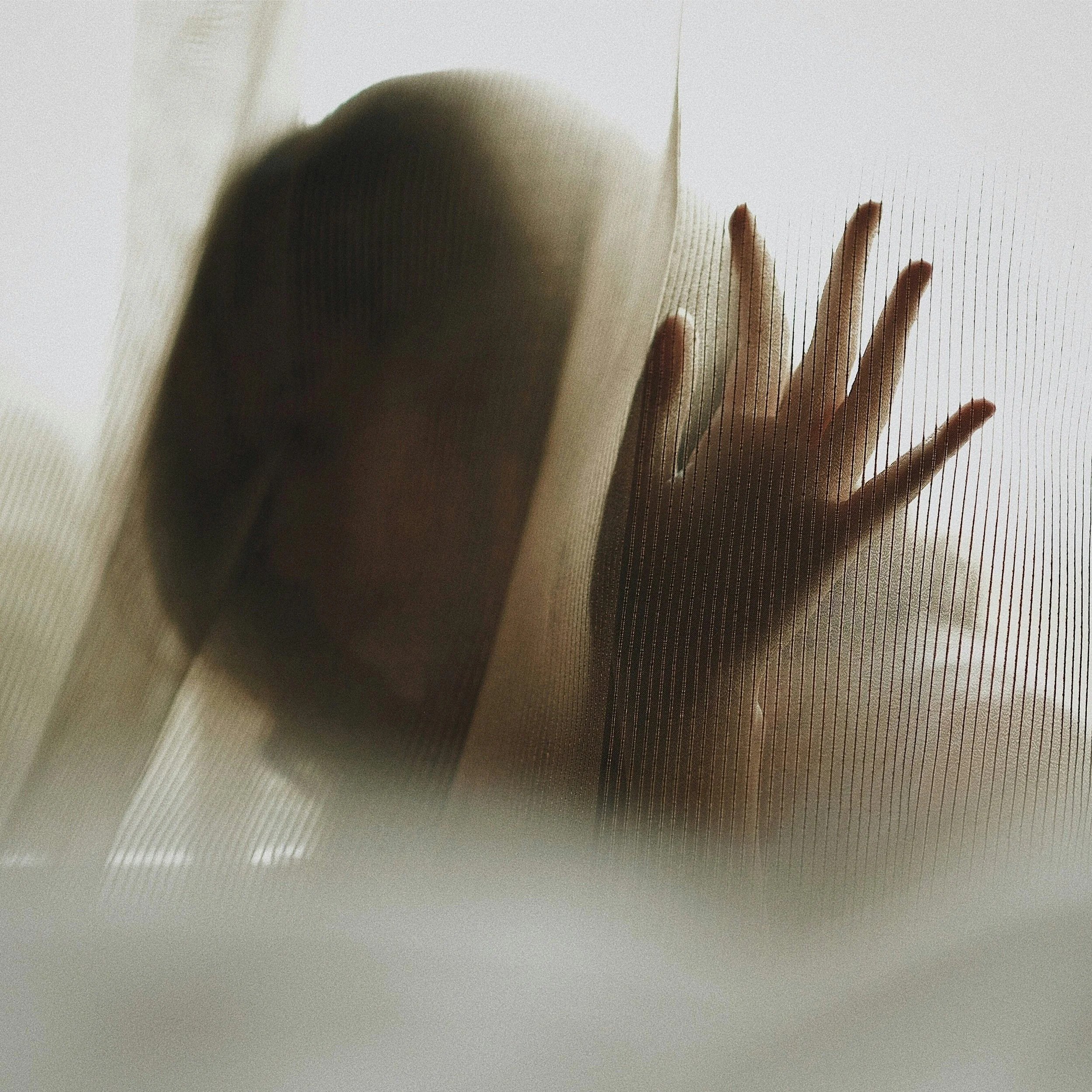
Silhouette of a person pressing a hand against a sheer curtain, creating a mysterious and contemplative image.
“The Eucharistic method is the most radical challenge to our stance before reality, because it offers not a symbol, but a Presence that wants us bursting with life.”
Simone Riva - We are tempted to think that Christ left us only a symbol of Himself. In reality, the life He gives is the most real thing there is.
We are tempted to think that Christ left us only a symbol of Himself. In reality, the life He gives is the most real thing there is.
“How can this man give us his flesh to eat?” (Jn 6:52). The question, heavy with skepticism, spreads among the Jews in response to Christ’s claim: “I am the living bread come down from heaven… and the bread that I will give is my flesh for the life of the world” (Jn 6:51). We cannot treat that reaction as irrelevant, as if it had nothing to do with us.
Benedict XVI addressed this objection in his homily at the Eucharistic Congress in Bari (May 29, 2005): faced with protest, Jesus could have softened His words—He could have said it was only a symbol, a shared feeling. But He did not. He held to the full realism of what He said, even when many disciples walked away (cf. Jn 6:66). He was willing to risk losing even the Apostles rather than dilute the concreteness of His claim.
Christ’s insistence is not about winning an argument. It is about our life: “Unless you eat the flesh of the Son of Man and drink his blood, you have no life in you” (Jn 6:53).
The I and the Scandal of the Real
Here the irreducibility of The I emerges. The human person cannot be satisfied by an idea, a symbol, or a moral reminder. The I demands reality—something that corresponds to its infinite need. This is the structural disproportion: nothing we can produce or imagine is enough.
The Eucharist answers this disproportion not by reducing the claim, but by intensifying it. The Mystery does not step back to meet our measure; it gives Itself as Presence. This is why Christ’s words provoke: they do not fit within our categories.
That life might break into us is what drives Jesus to accept even abandonment. The stakes are total because they engage our freedom. The Eucharistic method is the most radical challenge to our stance before reality: what He says happens—“This is my body… This is my blood.”
An Event in the Present
This is not a memory. It is An Event. It happens now.
Freed from being just something quoted or remembered, it imposes itself in the present tense, confronting us today just as it did then: “How can this man give us his flesh to eat?”
Deep down, we want it to be true. We want a definitive nourishment, certainty of a Presence like His. We want to recognize Him in everything—in joy, trial, pain, and sorrow. Yet something resists.
A “but” stands between our need and His Presence. It is the same objection: “How can…?”
From Doubt to Question
Years earlier, similar words came from a young woman in Nazareth: “How will this be, since I do not know a man?” (Lk 1:34).
In Mary, doubt becomes a question. Her “How?” is not a closure but an openness to Destiny. She is concerned only with how The Mystery will act. When God takes the initiative, He brings the whole of our humanity to the surface—without shortcuts.
This is the turning point: whether our “How?” becomes resistance or relationship.
Mercy as Method
For this reason, His action always takes the form of mercy—a gift that draws us into asking and receiving, every day, every moment. The Son continues to enter time, making Himself contemporaneous through fragile signs, through the words of sinners: “This is my body,” “I absolve you.”
This is Correspondence: not our reaching up to Him, but His Presence meeting us within the concreteness of life.
The Fear of Living
At the very moment Jesus gives this inexhaustible gift, He risks being left alone. That fact forces a question: what are we doing with the Eucharist?
We still remember the simple, unguarded gaze of children receiving their First Communion. There is a clarity there, a lack of defense. In contrast, we—adults—are often accustomed, hesitant, even afraid before such a claim.
In the end, the issue may be just this: not disbelief, but the fear of living. The fear that this Presence could truly take hold of our lives and fulfill them.
-
Contro la paura di vivere
Simone Riva
Siamo tentati di pensare che Cristo ci abbia lasciato solo un simbolo di Sé stesso. Al contrario, la vita che ci offre è la più reale di tutte
“Come può costui darci la sua carne da mangiare?” (Gv 6,52). La domanda carica di scetticismo che i Giudei fanno circolare tra di loro come reazione all’affermazione di Cristo: “Io sono il pane vivo, disceso dal cielo.
Se uno mangia di questo pane vivrà in eterno e il pane che io darò è la mia carne per la vita del mondo” (Gv 6,51), non può trovarci complici nel liquidarla come se nulla fosse, come se non riguardasse anche noi. Benedetto XVI affrontò questa obiezione dei giudei in un passaggio dell’omelia che tenne in occasione del congresso eucaristico di Bari il 29 maggio 2005: “Di fronte al mormorio di protesta, Gesù avrebbe potuto ripiegare su parole rassicuranti: ‘Amici, avrebbe potuto dire, non preoccupatevi! Ho parlato di carne, ma si tratta soltanto di un simbolo. Ciò che intendo è solo una profonda comunione di sentimenti’. Ma no, Gesù non ha fatto ricorso a simili addolcimenti. Ha mantenuto ferma la propria affermazione, tutto il suo realismo, anche di fronte alla defezione di molti suoi discepoli (cfr Gv 6,66). Anzi, Egli si è dimostrato disposto ad accettare persino la defezione degli stessi suoi apostoli, pur di non mutare in nulla la concretezza del suo discorso”.
L’insistenza di Cristo non è mossa dalla pretesa di uscire vincitore da una qualche dialettica teologica, ma dal desiderio di vederci vivere: “se non mangiate la carne del Figlio dell’uomo e non bevete il suo sangue, non avete in voi la vita” (Gv 6,53).
Che la vita scoppi in noi è la ragione che spinge Gesù persino a mettere nel conto di essere abbandonato dai suoi. La posta in gioco è decisiva, perché chiama in causa direttamente la nostra libertà. Il metodo eucaristico è la sfida più radicale alla nostra posizione di fronte al reale, realizzando nell’istante ciò che le parole affermano: “Questo è il mio corpo… Questo è il mio sangue”.
Un avvenimento che riaccade divincolandosi dal passato di citazioni e ricordi, scomodando il tempo verbale nella sua forma presente e sfidando coloro che, oggi come ieri, si domandano: “Come può costui darci la sua carne da mangiare?”.
In fondo vorremmo che fosse così, vorremmo poter avere un nutrimento definitivo, poter essere certi di una presenza come la Sua. Vorremmo saperlo riconoscere in ogni circostanza, dentro le pieghe di ogni fatto, gioia, prova, dolore, tristezza. Ma pare che qualcosa ce lo impedisca. Un enorme “però” si erge tra il nostro bisogno e la Sua carne. È il “però” pieno di dubbio che fu dei Giudei davanti alla pretesa di Cristo, e che diventa: “Come può…”.
Qualche anno prima, sulla bocca di una giovane fanciulla di Nazaret, erano già apparse parole simili: “Come avverrà questo, poiché non conosco uomo?” (Lc 1,34). Nel grembo di Maria ogni dubbio diviene domanda. Con quale intensità, con quale intima certezza avrà risposto all’angelo: “Come avverrà questo”? Curiosa solo di scoprire la strada del manifestarsi di Dio che, quando prende l’iniziativa, fa venire a galla tutta la nostra posizione umana, senza possibilità alcuna di intraprendere scorciatoie.
Per questo la Sua opera ha sempre anche la forma della misericordia, dono che ci coinvolge nel domandare e nel ricevere, ogni giorno, ogni istante, ogni volta che il Figlio chiede al tempo di aprire lo spiraglio alla contemporaneità, obbedendo alle Sue parole ripetute da poveri peccatori: “Questo è il mio corpo”, “Io ti assolvo”.
Pensare che nel momento in cui Gesù ha voluto fare agli uomini un dono così esuberante stava per rimanere da solo, costringe a domandarci che cosa ne stiamo facendo dell’Eucaristia. Abbiamo ancora nel cuore gli sguardi semplici, e tutti presi dall’essenziale, dei nostri ragazzi e ragazze che in queste settimane hanno ricevuto la prima Comunione, e che differenza rispetto a noi uomini e donne abituati, intimoriti, spaventati come allora da quella pretesa, da quella posizione netta, irremovibile, che ha come unico desiderio vederci scoppiare di vita. Non è che, in realtà, la questione sia proprio questa: la paura di vivere.
-
Contra el miedo a vivir
Simone Riva
Nos sentimos tentados a pensar que Cristo nos ha dejado solo un símbolo de sí mismo. Por el contrario, la vida que nos ofrece es la más real de todas
«¿Cómo puede este darnos a comer su carne?» (Jn 6,52). La pregunta, cargada de escepticismo, que los judíos se pasan entre ellos como reacción a la afirmación de Cristo: «Yo soy el pan vivo, descendido del cielo.
El que coma de este pan vivirá para siempre, y el pan que yo daré es mi carne para la vida del mundo» (Jn 6,51), no puede encontrarnos cómplices al descartarla como si nada, como si no nos concerniera también a nosotros. Benedicto XVI abordó esta objeción de los judíos en un pasaje de la homilía que pronunció con motivo del congreso eucarístico de Bari el 29 de mayo de 2005: «Ante el murmullo de protesta, Jesús podría haber recurrido a palabras tranquilizadoras: “Amigos”, podría haber dicho, “¡no os preocupéis! He hablado de carne, pero se trata solo de un símbolo. Lo que quiero decir es solo una profunda comunión de sentimientos». Pero no, Jesús no recurrió a tales suavizaciones. Mantuvo firme su afirmación, todo su realismo, incluso ante la deserción de muchos de sus discípulos (cf. Jn 6,66). Es más, se mostró dispuesto a aceptar incluso la deserción de sus propios apóstoles, con tal de no alterar en lo más mínimo la concreción de su discurso».
La insistencia de Cristo no está motivada por la pretensión de salir victorioso de alguna dialéctica teológica, sino por el deseo de vernos vivir: «Si no coméis la carne del Hijo del hombre y no bebéis su sangre, no tenéis vida en vosotros» (Jn 6,53).
Que la vida brote en nosotros es la razón que empuja a Jesús incluso a contar con ser abandonado por los suyos. Lo que está en juego es decisivo, porque pone directamente en juego nuestra libertad. El método eucarístico es el desafío más radical a nuestra postura frente a lo real, haciendo realidad en el instante lo que las palabras afirman: «Este es mi cuerpo… Esta es mi sangre».
Un acontecimiento que vuelve a suceder zafándose del pasado de citas y recuerdos, alterando el tiempo verbal en su forma presente y desafiando a quienes, hoy como ayer, se preguntan: «¿Cómo puede este darnos a comer su carne?».
En el fondo, nos gustaría que fuera así, nos gustaría poder tener un alimento definitivo, poder estar seguros de una presencia como la Suya. Nos gustaría saber reconocerlo en toda circunstancia, en los pliegues de cada hecho, alegría, prueba, dolor, tristeza. Pero parece que algo nos lo impide. Un enorme «pero» se interpone entre nuestra necesidad y su carne. Es el «pero» lleno de duda que tuvieron los judíos ante la pretensión de Cristo, y que se convierte en: «¿Cómo puede…».
Unos años antes, en boca de una joven de Nazaret, ya habían surgido palabras similares: «¿Cómo será esto, puesto que no conozco varón?» (Lc 1,34). En el seno de María, toda duda se convierte en pregunta. ¿Con qué intensidad, con qué íntima certeza habrá respondido al ángel: «¿Cómo será esto»? Curiosa solo por descubrir el camino de la manifestación de Dios que, cuando toma la iniciativa, saca a la luz toda nuestra condición humana, sin posibilidad alguna de tomar atajos.
Por eso, su obra tiene siempre también la forma de la misericordia, don que nos involucra en el pedir y en el recibir, cada día, cada instante, cada vez que el Hijo pide al tiempo que abra una rendija a la contemporaneidad, obedeciendo a sus palabras repetidas por pobres pecadores: «Este es mi cuerpo», «Yo te absuelvo».
Pensar que, en el momento en que Jesús quiso hacer a los hombres un don tan exuberante, estaba a punto de quedarse solo, nos obliga a preguntarnos qué estamos haciendo con la Eucaristía. Todavía tenemos en el corazón las miradas sencillas, y totalmente absortas en lo esencial, de nuestros niños y niñas que en estas semanas han recibido la primera Comunión, y qué diferencia con respecto a nosotros, hombres y mujeres acostumbrados, intimidados, asustados como entonces por esa exigencia, por esa postura clara, inquebrantable, cuyo único deseo es vernos rebosar de vida. No es que, en realidad, la cuestión sea precisamente esta: el miedo a vivir.
-
Contre la peur de vivre
Simone Riva
Nous sommes tentés de penser que le Christ ne nous a laissé qu’un symbole de lui-même. Au contraire, la vie qu’il nous offre est la plus réelle de toutes
« Comment cet homme pourrait-il nous donner sa chair à manger ? » (Jn 6, 52). Cette question empreinte de scepticisme que les Juifs se transmettent entre eux en réaction à l’affirmation du Christ : « Je suis le pain vivant, descendu du ciel.
Si quelqu’un mange de ce pain, il vivra éternellement, et le pain que je donnerai, c’est ma chair pour la vie du monde » (Jn 6, 51), ne peut nous permettre de la balayer d’un revers de main comme si de rien n’était, comme si elle ne nous concernait pas aussi. Benoît XVI a abordé cette objection des Juifs dans un passage de l’homélie qu’il a prononcée à l’occasion du congrès eucharistique de Bari, le 29 mai 2005 : « Face au murmure de protestation, Jésus aurait pu se rabattre sur des paroles rassurantes : “Mes amis, aurait-il pu dire, ne vous inquiétez pas ! J’ai parlé de chair, mais il ne s’agit que d’un symbole. Ce que j’entends, c’est seulement une profonde communion de sentiments ». Mais non, Jésus n’a pas eu recours à de telles atténuations. Il a maintenu fermement son affirmation, tout son réalisme, même face à la défection de nombre de ses disciples (cf. Jn 6, 66). Au contraire, il s’est montré prêt à accepter même la défection de ses propres apôtres, pour ne rien changer à la réalité de son discours.
L’insistance du Christ n’est pas motivée par la prétention de sortir vainqueur d’une quelconque dialectique théologique, mais par le désir de nous voir vivre : « Si vous ne mangez pas la chair du Fils de l’homme et ne buvez pas son sang, vous n’avez pas la vie en vous » (Jn 6, 53).
Que la vie jaillisse en nous, voilà la raison qui pousse Jésus à accepter même d’être abandonné par les siens. L’enjeu est décisif, car il met directement en cause notre liberté. La méthode eucharistique est le défi le plus radical lancé à notre position face au réel, réalisant à l’instant ce que les paroles affirment : « Ceci est mon corps… Ceci est mon sang ».
Un événement qui se répète en se dégageant du passé des citations et des souvenirs, en remettant en cause le temps verbal dans sa forme présente et en défiant ceux qui, aujourd’hui comme hier, se demandent : « Comment cet homme peut-il nous donner sa chair à manger ? ».
Au fond, nous aimerions qu’il en soit ainsi, nous aimerions pouvoir avoir une nourriture définitive, pouvoir être certains d’une présence comme la Sienne. Nous aimerions pouvoir Le reconnaître en toute circonstance, dans les replis de chaque événement, joie, épreuve, douleur, tristesse. Mais il semble que quelque chose nous en empêche. Un énorme « mais » s’érige entre notre besoin et Sa chair. C’est le « mais » plein de doute qui était celui des Juifs face à la prétention du Christ, et qui devient : « Comment peut-il… ».
Quelques années auparavant, des paroles similaires étaient déjà apparues sur les lèvres d’une jeune fille de Nazareth : « Comment cela se fera-t-il, puisque je ne connais pas d’homme ? » (Lc 1, 34). Dans le sein de Marie, tout doute se transforme en question. Avec quelle intensité, avec quelle certitude intime aura-t-elle répondu à l’ange : « Comment cela se fera-t-il ? » Curieuse seulement de découvrir le chemin de la manifestation de Dieu qui, lorsqu’il prend l’initiative, fait remonter à la surface toute notre condition humaine, sans aucune possibilité de prendre des raccourcis.
C’est pourquoi son œuvre revêt toujours aussi la forme de la miséricorde, don qui nous engage à demander et à recevoir, chaque jour, à chaque instant, chaque fois que le Fils demande au temps d’ouvrir une brèche vers le présent, en obéissant à ses paroles répétées par de pauvres pécheurs : « Ceci est mon corps », « Je t’absous ».
Penser qu’au moment où Jésus a voulu faire aux hommes un don si exubérant, il était sur le point de rester seul, nous oblige à nous demander ce que nous faisons de l’Eucharistie. Nous avons encore dans le cœur les regards simples, et tout entiers à l’essentiel, de nos garçons et de nos filles qui, ces dernières semaines, ont reçu la première communion, et quelle différence par rapport à nous, hommes et femmes habitués, intimidés, effrayés comme alors par cette exigence, par cette position nette, inébranlable, qui n’a d’autre désir que de nous voir déborder de vie. N’est-ce pas, en réalité, là le véritable problème : la peur de vivre ?