
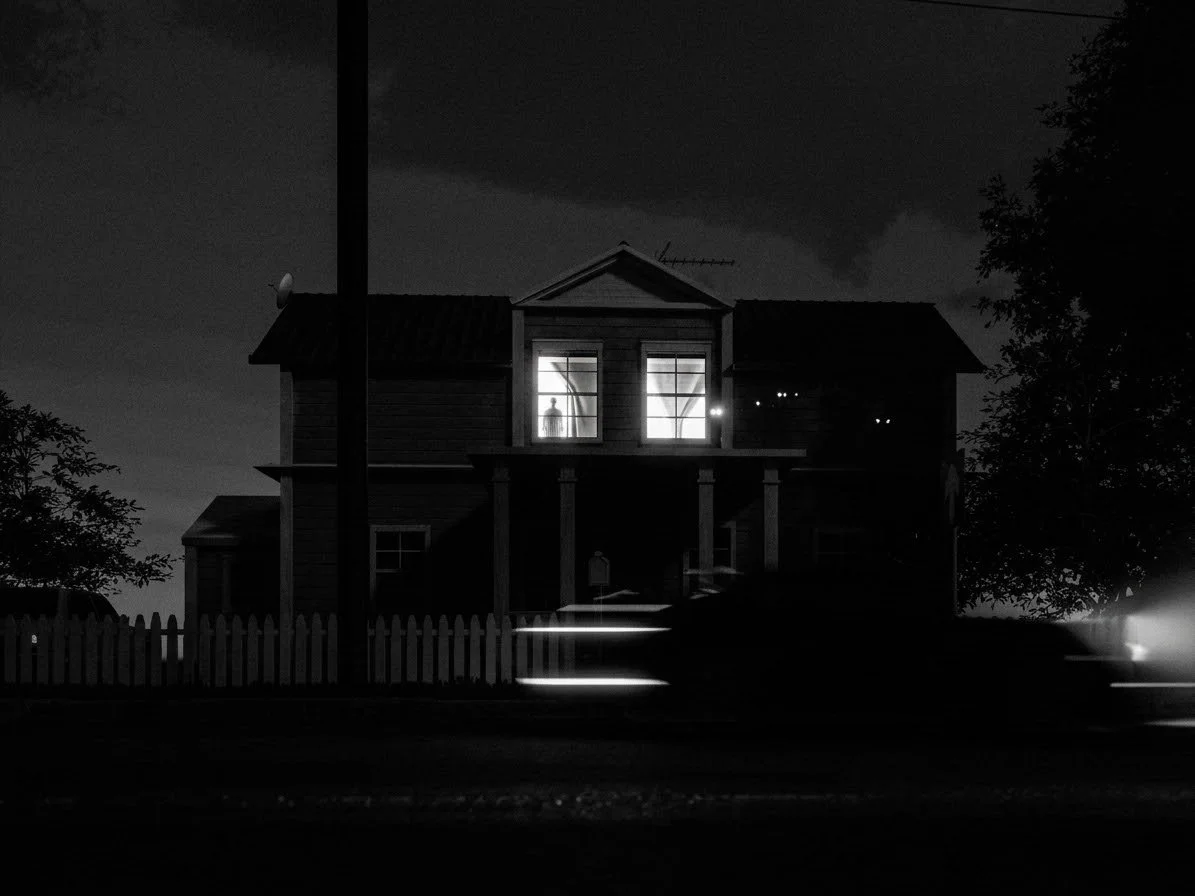
A young person does not encounter a collection of speeches, words, and instruction manuals: they encounter a life that is communicated—or they encounter nothing at all.Photo: Paris Bilal / Unsplash.
“Staying awake, then, doesn’t mean never sleeping. It means having enough oil when the night grows longer.”
Julián Carrón - All ten virgins fell asleep. Only the unexpected showed which ones had brought oil
Today’s liturgy reminds us that the end is near, and it invites us to be wise. The first reading describes wisdom almost as a person: she shows herself to those who love her and lets herself be found by those who seek her. More than that, she goes out looking for those who are worthy of her. “Whoever watches for her at dawn shall not be disappointed, for he shall find her sitting by his gate.” We don’t have to climb mountains. God’s wisdom goes ahead of us and waits for us on our doorstep. She is easy to recognize because she is radiant.
The Psalm gives voice to this desire: “My soul is thirsting for you, O Lord my God.” This is the first key to the parable in today’s Gospel: being wise doesn’t mean knowing a lot of things. It means desiring God, the One who can quench this thirst.
“The kingdom of heaven will be like ten virgins who took their lamps and went out to meet the bridegroom. […] Since the bridegroom was long delayed, they all became drowsy and fell asleep.” We all know what it means to wait a long time. Waiting for a child to come home, for a diagnosis, an answer, a job. Waiting for our prayers to be answered. At first, the waiting is full of hope. Then the hours go by, the night drags on, and weariness sets in.
The Gospel tells us something surprising: they all fell asleep. All of them, not just the foolish ones. Jesus doesn’t scold anyone for sleeping. He doesn’t ask us to be heroes who never close our eyes. He asks something else of us. As the Song of Songs puts it: “I was sleeping, but my heart was awake” (Sg 5:2). Anyone who has waited knows this, especially anyone who waits up at night for a child to come home. The body rests, but the heart is awake. Not even the chores of daily life snuff out this vigil. The one we are waiting for can come at any hour.
At midnight a cry goes up: “Behold, the bridegroom! Come out to meet him!” All ten virgins wake up and get their lamps ready. Until that moment they were all the same: same clothes, same waiting, same sleep.
Only now does the difference show, and it is something small and hidden: the oil. Five of them brought it along in flasks; the other five thought the lamp would be enough. From the outside, nothing looked different. In daylight, an unlit lamp and a lit one look alike. It is the unexpected that reveals the difference.
We can take part in the same gestures, but the difference comes out when the unexpected happens. In that moment, each of us puts our own waiting and our own wisdom to the test. It isn’t about never dozing off. It’s about something more personal, something each of us discovers when life takes us by surprise. The lamp is the outward expression of faith; the oil is the life that keeps it burning. We can take part in many things and still not be ready when the bridegroom arrives.
The foolish ones ask, “Give us some of your oil.” And the wise ones say no.
At first glance, it sounds like a selfish answer, almost un-Christian. But the parable isn’t about generosity. It’s about something that, by its very nature, cannot be handed over. The readiness of the wise virgins cannot make up for the foolish ones’ lack of it. This attitude of waiting can’t be bought or borrowed, and no one else can take our place. It is personal. Each of us is personally responsible for it.
We see this whenever something unexpected happens: each of us faces it with whatever wealth of experience we have built up. We saw it with COVID, and we keep seeing it every day. Suddenly we realize that we cannot recover what T. S. Eliot calls “the Life we have lost in living.” We notice it in the anguish that overwhelms us. The problem isn’t that others are ungenerous or unwilling to share their oil. Jesus shows us what it is really about. He concludes: “Therefore, stay awake, for you know neither the day nor the hour.” Staying awake, then, doesn’t mean never sleeping. It means having enough oil when the night grows longer. It means living the present in such a way that, whatever the hour, we can get up and go out to meet the bridegroom with joy, so great is our longing for Him. None of us can take this for granted.
We Christians today can find ourselves in the same situation as the Christians of Thessalonica, to whom Saint Paul writes: “We do not want you to be unaware, brothers, about those who have fallen asleep, so that you may not grieve like the rest, who have no hope.” He doesn’t say, “Do not grieve.” The sorrow remains. But it is a sorrow inhabited by hope, because Jesus died and rose, and God will bring with Him those who have fallen asleep.
Here is the word that ties the readings together: “asleep.” The virgins sleep; our loved ones sleep in the Lord. Sleep is not the last word. For those who sleep with their hearts awake, the last word is the midnight cry, the voice of the bridegroom who is coming. And Paul’s promise is what all our waiting reaches for: “Thus we shall always be with the Lord.”
Dear friends celebrating your wedding anniversary today: we hope you will support one another in this time of waiting.
Notes not reviewed by the author
Thirty-second Sunday in Ordinary Time – Year A - Notes from the homily of Fr. Julián Carrón
November 8, 2026 - (First Reading: Wis 6:12–16; Responsorial Psalm: Ps 63; Second Reading: 1 Thes 4:13–18; Gospel: Mt 25:1–13)
-
-
Dormidos, pero con el corazón despierto
Julián Carrón
La liturgia de hoy nos recuerda que el fin está cerca y nos invita a ser prudentes. La primera lectura describe la sabiduría casi como si fuera una persona: se revela a quienes la aman y se deja encontrar por quienes la buscan. Es más, sale al encuentro de quienes son dignos de ella. «Quien la espere al amanecer no quedará decepcionado, pues la encontrará sentada a la entrada de su casa». No hace falta escalar montañas. La sabiduría de Dios nos va por delante y nos espera en el umbral de nuestra casa. Es fácil reconocerla porque irradia luz.
El Salmo expresa este anhelo: «Mi alma tiene sed de ti, oh Señor, Dios mío». Esta es la primera clave de la parábola del Evangelio de hoy: ser sabio no significa saber muchas cosas. Significa desear a Dios, el Único que puede saciar esta sed.
«El reino de los cielos será como diez vírgenes que, tomando sus lámparas, salieron al encuentro del novio. […] Como el novio tardaba en llegar, todas se adormilaron y se quedaron dormidas». Todos sabemos lo que significa esperar mucho tiempo. Esperar a que un hijo vuelva a casa, un diagnóstico, una respuesta, un trabajo. Esperar a que nuestras oraciones sean escuchadas. Al principio, la espera está llena de esperanza. Luego pasan las horas, la noche se hace eterna y el cansancio se apodera de nosotros.
El Evangelio nos cuenta algo sorprendente: todas se quedaron dormidas. Todas ellas, no solo las insensatas. Jesús no regaña a nadie por dormirse. No nos pide que seamos héroes que nunca cierran los ojos. Nos pide otra cosa. Como dice el Cantar de los Cantares: «Yo dormía, pero mi corazón estaba despierto» (Ct 5, 2). Cualquiera que haya esperado lo sabe, sobre todo quien se queda despierto por la noche esperando a que vuelva a casa un hijo. El cuerpo descansa, pero el corazón está despierto. Ni siquiera las tareas de la vida cotidiana apagan esta vigilia. Aquel a quien esperamos puede llegar a cualquier hora.
A medianoche se oye un grito: «¡Mirad, el novio! ¡Salid a su encuentro!». Las diez vírgenes se despiertan y preparan sus lámparas. Hasta ese momento todas eran iguales: misma ropa, misma espera, mismo sueño.
Solo ahora se nota la diferencia, y es algo pequeño y oculto: el aceite. Cinco de ellas lo trajeron en frascos; las otras cinco pensaron que la lámpara bastaría. Desde fuera, nada parecía diferente. A la luz del día, una lámpara apagada y una encendida se ven igual. Es lo inesperado lo que revela la diferencia.
Podemos participar en los mismos gestos, pero la diferencia sale a la luz cuando ocurre lo inesperado. En ese momento, cada uno de nosotros pone a prueba su propia espera y su propia sabiduría. No se trata de no quedarse nunca dormido. Se trata de algo más personal, algo que cada uno de nosotros descubre cuando la vida nos pilla por sorpresa. La lámpara es la expresión exterior de la fe; el aceite es la vida que la mantiene encendida. Podemos participar en muchas cosas y, aun así, no estar preparados cuando llegue el novio.
Las insensatas piden: «Dadnos un poco de vuestro aceite». Y las prudentes se niegan.
A primera vista, parece una respuesta egoísta, casi poco cristiana. Pero la parábola no trata de la generosidad. Trata de algo que, por su propia naturaleza, no se puede entregar. La preparación de las vírgenes prudentes no puede compensar la falta de preparación de las insensatas. Esta actitud de espera no se puede comprar ni pedir prestada, y nadie más puede ocupar nuestro lugar. Es algo personal. Cada uno de nosotros es personalmente responsable de ello.
Lo vemos cada vez que ocurre algo inesperado: cada uno de nosotros lo afronta con la riqueza de experiencia que ha acumulado. Lo vimos con la COVID, y seguimos viéndolo cada día. De repente nos damos cuenta de que no podemos recuperar lo que T. S. Eliot llama «la vida que hemos perdido al vivir». Lo percibimos en la angustia que nos abruma. El problema no es que los demás sean poco generosos o no estén dispuestos a compartir su aceite. Jesús nos muestra de qué se trata realmente. Concluye: «Por eso, estad despiertos, pues no sabéis ni el día ni la hora». Estar despiertos, pues, no significa no dormir nunca. Significa tener suficiente aceite cuando la noche se alarga. Significa vivir el presente de tal manera que, sea cual sea la hora, podamos levantarnos y salir al encuentro del novio con alegría, tan grande es nuestro anhelo por Él. Ninguno de nosotros puede dar esto por sentado.
Nosotros, los cristianos de hoy, podemos encontrarnos en la misma situación que los cristianos de Tesalónica, a quienes san Pablo escribe: «No queremos, hermanos, que ignoréis lo que ocurre con los que han fallecido, para que no os aflijáis como los demás, que no tienen esperanza». No dice: «No os aflijáis». El dolor permanece. Pero es un dolor habitado por la esperanza, porque Jesús murió y resucitó, y Dios traerá consigo a los que han fallecido.
He aquí la palabra que une las lecturas: «fallecido». Las vírgenes duermen; nuestros seres queridos duermen en el Señor. El sueño no es la última palabra. Para quienes duermen con el corazón despierto, la última palabra es el grito de medianoche, la voz del novio que viene. Y la promesa de Pablo es a lo que aspira toda nuestra espera: «Así estaremos siempre con el Señor».
Queridos amigos que hoy celebráis vuestro aniversario de boda: esperamos que os apoyéis mutuamente en este tiempo de espera.
Notas no revisadas por el autor
Trigésimo segundo domingo del tiempo ordinario – Año A
Notas de la homilía del P. Julián Carrón
8 de noviembre de 2026
(Primera lectura: Sab 6, 12-16; Salmo responsorial: Sal 63; Segunda lectura: 1 Tes 4, 13-18; Evangelio: Mt 25, 1-13)
-
Endormis, mais le cœur éveillé
Julián Carrón
La liturgie d’aujourd’hui nous rappelle que la fin est proche et nous invite à faire preuve de sagesse. La première lecture décrit la sagesse presque comme une personne : elle se révèle à ceux qui l’aiment et se laisse trouver par ceux qui la cherchent. Plus encore, elle part à la recherche de ceux qui sont dignes d’elle. « Celui qui la guette à l’aube ne sera pas déçu, car il la trouvera assise à sa porte. » Nous n’avons pas besoin de gravir des montagnes. La sagesse de Dieu nous précède et nous attend à notre seuil. Elle est facile à reconnaître car elle rayonne.
Le Psaume exprime ce désir : « Mon âme a soif de toi, ô Seigneur mon Dieu. » C’est là la première clé de la parabole de l’Évangile d’aujourd’hui : être sage ne signifie pas savoir beaucoup de choses. Cela signifie désirer Dieu, Celui qui peut étancher cette soif.
« Le royaume des cieux sera semblable à dix vierges qui, ayant pris leurs lampes, sont sorties à la rencontre de l’époux. […] Comme l’époux tardait à venir, elles ont toutes été prises de somnolence et se sont endormies. » Nous savons tous ce que signifie attendre longtemps. Attendre qu’un enfant rentre à la maison, un diagnostic, une réponse, un emploi. Attendre que nos prières soient exaucées. Au début, l’attente est pleine d’espoir. Puis les heures passent, la nuit s’éternise, et la lassitude s’installe.
L’Évangile nous révèle quelque chose de surprenant : elles se sont toutes endormies. Toutes, pas seulement les folles. Jésus ne réprimande personne pour s’être endormi. Il ne nous demande pas d’être des héros qui ne ferment jamais les yeux. Il nous demande autre chose. Comme le dit le Cantique des Cantiques : « Je dormais, mais mon cœur veillait » (Ct 5, 2). Quiconque a déjà attendu le sait, surtout celui ou celle qui veille la nuit pour voir rentrer un enfant. Le corps se repose, mais le cœur veille. Même les tâches de la vie quotidienne n’éteignent pas cette veille. Celui que nous attendons peut arriver à n’importe quelle heure.
À minuit, un cri retentit : « Voici l’époux ! Sortez à sa rencontre ! » Les dix vierges se réveillent et préparent leurs lampes. Jusqu’à ce moment-là, elles étaient toutes identiques : mêmes vêtements, même attente, même sommeil.
Ce n’est qu’à ce moment-là que la différence apparaît, et c’est quelque chose de petit et de caché : l’huile. Cinq d’entre elles en avaient emporté dans des flacons ; les cinq autres pensaient que la lampe suffirait. De l’extérieur, rien ne semblait différent. À la lumière du jour, une lampe éteinte et une lampe allumée se ressemblent. C’est l’imprévu qui révèle la différence.
Nous pouvons accomplir les mêmes gestes, mais la différence apparaît lorsque l’imprévu survient. À ce moment-là, chacun de nous met à l’épreuve sa propre attente et sa propre sagesse. Il ne s’agit pas de ne jamais s’assoupir. Il s’agit de quelque chose de plus personnel, quelque chose que chacun de nous découvre lorsque la vie nous prend par surprise. La lampe est l’expression extérieure de la foi ; l’huile, c’est la vie qui la maintient allumée. Nous pouvons prendre part à bien des choses et ne pas être prêts pour autant lorsque l’époux arrive.
Les insensées demandent : « Donnez-nous un peu de votre huile. » Et les sages refusent.
À première vue, cela ressemble à une réponse égoïste, presque non chrétienne. Mais la parabole ne traite pas de générosité. Elle traite de quelque chose qui, de par sa nature même, ne peut être cédé. La préparation des vierges sages ne peut compenser le manque de préparation des vierges folles. Cette attitude d’attente ne s’achète ni ne s’emprunte, et personne d’autre ne peut prendre notre place. C’est personnel. Chacun de nous en est personnellement responsable.
Nous le constatons chaque fois qu’un événement inattendu survient : chacun d’entre nous y fait face avec le bagage d’expérience qu’il a accumulé. Nous l’avons vu avec la COVID, et nous continuons à le constater chaque jour. Soudain, nous réalisons que nous ne pouvons pas récupérer ce que T. S. Eliot appelle « la vie que nous avons perdue en vivant ». Nous le remarquons dans l’angoisse qui nous submerge. Le problème n’est pas que les autres soient avares ou peu disposés à partager leur huile. Jésus nous montre de quoi il s’agit réellement. Il conclut : « Veillez donc, car vous ne connaissez ni le jour ni l’heure. » Veiller ne signifie donc pas ne jamais dormir. Cela signifie avoir suffisamment d’huile lorsque la nuit s’allonge. Cela signifie vivre le présent de telle sorte que, quelle que soit l’heure, nous puissions nous lever et sortir à la rencontre de l’Époux avec joie, tant notre désir de Le voir est grand. Aucun d’entre nous ne peut tenir cela pour acquis.
Nous, chrétiens d’aujourd’hui, pouvons nous retrouver dans la même situation que les chrétiens de Thessalonique, à qui saint Paul écrit : « Nous ne voulons pas, frères, que vous soyez dans l’ignorance au sujet de ceux qui se sont endormis, afin que vous ne vous affligiez pas comme les autres, qui n’ont pas d’espérance. » Il ne dit pas : « Ne vous affligez pas. » La douleur demeure. Mais c’est une douleur habitée par l’espérance, car Jésus est mort et ressuscité, et Dieu ramènera avec Lui ceux qui se sont endormis.
Voici le mot qui relie les lectures entre elles : « endormis ». Les vierges dorment ; nos proches dorment dans le Seigneur. Le sommeil n’est pas le dernier mot. Pour ceux qui dorment le cœur éveillé, le dernier mot est le cri de minuit, la voix de l’époux qui vient. Et la promesse de Paul est le but vers lequel tend toute notre attente : « Ainsi, nous serons toujours avec le Seigneur. »
Chers amis qui célébrez aujourd’hui votre anniversaire de mariage : nous espérons que vous vous soutiendrez mutuellement en cette période d’attente.
Notes non relues par l’auteur
Trente-deuxième dimanche du temps ordinaire – Année A
Notes tirées de l’homélie du P. Julián Carrón
8 novembre 2026
(Première lecture : Sg 6, 12-16 ; Psaume responsorial : Ps 63 ; Deuxième lecture : 1 Th 4, 13-18 ; Évangile : Mt 25, 1-13)
