How often midnight knocks at the door of our ordinary days!” — Simone Riva
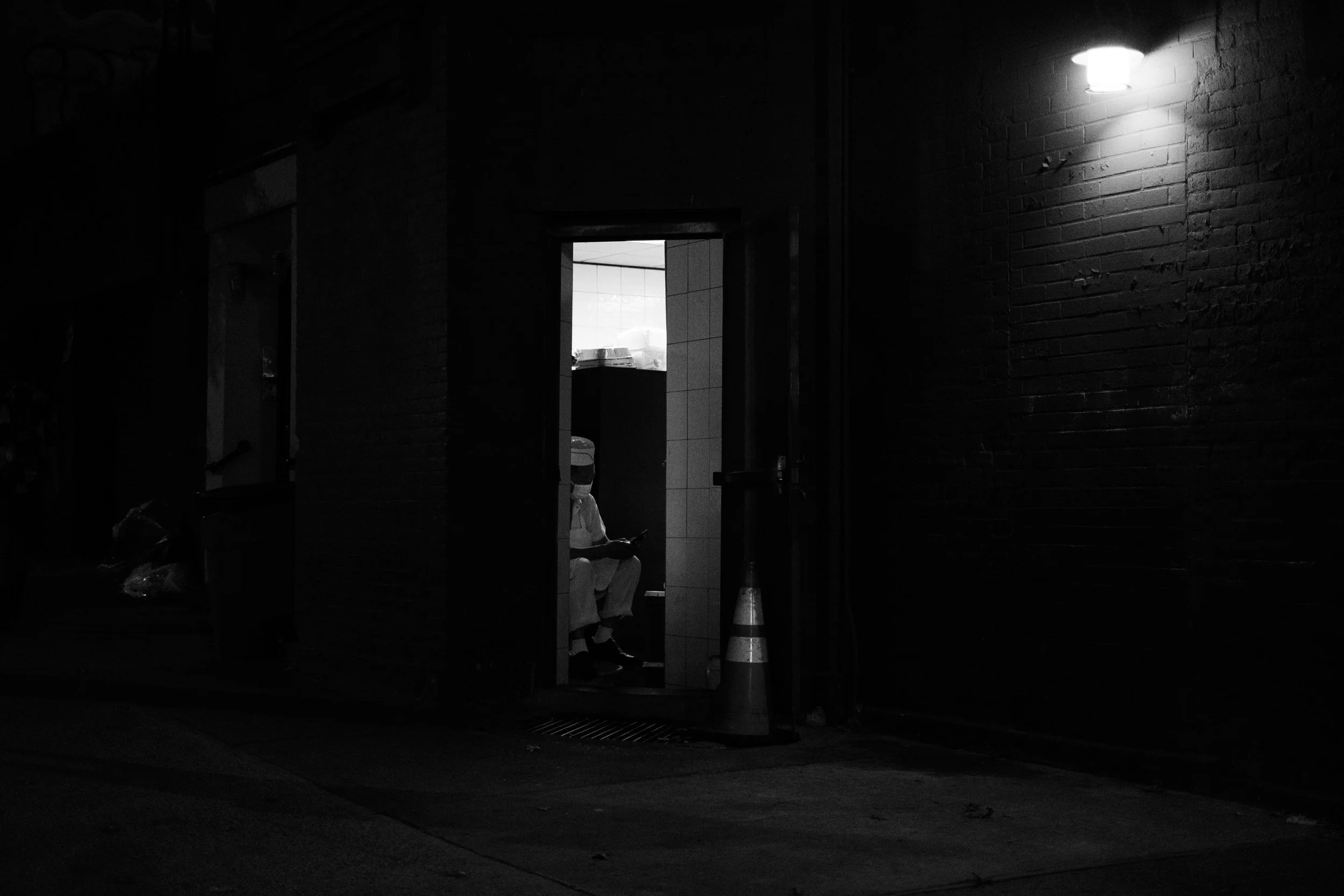
Midnight at the Kitchen Door
“Midnight is the unforeseen hour, when no one expects anything new anymore. Midnight is the unexpected instant, shot through with a rush of newness that people no longer dare to hope for.”
Simone Riva - At midnight, the cry “Behold, the bridegroom!” catches everyone off guard. It is the moment of encounter, and it calls us to be ready, even when life is least predictable.
So much shouting in our streets and town squares. So much shouting in the newspapers, on social media, in the group chats on our phones. So much shouting at home, even in the evening, when everything asks for silence and peace. So much shouting in our relationships, too—polite, friendly shouting, but shouting all the same, and it leaves each of us right where we are. The world is always busy shouting, and busy making us shout, so that the voice waiting for midnight will be silenced.
Midnight is the unforeseen hour, when no one expects anything new anymore. Midnight is the unexpected instant, shot through with a rush of newness that people no longer dare to hope for. Midnight is new life, given back to us at last, starting over after a morning that seemed bound to bear the seal of our decline, to borrow an image from Alda Merini.1 Midnight is the instant when the taste for living finally reaches someone. Midnight is victory over the stubborn distraction with which we face everything. Blessed midnight, broken by a cry charged with a Presence: “Behold, the bridegroom! Come out to meet him!” (Matthew 25:6).2 It is the cry everyone has always longed for and wishes they could hear. Yet it leads to a dizzying place, one that many, in the end, would rather abandon.
Midnight: the hour of the daring, the hour of the Bridegroom, the hour of His arrival, the hour for everyone—the ready and the unready, the attracted and the distracted, the loyal and the disloyal, the wakeful and the drowsy, the wise and the foolish. The Bridegroom never fails to come. A voice announces Him, and the instant brims with gladness. How often midnight knocks at the door of our ordinary days! It has the vivid blue eyes of a virgin who, wholly taken up with the Bridegroom, tells how her life has become a cry: “Here He is! Go out to meet Him!” It has the tear-streaked face of that woman in the hospital who has no strength left to fight but still has the strength to pray. It has the young hands of a man who, in his yes each day, repeats the words by which the Bridegroom keeps on coming.
Midnight reaches us like a day of freedom, when your own evil can no longer steal the last word. It takes center stage the moment that sin, unconfessed until now, is confessed and finally torn down. It throws open the heart of anyone who takes on the venture of verifying what they are living. Welcome, midnight, time of the unexpected, of the cry we no longer hoped for: the Bridegroom is here. We don’t have to give in to the worldly flattery of those who want us to celebrate whenever our own side wins—always lined up, always angry, always against someone.
The voice waiting for midnight is free and glad. We don’t have to be crushed by the way we keep turning our heads this way and that, never meeting a gaze that holds us riveted, like people in love. The voice that rises at midnight is certain. It announces one thing, always the same. And no ethical argument settles the matter: all ten were virgins. What sets them apart lies elsewhere. It is like the colors of this season, when everything is fading yet will not give up one last whisper, one final, urgent call: even in falling there is the grace of a new step. Not even the trees are meant to stay bare. Everything is full of expectation that, in some midnight of our own, the cry announcing what every heart desires will always come and always surprise us: the Bridegroom is here. There is still room for us to go out to meet Him—limping, perhaps, but never changing course. Blessed midnight.
Notes
1. Adapted from Alda Merini, La Terra Santa (Milan: Scheiwiller, 1984), poem XXXVI, which opens “Ancora un mattino senza colore” and closes: “questo dolce mattino / porterà in fronte il sigillo / delle mie decadenze…” The author recasts the poet’s “my” as “our.”
2. Matthew 25:6, New American Bible, Revised Edition, as proclaimed in the Lectionary for Mass (no. 154) on the Thirty-second Sunday in Ordinary Time, Year A.
-
La vita ricomincia a mezzanotte.
Quante urla nelle nostre strade e nelle piazze. Quante urla sui giornali, sui social media, nelle chat di gruppo sui nostri telefoni. Quante urla a casa, anche la sera, quando tutto invita al silenzio e alla pace. Quante urla anche nelle nostre relazioni: urla educate, amichevoli, ma pur sempre urla, che lasciano ciascuno di noi esattamente dove si trova. Il mondo è sempre indaffarato a gridare, e indaffarato a farci gridare, affinché la voce che attende la mezzanotte venga messa a tacere.
Mezzanotte è l’ora imprevista, quando nessuno si aspetta più nulla di nuovo. Mezzanotte è l’istante inaspettato, attraversato da un’ondata di novità che le persone non osano più sperare. Mezzanotte è nuova vita, che ci viene finalmente restituita, ricominciare da capo dopo una mattina che sembrava destinata a portare il sigillo del nostro declino, per prendere in prestito un’immagine da Alda Merini.1 Mezzanotte è l’istante in cui il gusto di vivere raggiunge finalmente qualcuno. Mezzanotte è la vittoria sulla testarda distrazione con cui affrontiamo ogni cosa. Beata mezzanotte, squarciata da un grido carico di una Presenza: «Ecco, lo sposo! Uscite ad andargli incontro!» (Matteo 25,6).2 È il grido che tutti hanno sempre desiderato e che vorrebbero poter udire. Eppure conduce in un luogo vertiginoso, che molti, alla fine, preferirebbero abbandonare.
Mezzanotte: l’ora degli audaci, l’ora dello Sposo, l’ora del Suo arrivo, l’ora per tutti — i pronti e gli impreparati, gli attratti e i distratti, i fedeli e gli infedeli, i vegli e gli assonnati, i saggi e gli stolti. Lo Sposo non manca mai di venire. Una voce Lo annuncia, e l’istante trabocca di gioia. Quante volte la mezzanotte bussa alla porta delle nostre giornate ordinarie! Ha gli occhi blu e vivaci di una vergine che, interamente assorta nello Sposo, racconta come la sua vita sia diventata un grido: «Eccolo! Uscite ad andargli incontro!». Ha il volto rigato di lacrime di quella donna in ospedale che non ha più forze per lottare, ma ha ancora la forza di pregare. Ha le mani giovani di un uomo che, ogni giorno, ripete con lo sguardo le parole grazie alle quali lo Sposo continua a venire.
La mezzanotte ci raggiunge come un giorno di libertà, in cui il proprio male non può più rubare l’ultima parola. Mette in primo piano il momento in cui il peccato, finora non confessato, viene confessato e finalmente abbattuto. Spalanca il cuore di chiunque intraprenda l’avventura di verificare ciò che sta vivendo. Benvenuta, mezzanotte, tempo dell’imprevisto, del grido che non speravamo più di sentire: lo Sposo è qui. Non dobbiamo cedere alle lusinghe mondane di chi vuole che festeggiamo ogni volta che vince la nostra parte — sempre schierati, sempre arrabbiati, sempre contro qualcuno.
La voce che attende la mezzanotte è libera e gioiosa. Non dobbiamo lasciarci schiacciare dal modo in cui continuiamo a voltare la testa da una parte e dall’altra, senza mai incontrare uno sguardo che ci tenga incollati, come chi è innamorato. La voce che si leva a mezzanotte è certa. Annuncia una sola cosa, sempre la stessa. E nessun argomento etico risolve la questione: tutte e dieci erano vergini. Ciò che le distingue sta altrove. È come i colori di questa stagione, quando tutto sta sbiadendo ma non rinuncia a un ultimo sussurro, a un richiamo finale e urgente: anche nel cadere c’è la grazia di un nuovo passo. Nemmeno gli alberi sono destinati a rimanere spogli. Tutto è pieno di aspettativa che, in una nostra mezzanotte, il grido che annuncia ciò che ogni cuore desidera arriverà sempre e ci sorprenderà sempre: lo Sposo è qui. C’è ancora spazio per noi per uscire ad andargli incontro — zoppicando, forse, ma senza mai cambiare rotta. Beata mezzanotte.
Note
1. Adattato da Alda Merini, La Terra Santa (Milano: Scheiwiller, 1984), poesia XXXVI, che inizia con «Ancora un mattino senza colore» e si conclude con: «questo dolce mattino / porterà in fronte il sigillo / delle mie decadenze…». L’autrice sostituisce il «mio» della poetessa con «nostro».
2. Matteo 25,6, New American Bible, edizione riveduta, come proclamato nel Lezionario per la Messa (n. 154) nella trentaduesima domenica del tempo ordinario, anno A.
-
La vida vuelve a empezar a medianoche.
Tantos gritos en nuestras calles y plazas. Tantos gritos en los periódicos, en las redes sociales, en los chats de grupo de nuestros móviles. Tantos gritos en casa, incluso por la noche, cuando todo pide silencio y paz. Tantos gritos también en nuestras relaciones: gritos educados, amistosos, pero gritos al fin y al cabo, y que nos dejan a cada uno justo donde estamos. El mundo siempre está ocupado gritando y ocupado haciéndonos gritar, para que la voz que espera la medianoche quede silenciada.
La medianoche es la hora imprevista, cuando ya nadie espera nada nuevo. La medianoche es el instante inesperado, atravesado por una oleada de novedad que la gente ya no se atreve a esperar. La medianoche es vida nueva, que por fin se nos devuelve, un nuevo comienzo tras una mañana que parecía destinada a llevar el sello de nuestro declive, por tomar prestada una imagen de Alda Merini.1 La medianoche es el instante en que el gusto por la vida llega por fin a alguien. La medianoche es la victoria sobre la obstinada distracción con la que afrontamos todo. Bendita medianoche, interrumpida por un grito cargado de una Presencia: «¡He aquí al novio! ¡Salid a su encuentro!» (Mateo 25, 6).2 Es el grito que todos siempre han anhelado y desearían poder oír. Sin embargo, conduce a un lugar vertiginoso, uno que muchos, al final, preferirían abandonar.
La medianoche: la hora de los audaces, la hora del Esposo, la hora de su llegada, la hora para todos —los preparados y los desprevenidos, los atraídos y los distraídos, los fieles y los infieles, los despiertos y los somnolientos, los sabios y los necios—. El Esposo nunca deja de venir. Una voz lo anuncia, y el instante se desborda de alegría. ¡Cuántas veces la medianoche llama a la puerta de nuestros días cotidianos! Tiene los vívidos ojos azules de una virgen que, totalmente absorta en el Esposo, cuenta cómo su vida se ha convertido en un grito: «¡Ahí está! ¡Salid a su encuentro!». Tiene el rostro bañado en lágrimas de aquella mujer en el hospital que ya no tiene fuerzas para luchar, pero aún tiene fuerzas para rezar. Tiene las jóvenes manos de un hombre que, cada día con su «sí», repite las palabras con las que el Esposo sigue viniendo.
La medianoche nos llega como un día de libertad, en el que tu propia maldad ya no puede llevarse la última palabra. Ocupa el centro del escenario en el momento en que el pecado, no confesado hasta ahora, se confiesa y finalmente se derriba. Abre de par en par el corazón de cualquiera que se atreva a verificar lo que está viviendo. Bienvenida, medianoche, hora de lo inesperado, del grito que ya no esperábamos: el Esposo está aquí. No tenemos que ceder a la adulación mundana de quienes quieren que celebremos cada vez que gana nuestro bando —siempre alineados, siempre enfadados, siempre en contra de alguien.
La voz que espera la medianoche es libre y alegre. No tenemos que sentirnos abrumados por la forma en que no dejamos de girar la cabeza de un lado a otro, sin encontrar nunca una mirada que nos mantenga clavados, como los enamorados. La voz que se alza a medianoche es segura. Anuncia una sola cosa, siempre la misma. Y ningún argumento ético zanja la cuestión: las diez eran vírgenes. Lo que las distingue radica en otra parte. Es como los colores de esta estación, cuando todo se desvanece pero no renuncia a un último susurro, a una llamada final y urgente: incluso en la caída hay la gracia de un nuevo paso. Ni siquiera los árboles están destinados a permanecer desnudos. Todo está lleno de la esperanza de que, en alguna medianoche propia, el grito que anuncia lo que todo corazón desea siempre llegará y siempre nos sorprenderá: el Esposo está aquí. Todavía hay tiempo para que salgamos a su encuentro —cojeando, tal vez, pero sin cambiar nunca de rumbo—. Bendita medianoche.
Notas
1. Adaptado de Alda Merini, La Terra Santa (Milán: Scheiwiller, 1984), poema XXXVI, que comienza «Ancora un mattino senza colore» y termina: «questo dolce mattino / porterà in fronte il sigillo / delle mie decadenze…». El autor sustituye el «mi» de la poeta por «nuestro».
2. Mateo 25, 6, Nueva Biblia Americana, Edición Revisada, tal y como se proclama en el Leccionario para la Misa (n.º 154) del trigésimo segundo domingo del tiempo ordinario, año A.
-
La vie recommence à minuit.
Tant de cris dans nos rues et sur nos places. Tant de cris dans les journaux, sur les réseaux sociaux, dans les discussions de groupe sur nos téléphones. Tant de cris à la maison, même le soir, alors que tout invite au silence et à la paix. Tant de cris aussi dans nos relations — des cris polis, amicaux, mais des cris tout de même, qui nous laissent chacun là où nous sommes. Le monde s’affaire sans cesse à crier, et à nous faire crier, afin que la voix qui attend minuit soit réduite au silence.
Minuit est l’heure imprévue, où personne n’attend plus rien de nouveau. Minuit est l’instant inattendu, traversé par un élan de nouveauté que les gens n’osent plus espérer. Minuit, c’est une vie nouvelle, qui nous est enfin rendue, un nouveau départ après un matin qui semblait voué à porter le sceau de notre déclin, pour reprendre une image d’Alda Merini.1 Minuit est l’instant où le goût de vivre atteint enfin quelqu’un. Minuit est la victoire sur la distraction obstinée avec laquelle nous affrontons tout. Minuit bénie, rompue par un cri chargé d’une Présence : « Voici l’époux ! Sortez à sa rencontre ! » (Matthieu 25, 6).2 C’est le cri que chacun a toujours désiré et qu’il aimerait pouvoir entendre. Pourtant, il mène vers un lieu vertigineux, que beaucoup, en fin de compte, préféreraient abandonner.
Minuit : l’heure de l’audace, l’heure de l’Époux, l’heure de son arrivée, l’heure pour tous — les prêts et les indécis, les attirés et les distraits, les fidèles et les infidèles, les éveillés et les somnolents, les sages et les insensés. L’Époux ne manque jamais de venir. Une voix l’annonce, et l’instant déborde de joie. Combien de fois minuit frappe-t-il à la porte de nos jours ordinaires ! Elle a les yeux d’un bleu vif d’une vierge qui, entièrement absorbée par l’Époux, raconte comment sa vie est devenue un cri : « Le voici ! Allez à sa rencontre ! » Elle a le visage baigné de larmes de cette femme à l’hôpital qui n’a plus la force de se battre mais qui a encore la force de prier. Elle a les jeunes mains d’un homme qui, chaque jour dans son « oui », répète les paroles par lesquelles l’Époux ne cesse de venir.
Minuit nous parvient comme un jour de liberté, où notre propre mal ne peut plus avoir le dernier mot. Elle met en avant le moment où le péché, non confessé jusqu’à présent, est confessé et enfin abattu. Elle ouvre grand le cœur de quiconque ose vérifier ce qu’il vit. Bienvenue, minuit, temps de l’inattendu, du cri que nous n’espérions plus entendre : l’Époux est là. Nous n’avons pas à céder à la flatterie mondaine de ceux qui veulent que nous fassions la fête chaque fois que notre camp l’emporte — toujours rangés en rangs, toujours en colère, toujours contre quelqu’un.
La voix qui attend minuit est libre et joyeuse. Nous n’avons pas à nous laisser accabler par cette façon de tourner sans cesse la tête dans tous les sens, sans jamais croiser un regard qui nous captive, comme chez les amoureux. La voix qui s’élève à minuit est certaine. Elle annonce une seule chose, toujours la même. Et aucun argument éthique ne tranche la question : toutes les dix étaient vierges. Ce qui les distingue réside ailleurs. C’est comme les couleurs de cette saison, où tout s’estompe sans pour autant renoncer à un dernier murmure, à un dernier appel pressant : même dans la chute, il y a la grâce d’un nouveau pas. Même les arbres ne sont pas destinés à rester nus. Tout est plein d’espérance : qu’à un de nos propres minuits, le cri annonçant ce que chaque cœur désire viendra toujours et nous surprendra toujours : « L’Époux est là. » Il nous reste encore la possibilité de sortir à sa rencontre — en boitant, peut-être, mais sans jamais changer de cap. Heureuse nuit.
Notes
1. Adapté d’Alda Merini, La Terra Santa (Milan : Scheiwiller, 1984), poème XXXVI, qui s’ouvre sur « Ancora un mattino senza colore » et se termine ainsi : « questo dolce mattino / porterà in fronte il sigillo / delle mie decadenze… » L’auteur remplace le « mon » de la poétesse par « notre ».
2. Matthieu 25, 6, New American Bible, édition révisée, tel que proclamé dans le Lectionnaire de la messe (n° 154) pour le trente-deuxième dimanche du temps ordinaire, année A.