Authority Embraces Life
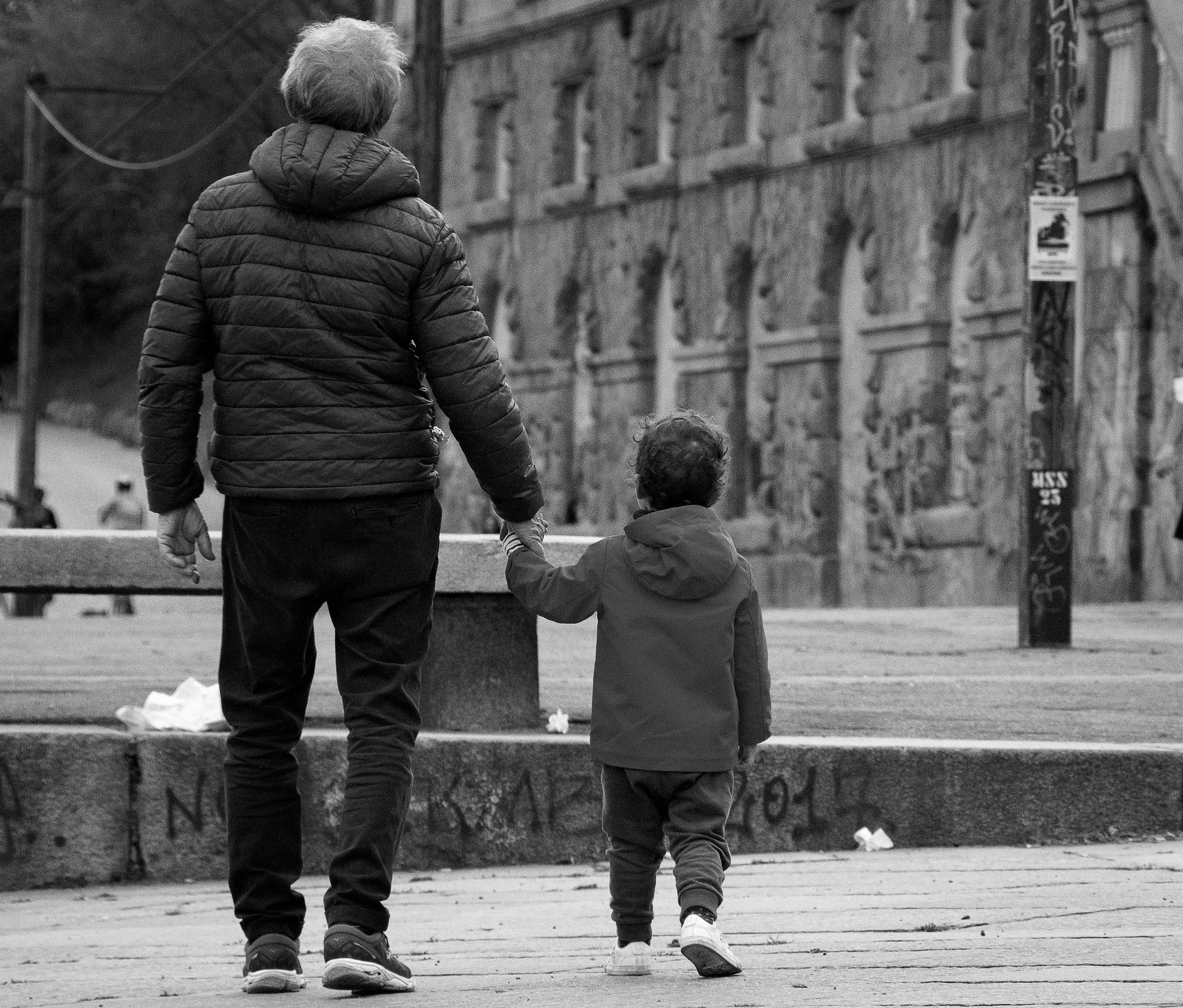
A black-and-white photograph of an adult walking hand in hand with a young child through a public urban space. The gesture communicates protection, accompaniment, responsibility, and trust, reflecting the idea that authentic authority exists to welcome, nurture, and defend life.
“Authority has to be, first of all, wholly bent on welcoming that richness, that beauty of life the Spirit brings about.
”
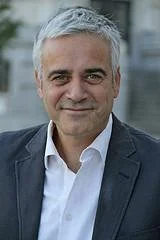
Fernando De Haro - Monsignor Corrado Sanguineti : Authority must be entirely focused on embracing life.
Páginas Digital speaks with Monsignor Corrado Sanguineti, Bishop of Pavia, about the governance of movements in light of the Pope’s recent remarks. Sanguineti holds that authority, above all, must be wholly directed toward embracing the richness of life the Holy Spirit brings forth. The Bishop of Pavia thinks the electoral system for choosing leaders is sound—so long as it follows not political criteria but the aim of recognizing those who genuinely carry authority. Institutionalization is necessary, but it has to stay in harmony with the charism. The Church has not yet found the forms that, within canon law, can best serve the movements. Applying the structure of religious orders to them mechanically strikes him as forced. The legal element matters; but when it starts to matter too much, that is not a good sign.
Leo XIV, in his Address to the Moderators of Associations of the Faithful on May 21, 2026, said: “Governance … is never merely technical; on the contrary, it has within itself a salvific orientation, that is, it must be directed toward the spiritual good of the faithful.” In your view, how can this guidance from the Pope be upheld? The method by which a charism first arose is no different from the method of governing it: what secures the continuity between the birth of a charism and its governance?
This address, which Leo directed to the movements and their leaders and moderators, struck me deeply, because it lays out a notion of authority that is plainly not authoritarian. Authority does, yes, point the way—but above all it has an almost salvific purpose: to serve salvation as it happens. Salvation is not something I bring about; it comes through the initiative of Another. So authority has to be, first of all, wholly bent on welcoming that richness, that beauty of life the Spirit brings about. The image of a river, with its bed and its banks, always helps here. If a river has no banks it turns into a swamp, so the banks are necessary; and this holds for the Church as such—there is doctrine, there is discipline, there is tradition in the fullest sense, and it carries us along. But without water running through it, you would have a riverbed that is empty and dry. And I am not the one who supplies the water; the Lord supplies it. The water is the Spirit—His life, showing itself again and again.
In that same address the Pope also noted that authority must take care to welcome and listen to the different sensibilities that arise, while keeping its eyes on unity—a unity lived as a treasure, as a symphony. And this, it seems to me, has a great deal to do with Augustine’s own experience.
In what sense?
Because, from what I understand of Augustine and of the Augustinian Order, one of the things most stressed is the idea of Christian experience as an experience of friendship—Augustinian fraternity is a friendship. After all, Augustine—read his life, in the Confessions—never walked alone. He always lived friendship, even when he was, so to speak, groping in the dark; and he did it by seeking out friends. Even as a bishop he tried, in a sense, to keep a certain monastic dimension, living in community. That strikes me as a compelling model—not only for us bishops, of course, but for anyone who carries responsibility, including within a charismatic community.
A charism is first expressed through the person given it—the founder—who ordinarily gives rise, without meaning to, to something new. We see it plainly this year, in the centenary of St. Francis: he had no intention whatsoever of founding an order; something simply happened to him. His writings show it too. The charism then stays alive precisely because that event of the Spirit—the thing that powerfully sets the beginning in motion—keeps recurring in the same way: through something unpredictable that happens again and again. There is a fine text by Fr. Giussani from 1993, Something That Comes First, where he already stated that the method does not change: “The initial phenomenon … is destined to be the initial and original phenomenon of every moment of development. For there is no development if that initial impact is not repeated.” It is not that there is first an encounter in its gratuitousness and then a “putting the encounter in order.” The encounter that happened at the beginning has to keep repeating itself.
The beautiful thing is that in Christian experience the one who holds authority is someone who, from a certain angle, is—and should be—entirely intent on learning what he sees happening. He will offer guidance, but in that spirit. I remember that in my years as a priest, when I took part in the Spiritual Exercises of the CL Fraternity—Don Giussani was still alive—it always struck me that he essentially started from the letters people wrote him, and every so often he would say: “What I tell you, I learn from you, from what happens.” That is striking.
You yourself, in your homily for the twenty-first anniversary of Don Giussani’s death, said that “the primary duty of one who leads a Christian community is to recognize and point out those authoritative figures whom the Lord raises up—‘people and moments in people’—to be observed and followed, in whom the newness of Christ becomes most transparent.”
Yes, I am convinced of it, because above all it is the method I have watched at work: I saw it plainly in Giussani, but I see it too in my brother bishops. You look first of all to the Church entrusted to you, since the Church entrusted to me plainly existed before me and will go on after me. I serve her for the stretch of the road that has been asked of me. I am called, of course, to safeguard communion with Catholic tradition and with the Pope. When I made my pastoral visit, it was, yes, a matter of offering some guidance—but first of all on the basis of what I saw, letting myself be surprised by certain living things. And I think that matters enormously at every level of the Church’s life. In this sense the Pope too—though he has, so to speak, his own vantage point, his own judgment—strikes me as a man who wants above all to serve God’s work: a work carried within a continuity of tradition, life, teaching, and holiness, and yet a work that is also being renewed now.
Returning to that May 21, 2026 address, on the question of authority the Pope said: “Authority can never be imposed from above, but must be a gift recognized within the community and freely accepted; hence the importance of free elections to make it effective.” Authority as something recognized. The Pope stresses the capacity and the responsibility of everyone in a community to identify authority. How important do you think this kind of election is?
To me this offers a very interesting criterion. The Church, in some ways, was among the first institutions to use the electoral method—certainly in all the religious orders, but also at the highest level, since the Pope is elected by the cardinals. In the Church, though, an election should not rest on political criteria—factions, alliances, and so on—but should try to discern, grasp, and recognize which person among us, or which body, shows the marks of being the most authoritative. Authority ought to be the recognition of that authority.
Of course we know this has not always been how it went, even in the elections of the Supreme Pontiffs. The Lord perhaps permits, now and then, authorities who are not fully authoritative—but that is more a matter of testing, of purification. In itself it would be far more fitting for the one elected to possess authority, even without being perfect. At the level of the Popes, for instance—at least in recent centuries—the cardinal electors’ choice has fallen on men whose qualities of personality, background, and formation were read as the most fitting for that particular moment in the Church’s history. Then, naturally, every Pope brings his own limits and temperament along with him. And so I think this holds at every level: in religious communities as in movements, elections are a tool, and—like every tool—they have their limits; we know that well. They are also a tool that is hard to handle.
Why?
Because as long as the founder is alive, clearly he carries his own authority; but little by little, as time passes and we move further from the founder, it becomes plain that mediation is needed. One form of mediation—less precise, perhaps, but still valid—is an election. What matters is that the criterion guiding the election be exactly this: to seek out the figures who actually serve as authoritative points of reference within the community, and then choose them. Go about it that way and, in my view, you serve everyone’s good. I remember, when I became a bishop, Pope Francis telling the new bishops, among other things: “Look, the first criterion for being a good bishop is not wanting to become a bishop”—that is, no careerism, which seems right to me. And it holds at every level: it is a service asked of you—or that ought to be asked of you—on the strength of the experience you have lived and can offer. We know, of course, that there are—how to put it—limits and imperfections; but here the Pope offers a beautiful criterion, because he makes clear that this is not an authority imposed, nor one elected on a purely democratic basis, but rather a kind of pointing-out of authority. Which finally comes to this: the Spirit Himself indicates that person to us as the most suited to this moment. At least in principle, that is how it should go; it is no accident that in all the religious orders—and when the Pope is elected—we call on the Holy Spirit, because it is He who should point the person out to us.
Then comes the challenge—the great challenge—of institutionalization. We need a form of institutionalization that does not break with method or with presence.
On one side, it seems to me inevitable that over time a charismatic community grows somewhat institutionalized, because it is like a body that grows and therefore has to give itself structures. As in all such communities, a certain order began to take shape even while the founder was alive. The problem lies above all in how the institution is conceived and put into practice, so that it is genuinely built with coessentiality in mind. John Paul II, and later Benedict XVI, taught that institution and charism are coessential. That holds for the Church at large, but also for each movement and each charism: there has to be coessentiality between institution and charism. The institutional element must be there, then, but as closely tuned to the charism as possible—and so at its service. Some experiences have gone through adjustments, because plainly even the legal “framework” should fit the experience as closely as it can.
Could you say more?
There is a question that, in my view, stays open. Opus Dei has stressed it often of late, but it also concerned Monsignor Paul Josef Cordes and others; the canonist himself said that, set against the structures the current Code of Canon Law provides, movements are something of a special case—so we probably still have to find the right institutional form for them. I think, and hope, that some study will be given to this. Applying the structure of religious orders to movements mechanically seems forced to me. It will likely take time, but here too we need the flexibility to reassess, because on a closer look we may find the experience is a different one. I think of the members of Opus Dei: they began in a form Monsignor Escrivá did not at first see fitting within the secular institute; then came the Personal Prelature, which seemed the most suitable, and it has held, with some adjustments; now they too are in a season of rethinking. And I think it is clear that life comes before the institution.
For a long time I belonged, for instance, to the Fraternity of Communion and Liberation without having read the Statutes—I trusted a way of life, so they didn’t much interest me. So I would say the legal element matters, but when it comes to matter too much, that is not a good sign, and we have to find the right balance. Catholic experience has always been balanced, never an “either/or.” The institution is necessary, because a body must have structures; but a body with no life left in it becomes a skeleton. The solution here isn’t easy—I know that; the difficulty is that movements are, in any case, something new, new in their very nature.
Earlier you said unity should not be thought of as uniformity or standardization. In what sense?
The more alive an experience is, the more naturally the same charism speaks through the particular gifts of individual people. An example: when Fr. Giussani was still with us, there were some truly remarkable figures in the movement—I think of Fr. Francesco Ricci, Fr. Luigi Negri, Fr. Ciccio Ventorino, and then Fr. Julián Carrón came along… they were not clones of Fr. Giussani. They were completely themselves and completely his sons; and so it was very clear that they pointed not to themselves but to a story greater than themselves—one brought about by Don Giussani—each keeping his own personality. On this point Giussani was always deeply unwilling to compromise, very much a father: he calmly accepted that there might be some friction, some tension, because that belongs to life; but at bottom there was the desire to live, all the same, in full communion.
I think this applies to me as a bishop: my priests and I are not made “in my image,” thank God; every priest brings his own humanity, and of course his limits too. I must not “standardize” them all. And the same, I think, is clear in leading an experience like the Movement: whoever bears the final responsibility for guidance should recognize what is happening, including where the sensitive points are. Those points are alive not merely because they are more appealing, but precisely because of the intensity, the richness, the fruitfulness of the experience being lived. And you can spot them by accepting that the same event may be presented with somewhat different emphases.
This seems to me tied to something that greatly surprised me: the Pope has spoken—at least twice, as far as I know—of subsidiarity not as a principle of Social Doctrine but as one proper to movements. The address to the Legionaries of Christ, for example, speaks of subsidiarity within a movement, and the encyclical Magnifica Humanitas speaks of subsidiarity in the Church. What does the principle of subsidiarity mean for a movement?
Subsidiarity, as we know, is a basic principle of Social Doctrine: what a lower level can do should not be done by a higher one; at heart it is a principle that runs against statism, the notion that everything must be centralized. At the ecclesial level, within the Church’s institutional organization, it means making sure the structures are decentralized as well. There is the Holy See, of course, with the Dicasteries of the Roman Curia, working by the same logic: fostering and keeping up relations with the local Churches, supporting them, and so on.
And the same should hold within movements, where subsidiarity means there can be points of reference, initiatives, and a dynamism of life rising from the grassroots—even from people who hold no official role in the structure. After all, in the history of CL—and of other experiences too—new things have very often arisen without being planned “from above,” even the founding of a whole new reality. I remember the story of the Memores Domini well. Don Giussani himself had not foreseen the Adult Group; his original vision was already giving him plenty to handle. He yielded to the evidence of an initiative that came from some young adults who, following him, had taken the experience of belonging to Christ so deep that they arrived at this beautiful idea: to give their lives to Christ—wholly to Christ—while remaining laypeople and living their baptism to the full. He recognized in it a true insight, one he had not thought up himself.
How did you experience the Pope’s recent visit to Pavia?
It was a moment of great beauty, as I wrote too in the message I sent the diocese afterward. It struck me as a true Event—that is, something that, however much we prepared, thought it over, and imagined it, in the end held within itself something greater, something unpredictable, as it unfolded. I felt this above all in the way the Pope placed himself among us. Because beyond the very beautiful things he said in his two speeches, what struck me—and struck so many—was exactly the way he was right there among us. It was four hours—a short, very intense time—yet the Pope gave me the impression of being fully present in every moment, in every gesture.
You could really see—and he had told me as much—that his first concern was to meet people. When we came out of San Pietro in Ciel d’Oro, many people with disabilities and many sick were waiting for him; he greeted them one by one, right to the end, even taking time to answer plenty of simple questions and to bless everyone who asked.
It really felt to me as though I were reliving a little of what must have happened with Jesus as he walked the roads of Galilee: he was a Presence that people, above all, looked to. Then, riding with him in the Popemobile, watching people in the street ask him for a blessing and hold their children up to him, it was clear he was not just a famous figure. They saw something more in him. It was very evident: through him, Someone Else was present. You could truly see what we study in theology—that the Pope is the Vicar of Christ and the successor of Saint Peter. You could see it plainly in the experience itself. There were all kinds of people: many practicing believers, but non-believers too—and all of them were drawn to that Presence.
The other thing that struck me deeply was the atmosphere the Pope’s presence created in the city, in the community. Both in the run-up to the visit and on the day itself, I truly felt a festive, joyful air; it was as if the city were delighted by this encounter. We had been worried, for instance, about some small logistical matters—asking the bars and restaurants to clear all their outdoor seating for three days—but no one, absolutely no one, objected. It was as if everyone were glad to have him there, to host him; and that struck me, because it can’t be taken for granted, especially since Pavia, for all its Christian tradition, is modern and secularized like every city today. You’ve just been through this in Spain, perhaps in an even more striking way.
So for me, beyond the beautiful things he said and the gestures he made, it was first of all the happening of a Presence, of an Event.
-
-
« L’autorité doit être entièrement orientée vers la vie »
Fernando De Haro
www.paginasdigital.com s’entretient avec Mgr Corrado Sanguineti, évêque de Pavie, sur la gouvernance des mouvements à la suite des dernières interventions du Pape. Mgr Sanguineti soutient que l’autorité doit avant tout être entièrement orientée vers cette richesse de vie que l’Esprit fait naître.
L’évêque de Pavie estime que le système électoral permettant de choisir les responsables est valable, à condition qu’il ne réponde pas à des critères politiques, mais qu’il serve à reconnaître les personnes dotées d’autorité. L’institutionnalisation — nécessaire — doit être en harmonie avec le charisme. L’Église doit encore trouver les formules qui, dans le cadre du droit canonique, puissent aider au mieux les mouvements. Lui, il trouve un peu forcé d’appliquer de manière un peu mécanique la structure des ordres religieux aux mouvements. L’aspect juridique est important, mais quand il prend trop d’importance, ce n’est pas bon signe.
Léon XIV, dans son Discours aux modérateurs des associations de fidèles du 21 mai 2026, disait : « Le gouvernement […] n’est jamais uniquement technique ; il a au contraire en soi une orientation salvifique, c’est-à-dire qu’il doit tendre vers le bien spirituel des fidèles ». Selon vous, comment peut-on respecter cette indication du Pape ? En ce sens que la méthode d’où est né un charisme ne soit pas différente de la méthode de gouvernement : qu’est-ce qui permet qu’il y ait une continuité entre l’émergence du charisme et le gouvernement du charisme ?
Ce discours, que Léon a adressé aux mouvements, aux responsables des mouvements et aux modérateurs, m’a beaucoup marqué car il en ressort une conception de l’autorité qui n’est clairement pas pensée en termes autoritaires. L’autorité est celle qui, d’une part, assure certes une voie, mais qui a avant tout une finalité presque salvifique, c’est-à-dire celle de servir le salut en acte. Le salut n’est pas quelque chose que je fais moi-même, c’est quelque chose qui se produit à l’initiative d’un Autre ; par conséquent, l’autorité doit d’abord et avant tout être entièrement orientée vers la saisie de cette richesse, de cette beauté de vie que l’Esprit fait advenir. La comparaison entre le fleuve, son lit et ses berges est toujours utile. D’une part, le fleuve, s’il n’a pas de berges, se transforme en marécage ; il faut donc des berges ; cela vaut pour l’Église en tant que telle : il y a une doctrine, il y a une discipline, il y a une tradition au sens fort qui nous accompagne. Mais s’il n’y avait pas d’eau qui y coule, ce serait un lit, pour ainsi dire, vide, asséché. Et ce n’est pas moi qui y mets l’eau, c’est le Seigneur qui y met l’eau ; l’eau, c’est l’Esprit, c’est Sa vie qui se manifeste sans cesse.
Dans cette intervention, le Pape notait également, dans ce sens, que l’autorité doit veiller à accueillir, à écouter aussi les différentes sensibilités qui peuvent émerger, tout en restant attentive à l’unité, une unité vécue comme une richesse, comme une symphonie. Et il me semble que cette caractéristique est en quelque sorte une méthode qui a beaucoup à voir avec l’expérience d’Augustin.
Dans quel sens ?
Car, d’après ce que j’ai compris d’Augustin et aussi de l’Ordre augustinien, l’un des aspects les plus mis en avant est l’idée de l’expérience chrétienne comme expérience d’amitié, c’est-à-dire que la fraternité augustinienne est une amitié.
D’ailleurs, Augustin — si l’on lit sa vie, pensons aux Confessions — est un homme qui n’a jamais marché seul, il a toujours vécu l’amitié, même au moment où, pour ainsi dire, il tâtonnait dans le noir, il l’a toujours fait en cherchant des amis. Et même en tant qu’évêque, d’une certaine manière, il a voulu conserver une certaine dimension monastique, dans le sens d’une vie en communauté. Cela me semble être une approche très intéressante, pour nous, évêques, bien sûr, mais aussi pour quiconque assume des responsabilités, y compris, je pense, dans le cadre d’une expérience charismatique.
Il est clair que le charisme s’exprime à l’origine à partir de celui qui en est investi, c’est-à-dire le fondateur, qui engendre normalement — sans le vouloir — une réalité nouvelle. On le voit très bien cette année, à l’occasion du centenaire de saint François : lui non plus n’avait absolument pas l’intention de fonder un ordre, quelque chose lui est arrivé. Et on le voit aussi à travers ses textes. Ensuite, le charisme reste vivant parce que, justement, cet événement de l’Esprit, qui engendre puissamment le commencement, continue de se reproduire selon la même méthode, c’est-à-dire par quelque chose d’imprévisible qui se présente à nouveau. Il y a une très belle réflexion de don Giussani datant de 1993, Quelque chose qui vient avant, où il disait déjà à l’époque que la méthode ne change pas : « Le phénomène initial […] est destiné à être le phénomène initial et originel de chaque instant du développement. Car il n’y a pas de développement si cet impact initial ne se répète pas ». Il n’y a pas d’abord une rencontre dans sa gratuité, puis ensuite une « mise en ordre » de cette rencontre. La rencontre qui s’est produite au commencement doit sans cesse se reproduire.
Ce qui est beau, c’est que dans l’expérience chrétienne, celui qui détient l’autorité est quelqu’un qui, d’un certain point de vue, est entièrement tourné, devrait être entièrement tourné, vers l’apprentissage de ce qu’il voit se produire. Il donnera ensuite une orientation, mais dans ce sens-là. Je me souviens que lorsque, au cours de mes années de sacerdoce, je participais aux Exercices spirituels de la Fraternité de CL, don Giussani était encore en vie et j’étais toujours frappé par le fait qu’il partait essentiellement des lettres que les gens lui écrivaient et qu’il le disait de temps à autre : « Ce que je vous dis, je l’apprends de vous, de ce qui se passe ». C’est impressionnant.
Vous, par exemple, dans votre homélie pour le XXIe anniversaire de la mort de don Giussani, vous avez dit que « le premier service de celui qui guide une compagnie chrétienne est de saisir et de signaler ces présences faisant autorité que le Seigneur suscite, des “personnes et des moments de personnes” à observer, à suivre, dans lesquels la nouveauté du Christ devient plus évidente ».
Oui, j’en suis convaincu, car c’est d’abord la méthode que j’ai observée : je l’ai vue clairement chez Giussani, mais en réalité, je la vois aussi chez mes confrères évêques. On regarde avant tout l’Église qui nous est confiée, car évidemment, l’Église qui m’est confiée existait avant moi et existera encore après moi. Je la sers sur ce tronçon de chemin qui m’est demandé. Certes, je suis appelé à garantir la communion avec la tradition catholique, avec le Pape. Lorsque j’ai effectué ma visite pastorale, il s’agissait pour moi, certes, de donner quelques indications, mais avant tout en partant de ce que je voyais, en me laissant moi-même surprendre par certains points vivants. Et je crois que cela est très important à tous les niveaux de la vie de l’Église. En ce sens, il me semble que le Pape lui-même — bien qu’il ait, pour ainsi dire, son propre regard, son propre jugement — est un homme qui veut avant tout servir l’œuvre de Dieu. L’œuvre de Dieu qui s’est exprimée dans une continuité de tradition, de vie, d’enseignement, de sainteté, mais qui est aussi l’œuvre de Dieu qui se renouvelle aujourd’hui.
Pour revenir au discours du 21 mai 2026 sur la question de l’autorité, le Pape disait : « L’autorité ne peut jamais être imposée d’en haut, mais doit être un don reconnaissable au sein de la communauté et librement accueilli ; d’où l’importance d’élections libres pour la rendre effective ». L’autorité comme une chose reconnue. Le Pape insiste sur la capacité et la responsabilité de chacun, au sein d’une communauté, à identifier l’autorité. Quelle importance accordez-vous à ce type d’élections ?
À mon avis, cela fournit un critère très intéressant. L’Église, à certains égards, a été l’une des premières institutions à recourir à la méthode électorale, dans tous les ordres religieux bien sûr, mais aussi au plus haut niveau, puisque le Pape est élu par les cardinaux. Cependant, dans l’Église, l’élection ne devrait pas répondre à un critère politique au sens de courants, de coalitions et autres, mais devrait chercher à voir, à saisir, à reconnaître quelle personne parmi nous, quelle réalité présente les signes, les caractéristiques pour être la plus influente. L’autorité devrait être la reconnaissance d’une influence.
Bien sûr, nous savons que cela n’a pas toujours été le cas, même lors des élections des Souverains Pontifes. Le Seigneur permet peut-être, parfois, l’émergence d’autorités qui ne sont pas pleinement dignes d’autorité, mais cela relève davantage d’une épreuve, d’une purification. En soi, il serait bien plus juste que celui qui est élu ne soit pas parfait, mais qu’il fasse preuve d’autorité. Il me semble que, par exemple, au niveau des Souverains Pontifes, du moins au cours des derniers siècles, le choix des cardinaux électeurs s’est porté sur des personnes qui possédaient des qualités — de personnalité, d’histoire, de formation — jugées les plus appropriées à ce moment de l’Église. Bien sûr, chaque pape a aussi ses limites, son tempérament, et je pense donc que cela est important à tous les niveaux : même au sein des différentes communautés religieuses, comme dans les mouvements, les élections sont un outil et, comme tous les outils, elles ont leurs limites, nous le savons très bien. D’un autre côté, c’est un outil qui peut s’avérer difficile à manier.
Pourquoi ?
Parce que tant que le fondateur est là, il est clair qu’il jouit d’une autorité propre, mais peu à peu, à mesure que l’on s’éloigne de lui dans le temps, il est évident que des médiations sont nécessaires. Une médiation peut-être plus approximative, mais valable, est celle de l’élection. L’important, c’est que le critère sur lequel reposent les élections soit le suivant : essayer de repérer les personnes qui constituent de fait des figures d’autorité au sein de la communauté, puis les choisir. Si l’on procède ainsi, je pense que c’est dans l’intérêt de tous. Je me souviens du moment où je suis devenu évêque et où le pape François, lors d’une rencontre avec les nouveaux évêques, avait déclaré, parmi d’autres remarques de l’époque : « Voilà, le premier critère pour être un bon évêque, c’est de ne pas vouloir être évêque », dans le sens où il ne faut pas avoir une vision de carrière, ce qui me semble juste. Et cela vaut à tous les niveaux : c’est un service qui t’est demandé, qui devrait t’être demandé, en vertu d’une expérience que tu vis et que tu peux apporter. Ensuite, nous savons que, comment dire, les limites et les imperfections existent, mais là, il me semble que le Pape donne un très beau critère, car il fait comprendre qu’il ne s’agit pas d’une autorité imposée, ni d’une autorité élue selon un critère de pure démocratie, mais que cela devrait être une sorte d’indication d’autorité, ce qui revient en somme à dire : l’Esprit lui-même nous désigne cette personne comme la plus apte pour ce moment. Du moins, cela devrait être le cas, à titre provisoire ; ce n’est pas un hasard si, dans tous les ordres religieux et lors de l’élection du pape, on invoque le Saint-Esprit, car c’est Lui qui devrait nous la désigner.
Puis il y a le défi, le grand défi, de l’institutionnalisation. Il faut une institutionnalisation qui ne provoque pas de rupture dans la méthode, dans la présence.
D’une part, il me semble inévitable qu’une réalité charismatique ait, au fil du temps, tendance à s’institutionnaliser quelque peu, car c’est comme un corps qui grandit et qui, par conséquent, doit se doter de structures. Comme dans toutes les réalités, alors que le fondateur était encore en vie, on commençait déjà à mettre en place un certain ordre. Le problème réside surtout dans la manière dont l’institution est conçue et mise en œuvre, afin qu’elle soit véritablement pensée en fonction de la coessentialité. Jean-Paul II, puis Benoît XVI, affirment que l’institution et le charisme sont coessentiels. Cela vaut pour l’Église en général, mais aussi pour chaque mouvement, chaque charisme : une coessentialité entre l’institution et le charisme est nécessaire ; par conséquent, l’élément institutionnel doit exister, mais il doit être en harmonie autant que possible avec le charisme et, par conséquent, en refléter la fiabilité. Certaines expériences ont peut-être fait l’objet de corrections, car il est clair que même le « cadre » juridique devrait être aussi conforme que possible à l’expérience.
Pouvez-vous préciser votre pensée ?
Il y a là, à mon avis, une question qui reste encore ouverte. L’Opus Dei l’a souvent soulignée ces derniers temps, mais c’était aussi un thème abordé par Mgr Paul Josef Cordes et d’autres, notamment ce même canoniste qui disait que les mouvements, par rapport aux structures prévues par l’actuel Code de droit canonique, constituent en quelque sorte une chose à part, raison pour laquelle nous devons probablement encore parvenir à trouver la forme institutionnelle qui convient aux mouvements. Je pense et j’espère que l’on va s’atteler à l’étude de cette question. Appliquer de manière mécanique la structure des ordres religieux aux mouvements me semble un peu forcé. Cela prendra probablement du temps, mais dans ce sens, il faut faire preuve de souplesse, y compris pour revoir les choses, car il se peut qu’en vérifiant, on constate que l’expérience est différente. Je pense aux membres de l’Opus Dei : ils sont nés sous une forme que Mgr Escrivá ne retrouvait pas, au départ, dans l’institut séculier ; puis la prélature personnelle est apparue, qui semblait la plus adaptée, et elle a ensuite été maintenue avec quelques corrections ; aujourd’hui, eux aussi traversent une période de réélaboration et je crois qu’il est clair que la vie précède l’institution.
J’ai longtemps vécu mon appartenance, par exemple, à la Fraternité de Communion et Libération sans même avoir lu les statuts, dans le sens où je faisais confiance à une vie, ce qui fait que cela ne m’intéressait pas beaucoup. Je dirais donc que l’élément juridique est important, mais quand il devient trop important, ce n’est pas bon signe et il faut trouver un juste équilibre. L’expérience catholique a toujours été une expérience équilibrée et jamais un «aut aut». L’institution est nécessaire, car un corps doit se doter de structures, mais si un corps n’a plus de vie, il devient un squelette. À ce stade, la solution n’est pas facile, je le comprends ; la question se pose parce que, de toute façon, les mouvements constituent une nouveauté, y compris dans leur phénoménologie même.
Vous disiez tout à l’heure que l’unité ne doit pas être conçue comme une uniformité ou une uniformisation. Dans quel sens ?
Plus une expérience est vivante, plus naturellement le charisme lui-même s’exprime aussi à travers les particularités de chaque personne. Je vais vous donner un exemple : je me souviens que, lorsque don Giussani était encore parmi nous, il y avait déjà de très belles figures au sein de l’expérience du mouvement ; je pense à don Francesco Ricci, don Luigi Negri, don Ciccio Ventorino, puis est arrivé don Julián Carrón… Ce n’étaient pas des clones de don Giussani.
Ils étaient pleinement eux-mêmes, tout en étant pleinement ses fils ; on voyait donc très bien qu’ils ne se référaient pas à eux-mêmes, mais à une histoire plus grande qu’eux, engendrée par don Giussani, chacun avec sa propre personnalité. Et Giussani a toujours été, de ce point de vue, très peu intolérant, très paternel ; c’est-à-dire qu’il acceptait sereinement qu’il y ait aussi quelques frictions, quelques tensions, car cela fait partie de la vie, alors qu’au fond, il y a le désir de vivre malgré tout une communion totale.
Je crois que cela vaut pour moi en tant qu’évêque : mes prêtres et moi-même ne sommes pas « à mon image », grâce à Dieu ; chaque prêtre apporte sa propre humanité et, naturellement, il y aura aussi des limites. Je ne dois pas tous les « uniformiser ». Je crois que la même chose, au niveau de la direction d’une expérience telle que le mouvement, est claire : celui qui a la responsabilité ultime de la direction devrait reconnaître ce qui se passe, s’il y a des points « vivants ». Vivants non pas simplement parce qu’ils sont plus sympathiques, mais précisément en raison de l’intensité, de la richesse et de la fécondité de l’expérience qui s’y déroule. Et on peut les mettre en évidence tout en acceptant qu’il y ait des accents un peu différents dans la manière de présenter le même événement.
Cela me semble lié à une question qui m’a beaucoup surpris : le Pape a évoqué, au moins deux fois à ma connaissance, la subsidiarité non pas comme un principe de la doctrine sociale, mais comme un principe propre aux mouvements. Par exemple, l’allocution qu’il a adressée aux Légionnaires du Christ évoque la subsidiarité au sein d’un mouvement, et l’encyclique Magnifica Humanitas traite également de la subsidiarité dans l’Église. Que signifie le principe de subsidiarité pour un mouvement ?
La subsidiarité, comme nous le savons, est un principe fondamental de la doctrine sociale : tout ce qui peut être fait par une instance inférieure ne doit pas l’être par une instance supérieure ; en substance, c’est donc un principe qui va à l’encontre de l’étatisme, de l’idée que tout doit être centralisé. Au niveau ecclésial, dans l’organisation institutionnelle de l’Église, cela signifie veiller à ce qu’il y ait également une ramification des structures. Il y a bien sûr le Saint-Siège, avec les dicastères de la Curie romaine, qui fonctionne selon la même logique : veiller à entretenir les relations avec les Églises locales, les soutenir, etc.
Et il devrait en être de même au sein des mouvements, où la subsidiarité signifie qu’il peut y avoir des initiatives, une dynamique de vie qui naît de la base, voire de personnes qui n’occupent aucun rôle dans la structure. D’ailleurs, si l’on regarde l’histoire du mouvement CL, mais aussi d’autres expériences, très souvent certaines nouveautés sont nées sans avoir été programmées, même par les « hauts responsables », y compris lors de la constitution d’une réalité. Je me souviens bien de l’expérience des Memores Domini. Don Giussani lui-même n’avait pas prévu le Groupe des Adultes, il avait déjà bien assez de problèmes avec son intuition originelle. Il s’est lui-même résigné face à l’évidence d’une initiative née de quelques jeunes adultes qui, en le suivant, avaient approfondi à tel point l’expérience d’appartenance au Christ qu’ils avaient eu cette très belle idée : donner sa vie au Christ, totalement au Christ, tout en restant laïcs, en vivant pleinement le baptême. Lui-même a saisi une intuition authentique, qu’il n’avait pas imaginée.
Comment avez-vous vécu la récente visite du Pape à Pavie ?
Ce fut un moment d’une grande beauté, comme je l’ai également écrit dans le message que j’ai adressé au diocèse après la visite. Cela m’a vraiment semblé être un événement, c’est-à-dire un fait qui, même si nous l’avions préparé, pensé et imaginé, recelait en lui-même, une fois survenu, quelque chose de plus grand, quelque chose d’imprévisible. Je l’ai surtout perçu dans la manière dont le pape s’est placé parmi nous. Car au-delà des très belles paroles qu’il nous a adressées dans ses deux discours, ce qui m’a frappé – et a également frappé beaucoup de gens –, c’est précisément la manière dont il était parmi nous. Cela a duré quatre heures, donc un temps très court, très intense, mais le pape m’a donné l’impression d’être pleinement présent à chaque instant, à chaque geste.
On voyait bien — il me l’avait d’ailleurs dit — qu’il tenait avant tout à rencontrer les gens. Lorsque nous sommes sortis de San Pietro in Ciel d’Oro, de nombreuses personnes handicapées et malades l’attendaient ; il les a saluées une à une, jusqu’au bout, en répondant même à de nombreuses questions simples, à tous ceux qui demandaient à recevoir sa bénédiction.
J’ai vraiment eu l’impression de revivre un peu ce qui se passait probablement avec Jésus lorsqu’il parcourait les routes de Galilée : c’était une présence que les gens regardaient avant tout. En restant ensuite avec lui dans la Papamobile, en voyant les personnes qui, dans la rue, lui demandaient une bénédiction, lui tendaient leurs enfants, il était clair qu’il ne s’agissait pas simplement d’une personnalité célèbre. Elles voyaient en lui quelque chose de plus. C’était très évident : à travers lui passait un Autre. On voyait vraiment ce que l’on étudie en théologie, à savoir que le pape est le vicaire du Christ et le successeur de saint Pierre. On le voyait dans l’expérience, avec clarté. Il y avait des gens très différents : beaucoup de croyants pratiquants, mais aussi des non-croyants, tous attirés par cette présence.
L’autre chose qui m’a beaucoup frappé, c’est l’ambiance que la présence du pape a créée dans la ville, au sein de la communauté. Tant les jours précédant la visite que le jour même, j’ai vraiment ressenti une ambiance de fête, de joie ; c’était comme si la ville se réjouissait de cette rencontre. Par exemple, nous craignions quelques petits problèmes logistiques, comme demander aux cafés et aux restaurants de retirer toutes leurs terrasses pendant trois jours, mais personne, absolument personne n’a manifesté la moindre réticence. C’était comme si tout le monde était content de l’avoir là, de l’accueillir, et cela m’a frappé car ce n’est pas évident, d’autant plus que Pavie a une tradition chrétienne, mais qu’elle est moderne, sécularisée comme toutes les villes d’aujourd’hui. Vous venez de vivre cela en Espagne, d’une manière peut-être encore plus impressionnante.
Donc pour moi, au-delà des belles paroles qu’il nous a adressées et des gestes qu’il a accomplis, c’était avant tout le fait qu’il était présent, qu’un événement s’est produit.
-
«La autoridad debe estar totalmente orientada a captar la vida»
Fernando De Haro
www.paginasdigital.com habla con monseñor Corrado Sanguineti, obispo de Pavía, sobre el gobierno de los movimientos tras las últimas intervenciones del Papa. Sanguineti sostiene que la autoridad, ante todo, debe estar íntegramente orientada a captar esa riqueza de vida que el Espíritu hace surgir. El obispo de Pavía considera que el sistema electoral para elegir a los responsables es adecuado, siempre que no responda a criterios políticos, sino que sirva para reconocer a las personas dotadas de autoridad. La institucionalización —necesaria— debe estar en sintonía con el carisma. La Iglesia aún debe encontrar las fórmulas que, en el ámbito del derecho canónico, puedan ayudar mejor a los movimientos. Le parece forzado aplicar de manera un tanto mecánica la estructura de las órdenes religiosas a los movimientos. El elemento jurídico es importante, pero cuando se vuelve demasiado importante no es buena señal.
León XIV, en su Discurso a los moderadores de las asociaciones de fieles del 21 de mayo de 2026, decía: «El gobierno […] nunca es solo técnico; por el contrario, tiene en sí mismo una orientación salvífica, es decir, debe tender al bien espiritual de los fieles». En su opinión, ¿cómo se puede preservar esta indicación del Papa? En el sentido de que el método del que surgió un carisma no sea diferente del método de gobierno: ¿qué permite que haya una continuidad entre el surgimiento del carisma y el gobierno del carisma?
Este discurso, que León dirigió a los movimientos, a los responsables de los movimientos y a los moderadores, me ha impresionado mucho porque de él surge un concepto de autoridad que no se concibe claramente en términos autoritarios. La autoridad es aquella que, por un lado, sí, garantiza un camino, pero ante todo tiene una finalidad casi salvífica, es decir, servir a la salvación en curso. La salvación no es algo que yo haga, es algo que ocurre por iniciativa de Otro; por lo tanto, la autoridad, en primer lugar, debe estar totalmente orientada a captar esa riqueza, esa belleza de la vida que el Espíritu hace que suceda. Siempre ayuda un poco la comparación del río con el cauce y los diques. Por un lado, el río, si no tiene diques, se convierte en un pantano y, por lo tanto, se necesitan diques; esto se aplica a la Iglesia como tal: hay una doctrina, hay una disciplina, hay una tradición en sentido estricto que nos acompaña. Pero si luego no hubiera agua que fluyera por su interior, sería un cauce, por así decirlo, vacío, seco. Y el agua no la pongo yo, el agua la pone el Señor; el agua es el Espíritu, es Su vida que se manifiesta continuamente.
En esa intervención, el Papa señalaba también, en este sentido, que la autoridad debe estar atenta a acoger y a escuchar también las diversas sensibilidades que puedan surgir, sin perder de vista la unidad, una unidad que se vive como una riqueza, como una sinfonía. Y me parece que este rasgo es, en cierto modo, un método que tiene mucho que ver con la experiencia de Agustín.
¿En qué sentido?
Porque, por lo que he comprendido de Agustín y también de la Orden Agostiniana, uno de los aspectos más destacados es la idea de la experiencia cristiana como experiencia de amistad; es decir, la fraternidad agostiniana es una amistad.
Por otra parte, Agustín —si leemos su vida, pensemos en las Confesiones— es un hombre que nunca caminó solo, siempre vivió una experiencia de amistad; incluso en los momentos en que, por así decirlo, andaba a tientas en la oscuridad, lo hizo siempre buscando amigos. Y también como obispo, de alguna manera, quiso mantener una cierta dimensión monástica, en el sentido de llevar una vida en común. Esto me parece un método muy interesante, también para nosotros los obispos, naturalmente, pero para cualquiera que tenga responsabilidades, pienso también dentro de una experiencia carismática.
Está claro que el carisma se expresa en su origen a partir de aquel que está investido de él, es decir, el fundador, que normalmente —sin quererlo— genera una realidad nueva. Esto se ve muy bien este año, en el centenario de san Francisco: él tampoco tenía en absoluto la intención de fundar una orden, simplemente le sucedió algo. Y lo vemos también a través de sus textos. Luego, el carisma permanece vivo porque, precisamente, ese acontecimiento del Espíritu, que genera de manera poderosa el inicio, sigue repitiéndose con el mismo método, es decir, con algo imprevisible que se vuelve a presentar. Hay una reflexión muy bonita de don Giussani de 1993, Algo que viene antes, en la que ya decía entonces que el método no cambia: «El fenómeno inicial […] está destinado a ser el fenómeno inicial y original de cada momento del desarrollo. Porque no hay desarrollo alguno si ese impacto inicial no se repite». No hay primero un encuentro en su gratuidad y después un «ordenar» el encuentro. El encuentro que tuvo lugar al principio debe volver a ocurrir continuamente.
Lo bonito es que, en la experiencia cristiana, quien tiene autoridad es alguien que, desde cierto punto de vista, está totalmente volcado —o debería estarlo— en aprender lo que ve que ocurre. Después dará una orientación, pero en este sentido. Recuerdo que cuando, en mis años como sacerdote, participaba en los Ejercicios espirituales de la Fraternidad de CL, don Giussani aún vivía y siempre me llamaba la atención que él, fundamentalmente, partiera de las cartas que la gente le escribía y, de vez en cuando, lo decía: «Lo que os digo lo aprendo de vosotros, de lo que ocurre». Esto es impresionante.
Usted, por ejemplo, en su homilía con motivo del XXI aniversario de la muerte de don Giussani, dijo que «el primer servicio de quien guía una compañía cristiana es captar y señalar aquellas presencias autorizadas que el Señor suscita, “personas y momentos de personas” a las que mirar, a las que seguir, en las que se hace más transparente la novedad de Cristo».
Sí, estoy convencido de ello, porque, ante todo, es el método que he observado: lo vi claramente en Giussani, pero, en realidad, también lo veo en mis hermanos obispos. Uno mira, ante todo, a la Iglesia que se le ha confiado, porque, obviamente, la Iglesia que se me ha confiado existía antes que yo y seguirá existiendo después de mí. Yo la sirvo en ese tramo del camino que se me ha pedido. Por supuesto, estoy llamado a garantizar la comunión con la tradición católica, con el Papa. Cuando realicé la visita pastoral, para mí se trataba, sí, de dar algunas indicaciones, pero ante todo partiendo de lo que veía, dejándome sorprender en primer lugar por ciertos puntos vivos. Y creo que esto es muy importante en todos los niveles de la vida de la Iglesia. En este sentido, me parece que también el Papa —aunque tenga, por así decirlo, su propia visión, su propio juicio— es un hombre que, ante todo, quiere servir a la obra de Dios. La obra de Dios que se ha expresado en una continuidad también de tradición, de vida, de enseñanza, de santidad, pero que es, en definitiva, la obra de Dios que se renueva ahora.
Volviendo al discurso del 21 de mayo de 2026 sobre la cuestión de la autoridad, el Papa decía: «La autoridad nunca puede imponerse desde arriba, sino que debe ser un don reconocible en la comunidad y acogido libremente; de ahí la importancia de las elecciones libres para hacerla efectiva». La autoridad como algo reconocido. El Papa insiste en la capacidad y la responsabilidad de todos, dentro de una comunidad, a la hora de identificar la autoridad. ¿Qué importancia cree que tiene este tipo de elecciones?
En mi opinión, esto aporta un criterio muy interesante. La Iglesia, en ciertos aspectos, ha sido una de las primeras realidades en utilizar el método de las elecciones, sin duda en todas las órdenes religiosas, pero también en el nivel más alto, ya que el Papa es elegido por los cardenales. Sin embargo, en la Iglesia la elección no debería responder a un criterio político en el sentido de corrientes, coaliciones y cosas por el estilo, sino que debería tratar de ver, captar y reconocer qué persona entre nosotros, qué realidad muestra signos y características para ser más autoritaria. La autoridad debería ser el reconocimiento de una autoridad.
Por supuesto, sabemos que esto no siempre ha sido así, ni siquiera en las elecciones de los Sumos Pontífices. El Señor tal vez permita, en ocasiones, que haya autoridades que no sean plenamente autorizadas, pero esto es más bien un elemento de prueba, de purificación. En sí mismo, sería mucho más justo que quien sea elegido no sea perfecto, pero que posea autoridad. Me parece que, por ejemplo, en el ámbito de los Pontífices, al menos en los últimos siglos, la elección de los cardenales electores ha recaído en personas que poseían cualidades —de personalidad, de trayectoria, de formación— que se consideraban más adecuadas para aquel momento de la Iglesia. Luego, obviamente, cada Papa tiene también sus limitaciones, su temperamento, y por eso creo que esto es importante a todos los niveles: incluso en las diversas comunidades religiosas, al igual que en los movimientos, las elecciones son un instrumento y, como todos los instrumentos, tienen sus límites, lo sabemos muy bien. Por otro lado, son un instrumento que se vuelve complicado.
¿Por qué?
Porque mientras el fundador está presente, es evidente que tiene su propia autoridad, pero poco a poco, a medida que se va alejando el tiempo del fundador, es evidente que se necesitan mediaciones. Una mediación quizás más aproximada, más adecuada, es la de la elección. Lo importante es que el criterio con el que se celebren las elecciones sea este: intentar identificar aquellas figuras que, de hecho, son referentes de autoridad en la comunidad y, por tanto, elegirlas. Si se hace así, en mi opinión, se hace el bien de todos. Recuerdo cuando me convertí en obispo y el papa Francisco, en un encuentro con los nuevos obispos, entre las diversas observaciones de entonces, dijo: «Veréis, el primer criterio para ser un buen obispo es no desear serlo», en el sentido de que no se trate de una ambición profesional, lo cual me parece acertado. Y lo mismo se aplica a todos los niveles, es decir, es un servicio que se te pide —o debería pedirse— en virtud de una experiencia que vives y que puedes aportar. Luego sabemos que, por así decirlo, existen los límites, las imperfecciones, pero ahí me parece que el Papa ofrece un criterio muy bonito, porque deja claro que no se trata de una autoridad impuesta, ni de una autoridad elegida según un criterio de pura democracia, sino que debería ser una especie de indicación de autoridad, lo que, en el fondo, es como decir: el propio Espíritu nos señala a esa persona como la más adecuada para este momento. Al menos, en principio, debería ser así; no en vano, en todas las órdenes religiosas y cuando se elige al Papa, se invoca al Espíritu Santo porque debería ser Él quien nos lo señale.
Luego está el reto, el gran reto, de la institucionalización. Se necesita una institucionalización que no provoque una discontinuidad en el método ni en la presencia.
Por un lado, me parece que el hecho de que una realidad carismática tienda con el tiempo a institucionalizarse un poco es inevitable, porque es como un cuerpo que crece y que, por lo tanto, debe dotarse de estructuras. Como en todas las realidades, cuando el fundador aún vivía, ya se empezaba a establecer un cierto orden. El problema radica sobre todo en cómo se concibe y se lleva a cabo la institución, que esté realmente pensada en función de la coesencialidad. Juan Pablo II y, posteriormente, Benedicto XVI afirman que la institución y el carisma son coesenciales. Esto se dice para la Iglesia en general, pero también para cada movimiento concreto, cada carisma concreto: es necesaria una coesencialidad entre la institución y el carisma; por lo tanto, el elemento institucional debe existir, pero debe estar lo más en sintonía posible con el carisma y, por lo tanto, también en su fidelidad al mismo. Hay experiencias que quizá hayan requerido algunas correcciones, porque está claro que también el «manto» jurídico debería ajustarse lo más posible a la experiencia.
Explíquese mejor.
Hay un tema que, en mi opinión, sigue abierto. El Opus Dei lo ha subrayado a menudo últimamente, pero también era un tema que trataban monseñor Paul Josef Cordes y otros, incluso el mismo canonista que decía que los movimientos, en comparación con las estructuras previstas por el actual Código de Derecho Canónico, son en cierto modo una cosa aparte, por lo que probablemente aún tengamos que encontrar la forma institucional adecuada para los movimientos. Creo y espero que se dedique un tiempo a estudiarlo. Aplicar de manera mecánica la estructura de las órdenes religiosas a los movimientos me parece un poco forzado. Probablemente llevará tiempo, pero en este sentido se necesita flexibilidad también para revisar, porque quizá al analizarlo se vea que la experiencia es diferente. Pienso en los miembros del Opus Dei: ellos nacieron en una forma que, en un principio, monseñor Escrivá no encontraba en el instituto secular; luego surgió la Prelatura Personal, que parecía la más adecuada, y posteriormente se mantuvo con algunas correcciones; ahora también ellos están pasando por un momento de replanteamiento y creo que está claro que la vida precede a la institución.
Durante mucho tiempo viví mi pertenencia, por ejemplo, a la Fraternidad de Comunión y Liberación sin siquiera haber leído los Estatutos, en el sentido de que confiaba en una vida, por lo que no me interesaba mucho. Así que diría que el elemento jurídico es importante, pero cuando se vuelve demasiado importante no es buena señal y hay que encontrar un equilibrio adecuado. La experiencia católica siempre ha sido una experiencia equilibrada y nunca un «o esto o lo otro». La institución es necesaria porque un cuerpo debe dotarse de estructuras, pero si un cuerpo ya no tiene vida, se convierte en un esqueleto. Entonces, llegado a este punto, la solución no es fácil, lo entiendo; el tema está ahí porque, en cualquier caso, los movimientos son una novedad también precisamente en su fenomenología.
Antes decías que la unidad no debe concebirse como uniformidad, como uniformización. ¿En qué sentido?
Cuanto más viva es una experiencia, más naturalmente el mismo carisma se transmite también a través de los matices de cada persona. Pongo un ejemplo: recuerdo que, cuando don Giussani aún estaba con nosotros, había entonces algunas figuras muy destacadas dentro de la experiencia del movimiento; pienso en don Francesco Ricci, don Luigi Negri, don Ciccio Ventorino, y luego llegó don Julián Carrón… No eran clones de don Giussani.
Eran totalmente ellos mismos, pero totalmente hijos suyos; por lo tanto, se veía perfectamente que no se remitían a sí mismos, sino a una historia más grande que ellos mismos, generada por don Giussani, aunque cada uno con su propia personalidad. Y Giussani siempre fue, desde este punto de vista, muy poco intolerante, muy paternal; es decir, aceptó con naturalidad que hubiera también algún roce, alguna tensión, porque forma parte de la vida, y en el fondo está el deseo de vivir, de todos modos, una comunión total.
Creo que esto se aplica a mí como obispo: mis sacerdotes y yo no somos «a mi imagen», gracias a Dios: cada sacerdote aporta su propia humanidad y, naturalmente, también habrá límites. No debo «uniformizarlos» a todos. Creo que lo mismo, a nivel de la dirección de una experiencia como el movimiento, está claro: quien tiene la responsabilidad última de la guía debería reconocer lo que ocurre, si hay puntos vivos. Vivos no simplemente porque sean más simpáticos, sino precisamente por la intensidad, la riqueza y la fecundidad de la experiencia que se vive. Y se pueden señalar aceptando que haya matices un poco diferentes a la hora de proponer el mismo acontecimiento.
Esto me parece que tiene que ver con una cuestión que me ha sorprendido mucho: el Papa ha hablado, al menos dos veces que yo sepa, de la subsidiariedad no como un principio de la Doctrina Social, sino como un principio propio de los movimientos. Por ejemplo, en la intervención que dirigió a los Legionarios de Cristo habla de la subsidiariedad dentro de un movimiento, y también la encíclica Magnifica Humanitas habla de la subsidiariedad en la Iglesia. ¿Qué significa el principio de subsidiariedad para un movimiento?
La subsidiariedad, como sabemos, es un principio fundamental de la doctrina social: todo lo que pueda ser realizado por una instancia inferior no debe ser llevado a cabo por una instancia superior; es decir, en esencia, es un principio que va en contra del estatismo, la idea de que todo debe estar centralizado. A nivel eclesial, en la organización institucional de la Iglesia, significa garantizar que exista una ramificación también de las estructuras. Obviamente, existe la Santa Sede, con los Dicasterios de la Curia Romana, que se rige por la misma lógica: velar por la relación con las Iglesias locales y mantenerla, apoyarlas, etcétera.
Y lo mismo debería ocurrir dentro de los movimientos, donde la subsidiariedad significa que puede haber iniciativas, actividades y una vitalidad que surgen desde abajo, tal vez incluso de personas que no ocupan ningún cargo en la estructura. Por otra parte, si uno observa la historia del movimiento de CL, pero también de otras experiencias, muy a menudo ciertas novedades han surgido sin haber sido programadas ni siquiera desde «arriba», incluso en la constitución de una realidad. Recuerdo bien la experiencia de los Memores Domini. El propio don Giussani no había previsto el Grupo de Adultos; ya tenía muchos problemas con su intuición original. Él mismo se rindió ante la evidencia de una iniciativa que surgía de algunos jóvenes adultos que, siguiéndole, habían profundizado tanto en la experiencia de pertenencia a Cristo que tuvieron esta idea tan hermosa: entregar la vida a Cristo, totalmente a Cristo, pero permaneciendo laicos, viviendo hasta el fondo el bautismo. Él mismo captó una intuición verdadera, que no había concebido él mismo.
¿Cómo vivió la reciente visita del Papa a Pavía?
Fue un momento de gran belleza, como también escribí en el mensaje que envié a la diócesis tras la visita. Me pareció un auténtico acontecimiento, es decir, un hecho que, por mucho que lo hubiéramos preparado, pensado e imaginado, al suceder tenía en sí mismo algo más grande, algo imprevisible. Esto lo percibí sobre todo en la forma en que el Papa se situó entre nosotros. Porque, más allá de las cosas tan bonitas que nos dijo en sus dos discursos, lo que me impactó —y también impactó a mucha gente— fue precisamente la forma en que estuvo entre nosotros. Fueron cuatro horas, es decir, un tiempo muy limitado, muy intenso; sin embargo, el Papa me dio la impresión de estar totalmente presente en cada momento, en cada gesto.
Se notaba claramente —él mismo me lo había dicho— que lo que más le interesaba era encontrarse con la gente, ante todo. Cuando salimos de San Pietro in Ciel d’Oro, había muchas personas con discapacidad y enfermas que lo esperaban; él las saludó una por una, hasta el final, atendiendo incluso a muchas preguntas sencillas, a toda la gente que pedía ser bendecida.
Me pareció revivir un poco lo que probablemente ocurría con Jesús cuando recorría las calles de Galilea: era una presencia que, ante todo, la gente contemplaba. Al estar luego con él también en el Papamóvil, viendo a las personas que en la calle le pedían una bendición, le acercaban a los niños, quedaba claro que no se trataba simplemente de un personaje famoso. Veían en él algo más. Esto era muy evidente: a través de él se manifestaba Otro. Realmente se veía lo que se estudia en teología: que el Papa es el vicario de Cristo y el sucesor de San Pedro. Se veía en la experiencia, con claridad. Había gente muy diversa: muchos creyentes practicantes, pero también no creyentes; sin embargo, todos se sentían atraídos por una presencia.
Otra cosa que me llamó mucho la atención fue el ambiente que la presencia del Papa creó en la ciudad, en la comunidad. Tanto en los días previos como el mismo día de la visita, percibí un ambiente festivo, de alegría; era como si la ciudad se alegrara de este encuentro. Por ejemplo, temíamos algún pequeño problema logístico, como pedir a los bares y restaurantes que retiraran todas las terrazas durante tres días; sin embargo, nadie, absolutamente nadie, se mostró en contra. Era como si todos estuvieran contentos de tenerlo allí, de acogerlo, y esto me llamó la atención porque no es algo que se pueda dar por sentado, sobre todo porque Pavía tiene una tradición cristiana, pero es moderna y secularizada, como todas las ciudades de hoy en día. Vosotros lo acabáis de vivir en España, quizá de una forma aún más impresionante.
Así que para mí, más allá de las cosas bonitas que nos dijo y de los gestos que hizo, fue ante todo el hecho de una presencia, de un acontecimiento.