Attraction, Not Argument.
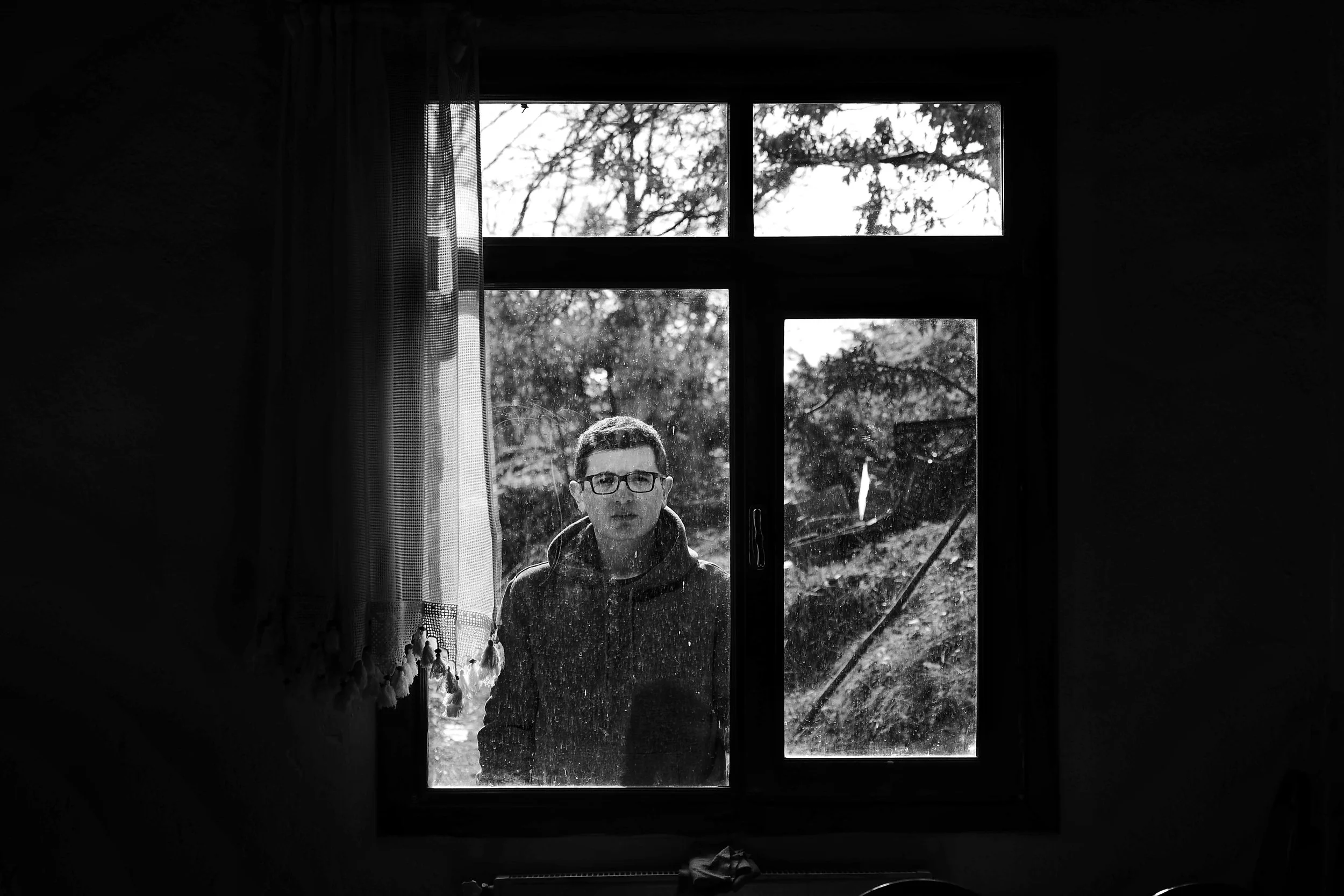
Alert, but not intruding: the watchman's whole discipline. Photo: ONUR KURT / Unsplash
“No one believes a word that isn’t backed by a life. When someone sees in another a joy, a freedom, or a peace they lack but long for, a glimmer of hope opens up that no amount of coercion could ever create. It is attraction, not argument, that takes the first step toward any real change.”
Julián Carrón - No one takes kindly to correction anymore. A different path is possible: attraction.
Today's readings circle around fraternal correction — a particularly thorny subject in our time. In the past, when people shared a common outlook on life and the values underpinning it, correcting one another came easily. That shared understanding no longer exists. We see it every day between parents and children, between teachers and young people, among coworkers and neighbors. Ours is a multicultural society, and no one takes kindly to being corrected. What prevails today is the defense of freedom, and it leaves little room for anyone to accept correction about what may look wrong to us.
We are more aware than people once were that access to the truth comes only through freedom. Nothing can be imposed against freedom — the most prized principle of our time. Any attempt at imposition is rejected out of hand. Must we conclude, then, that the correction the readings speak of is obsolete, and simply resign ourselves to the way things are? Should we stop caring about the good of others, even when we can see they are mistaken? Not at all. But do the difficulties in reaching the truth, the weight of widespread confusion, and people's refusal to accept anything imposed on them mean that the search for truth has vanished from their lives? No. On the contrary: we are left speechless at how many people, in all sorts of ways, still feel driven to look for the meaning of life.
The situation we are living in shows that the need to find a path that makes life worth living has not been erased. It is precisely this need that opens the door to welcoming, without imposition, what another person has to offer. Our task is to discover the best way to offer it freely to those still looking for a way out of their confusion.
And what way allows us to make a real contribution to others without their taking it as an infringement on their freedom? To live in front of them in the way each of us holds to be most fitting, most just, and most true. To let what we live on shine out before their eyes. How often we recognize this in our own experience: we feel drawn to the way certain people live. We would love to be as free as they are — free in exactly those circumstances where we feel suffocated. We would like to be as happy as those who face situations like ours and yet refuse to let complaint have the last word. When we see someone who manages to live without being crushed by the anxiety that so often hangs over our own lives, we find ourselves wanting that same freedom. This is what makes possible today what looks impossible. It is not a matter of imposing a truth from outside, but of offering something the other person can receive as a gift meant for them. And that can happen only if we have first experienced for ourselves that such a life brings something good. Saint Paul VI put his finger on this long ago: "Modern man listens more willingly to witnesses than to teachers, and if he does listen to teachers, it is because they are witnesses."
This is why Jesus starts with the personal relationship rather than with a general principle. It is in the relationship — even before any "speaking" — that we can show what makes life more fully life. This is the role of the prophet, whom the first reading calls a "watchman for the house of Israel." It is a call not to look away, and not to confuse respect for freedom with indifference to the fate of those around us. Anyone who truly loves another person cannot be indifferent to what becomes of them. Being a "watchman" does not mean policing anyone. It means keeping watch with affection, staying alert, letting our own life shine, and bearing witness in it to what we want to communicate to the people we say we love.
So we come back to the question we began with: what makes this vigilance possible without its turning into aggression? Only love. Saint Paul, in the Letter to the Romans we have just heard, points the way: "Owe nothing to anyone, except to love one another. Love is the fulfillment of the law."
To love truly means to offer a witness of life that awakens in the other the desire to live up to their own need for fullness, without settling for less. This is why letting what gives us life shine out remains the most workable path today. Not because it takes the place of words, but because a life lived "speaks" — and it moves us more than any word can. No one believes a word that isn't backed by a life. When someone sees in another a joy, a freedom, or a peace they lack but long for, a glimmer of hope opens up that no amount of coercion could ever create. It is attraction, not argument, that takes the first step toward any real change.
Notes not reviewed by the author
23rd Sunday in Ordinary Time — Year A
Notes from the Homily by Fr. Julián Carrón September 6, 2026
(First Reading: Ezekiel 33:7–9; Psalm 95; Second Reading: Romans 13:8–10; Gospel: Matthew 18:15–20)
-
Download
XXIII Domenica del Tempo Ordinario - Anno A
Appunti dall'omelia di don Julián Carrón
6 settembre 2026
(Prima lettura: Ez 33,1.7-9; Salmo 94 (95); Seconda lettura: Rm 13,8-10; Vangelo: Mt 18,15-20)
Le letture di oggi ruotano intorno alla correzione fraterna, un tema particolarmente complesso per il nostro presente. In passato, quando si condividevano l'impostazione della vita e i valori che la sostenevano, era più facile correggersi a vicenda. Oggi, questa condivisione non c'è più. Lo vediamo ogni giorno nel dialogo tra genitori e figli, tra educatori e ragazzi, tra colleghi di lavoro o vicini di casa. La nostra società è multiculturale e nessuno accetta di buon grado di essere corretto. Oggi prevale la difesa della libertà, che non permette all'altro di lasciarsi correggere in ciò che a noi può sembrare sbagliato.
Siamo più consapevoli, rispetto al passato, che l'accesso alla verità è possibile solo attraverso la libertà. Niente può essere imposto contro la libertà: il valore più stimato nel nostro tempo. Qualsiasi tentativo di imposizione viene rifiutato in partenza. Dobbiamo concludere che la correzione di cui parlano le letture è obsoleta e, quindi, arrenderci a questa evidenza? Dobbiamo disinteressarci del bene dell'altro, anche se vediamo che sbaglia? Per nulla. Ma tutte le difficoltà nel raggiungere la verità, il peso dello smarrimento diffuso, il fatto che non si voglia accettare alcuna imposizione, significano che la ricerca della verità è scomparsa dalla vita delle persone? No, anzi ci lascia senza parole il fatto che molti si sentano spinti, in modi diversi, a cercare un significato per la vita.
La situazione attuale documenta che il bisogno di trovare una strada che renda la vita degna di essere vissuta non è stato cancellato. È proprio questo bisogno che apre la crepa per accogliere, senza imposizione, il contributo di un altro. Bisogna scoprire qual è il modo migliore per offrirlo liberamente a chi è ancora alla ricerca di una via d'uscita dallo smarrimento.
E qual è la modalità che permette di offrire un reale contributo all'altro, senza che lo percepisca come un'aggressione alla sua libertà? Vivere davanti a lui nel modo che ciascuno ritiene più adeguato, più giusto, più vero. Far brillare, ai suoi occhi, ciò di cui abbiamo bisogno per vivere. Quante volte lo riconosciamo nella nostra esperienza: ci sentiamo attratti dal modo di vivere di alcune persone! Ci piacerebbe essere liberi come loro! Liberi in quella stessa circostanza in cui noi, invece, ci sentiamo soffocare. Desidereremmo essere felici come quelle persone che vivono situazioni simili alle nostre, ma non si lasciano determinare dal lamento. Ci piacerebbe non essere sopraffatti dall'ansia che spesso incombe sulla nostra vita, quando vediamo qualcuno che riesce a viverla senza esserne sopraffatto. Questo è ciò che oggi rende possibile ciò che sembra impossibile. Non si tratta di imporre una verità dall'esterno, ma di offrire un contributo che l'altro possa percepire come un dono per sé. Ma può accadere solo se prima si è sperimentato, in prima persona, che quella vita porta con sé qualcosa di buono. San Paolo VI l'aveva intuito tempo fa: «L'uomo contemporaneo diceva ascolta più volentieri i testimoni che i maestri. E se ascolta i maestri, lo fa perché sono dei testimoni».
Per questo motivo, Gesù parte dal rapporto personale e non dal principio generale. È nel rapporto che si può mostrare, prima ancora che nel "dire", ciò che rende la vita più vita. Questo è il ruolo del profeta, descritto nella prima lettura come «sentinella per la casa d'Israele». Un richiamo a non restare indifferenti e a non confondere il rispetto della libertà con l'indifferenza per il destino di chi ci sta accanto. Chi ama davvero qualcuno non può disinteressarsi del suo destino. Essere «sentinella» non significa controllare! Ma vegliare con affetto, essere desti, risplendere, testimoniare nella vita quello che vogliamo comunicare a chi diciamo di amare.
Ed ecco che ritorna la domanda con cui abbiamo iniziato: quale modalità rende possibile questa vigilanza senza che diventi aggressione? Solo amare. San Paolo, nella Lettera ai Romani che abbiamo ascoltato, indica la strada: «Non abbiate alcun debito con nessuno, se non quello di amarvi gli uni gli altri. L'amore è il pieno compimento della legge».
Amare veramente significa offrire una testimonianza di vita che risvegli nell'altro il desiderio di vivere all'altezza della sua esigenza di pienezza, senza accontentarsi di meno. È per questo che "far brillare" ciò che ci fa vivere resta la strada più percorribile oggi. Non perché sostituisca la parola, ma perché la vita vissuta "parla", muove più di qualsiasi parola. Nessuno crede a una parola che non sia sostenuta da una vita. Quando qualcuno vede in un altro una letizia, una libertà, una pace che lui non ha e che desidererebbe avere, si apre uno spiraglio che nessuna imposizione potrebbe aprire. È l'attrattiva, non l'argomentazione, il primo passo di ogni correzione.
Appunti non rivisti dall'autore
-
XXIII Domingo del Tiempo Ordinario — Año A Apuntes de la homilía de don Julián Carrón 6 de septiembre de 2026
(Primera lectura: Ez 33,7-9; Salmo 94; Segunda lectura: Rom 13,8-10; Evangelio: Mt 18,15-20)
Las lecturas de hoy giran en torno a la corrección fraterna, un tema especialmente espinoso en nuestros días. En el pasado, cuando se compartía una misma forma de enfocar la vida, junto con los valores que la sustentaban, era más fácil corregirse mutuamente. Hoy ese terreno común ya no existe. Lo vemos cada día en el diálogo entre padres e hijos, entre educadores y jóvenes, entre compañeros de trabajo o entre vecinos. Nuestra sociedad es multicultural y nadie acepta de buen grado que lo corrijan. Hoy prevalece la defensa de la libertad, y eso hace que el otro no se deje corregir en aquello que a nosotros nos puede parecer equivocado.
Somos más conscientes que en el pasado de que el acceso a la verdad solo es posible a través de la libertad. Nada puede imponerse contra la libertad: el valor más apreciado de nuestro tiempo. Cualquier intento de imposición se rechaza de plano. ¿Debemos concluir que la corrección de la que hablan las lecturas ha quedado obsoleta? ¿Debemos, por tanto, rendirnos ante la evidencia? ¿Debemos dejar de preocuparnos por el bien del otro, aun cuando veamos que se equivoca? En absoluto. Pero todas las dificultades para alcanzar la verdad, el peso de la desorientación generalizada y el rechazo a cualquier imposición, ¿significan que la búsqueda de la verdad ha desaparecido de la vida de las personas? No. Al contrario: nos deja sin palabras que tantos se sientan impulsados, de mil maneras, a buscar un sentido a la vida.
La situación actual demuestra que no ha desaparecido la necesidad de encontrar un camino que haga que la vida merezca la pena. Es precisamente esta necesidad la que abre una rendija para acoger, sin imposiciones, la aportación de otra persona. Hay que descubrir cuál es la mejor manera de ofrecerla libremente a quien aún busca una salida a la desorientación.
¿Y cuál es la forma que permite ofrecer una contribución real al otro, sin que este la perciba como una agresión a su libertad? Vivir ante él de la manera que cada uno considere más adecuada, más justa, más verdadera. Hacer brillar, ante sus ojos, aquello que necesitamos para vivir. ¡Cuántas veces lo reconocemos en nuestra experiencia! Nos sentimos atraídos por la forma de vivir de algunas personas. ¡Nos gustaría ser tan libres como ellas! Libres en esa misma circunstancia en la que nosotros, en cambio, nos sentimos asfixiados. Nos gustaría ser tan felices como esas personas que viven situaciones similares a las nuestras y, sin embargo, no se dejan arrastrar por la queja. Cuando vemos a alguien que consigue vivir sin dejarse vencer por la ansiedad que a menudo se cierne sobre nuestra vida, nos gustaría no sentirnos abrumados por ella. Esto es lo que hoy hace posible lo que parece imposible. No se trata de imponer una verdad desde fuera, sino de ofrecer una aportación que el otro pueda percibir como un regalo para sí mismo. Pero esto solo puede suceder si antes se ha experimentado, en primera persona, que esa vida trae consigo algo bueno. San Pablo VI ya lo intuyó hace tiempo: «El hombre contemporáneo —decía— escucha más a gusto a los que dan testimonio que a los que enseñan, o si escucha a los que enseñan, es porque dan testimonio».
Por este motivo, Jesús parte de la relación personal y no de un principio general. Es en la relación donde se puede mostrar, incluso antes del «decir», lo que hace que la vida sea más vida. Este es el papel del profeta, descrito en la primera lectura como «centinela de la casa de Israel». Es un llamamiento a no mirar hacia otro lado y a no confundir el respeto a la libertad con la indiferencia ante el destino de quienes nos rodean. Quien ama de verdad a alguien no puede desentenderse de su destino. Ser «centinela» no significa controlar, sino velar con afecto, estar despierto, resplandecer y dar testimonio con la vida de lo que queremos comunicar a quienes decimos amar.
Y así volvemos a la pregunta con la que empezábamos: ¿qué forma hace posible esta vigilancia sin que se convierta en agresión? Solo amar. San Pablo, en la Carta a los Romanos que acabamos de escuchar, nos indica el camino: «A nadie le debáis nada, más que el amor mutuo […]. La plenitud de la ley es el amor».
Amar de verdad significa ofrecer un testimonio de vida que despierte en el otro el deseo de vivir a la altura de su necesidad de plenitud, sin conformarse con menos. Por eso, «hacer brillar» aquello que nos hace vivir sigue siendo el camino más viable hoy en día. No porque sustituya a la palabra, sino porque la vida vivida «habla» —y conmueve más que cualquier palabra—. Nadie cree en una palabra que no esté respaldada por una vida. Cuando alguien ve en otro una alegría, una libertad, una paz que él no tiene y que desearía tener, se abre una rendija que ninguna imposición habría logrado forzar. Es el atractivo, no el argumento, el primer paso de toda corrección.
Apuntes no revisados por el autor
-
XXIIIe dimanche du temps ordinaire – Année A
Notes tirées de l’homélie de don Julián Carrón
6 septembre 2026
(Première lecture : Ez 33,1.7-9 ; Psaume 94 (95) ; Deuxième lecture : Rm 13,8-10 ; Évangile : Mt 18,15-20)
Les lectures d’aujourd’hui s’articulent autour de la correction fraternelle, un thème particulièrement complexe dans notre réalité actuelle. Autrefois, lorsque l’on partageait la même conception de la vie et les valeurs qui la sous-tendaient, il était plus facile de se corriger mutuellement. Aujourd’hui, ce partage n’existe plus. Nous le constatons chaque jour dans le dialogue entre parents et enfants, entre éducateurs et jeunes, entre collègues de travail ou voisins. Notre société est multiculturelle et personne n’accepte volontiers d’être corrigé. Aujourd’hui, c’est la défense de la liberté qui prévaut, ce qui ne permet pas à l’autre de se laisser corriger sur ce qui peut nous sembler erroné.
Nous sommes plus conscients qu’autrefois que l’accès à la vérité n’est possible que par la liberté. Rien ne peut être imposé contre la liberté : la valeur la plus prisée de notre époque. Toute tentative d’imposition est rejetée d’emblée. Devons-nous en conclure que la correction dont parlent les lectures est obsolète et, par conséquent, nous résigner à cette évidence ? Devons-nous nous désintéresser du bien de l’autre, même si nous voyons qu’il se trompe ? Pas du tout. Mais toutes les difficultés à atteindre la vérité, le poids de la désorientation généralisée, le fait que l’on ne veuille accepter aucune imposition, signifient-ils que la recherche de la vérité a disparu de la vie des gens ? Non, au contraire, nous laisse sans voix le fait que beaucoup se sentent poussés, de différentes manières, à chercher un sens à la vie.
La situation actuelle montre que le besoin de trouver une voie qui rende la vie digne d’être vécue n’a pas disparu. C’est précisément ce besoin qui ouvre une brèche permettant d’accueillir, sans imposition, l’apport d’autrui. Il faut découvrir quelle est la meilleure manière de l’offrir librement à ceux qui sont encore à la recherche d’une issue à leur désarroi.
Et quelle est la manière qui permet d’apporter une réelle contribution à l’autre, sans qu’il la perçoive comme une atteinte à sa liberté ? Vivre devant lui de la manière que chacun juge la plus appropriée, la plus juste, la plus vraie. Faire resplendir, à ses yeux, ce dont nous avons besoin pour vivre. Combien de fois le constatons-nous dans notre expérience : nous nous sentons attirés par le mode de vie de certaines personnes ! Nous aimerions être libres comme elles ! Libres dans cette même situation où, au contraire, nous nous sentons étouffés. Nous aimerions être heureux comme ces personnes qui vivent des situations similaires aux nôtres, mais qui ne se laissent pas dominer par la complainte. Nous aimerions ne pas être submergés par l’angoisse qui pèse souvent sur notre vie, quand nous voyons quelqu’un qui parvient à la vivre sans en être accablé. C’est cela qui rend aujourd’hui possible ce qui semble impossible. Il ne s’agit pas d’imposer une vérité de l’extérieur, mais d’offrir une contribution que l’autre puisse percevoir comme un don pour lui-même. Mais cela ne peut se produire que si l’on a d’abord expérimenté, à titre personnel, que cette vie apporte quelque chose de bon. Saint Paul VI l’avait pressenti il y a longtemps : « L’homme contemporain, disait-il, écoute plus volontiers les témoins que les maîtres. Et s’il écoute les maîtres, c’est parce qu’ils sont des témoins ».
C’est pour cette raison que Jésus part de la relation personnelle et non d’un principe général. C’est dans la relation que l’on peut montrer, avant même de « dire », ce qui rend la vie plus vivante. Tel est le rôle du prophète, décrit dans la première lecture comme « une sentinelle pour la maison d’Israël ». Un appel à ne pas rester indifférent et à ne pas confondre le respect de la liberté avec l’indifférence face au sort de ceux qui nous sont proches. Celui qui aime vraiment quelqu’un ne peut se désintéresser de son sort. Être « sentinelle » ne signifie pas contrôler ! Mais veiller avec affection, être vigilant, rayonner, témoigner par sa vie de ce que nous voulons communiquer à ceux que nous disons aimer.
Et voici que revient la question par laquelle nous avons commencé : quelle manière rend possible cette vigilance sans qu’elle devienne une agression ? Seulement l’amour. Saint Paul, dans la Lettre aux Romains que nous avons entendue, indique la voie : « Ne devez rien à personne, si ce n’est de vous aimer les uns les autres. L’amour est l’accomplissement parfait de la loi. »
Aimer véritablement, c’est offrir un témoignage de vie qui éveille chez l’autre le désir de vivre à la hauteur de son besoin de plénitude, sans se contenter de moins. C’est pourquoi « faire rayonner » ce qui nous fait vivre reste aujourd’hui la voie la plus praticable. Non pas parce que cela remplace la parole, mais parce que la vie vécue « parle », elle touche davantage que n’importe quelle parole. Personne ne croit à une parole qui n’est pas étayée par une vie. Quand quelqu’un voit chez autrui une joie, une liberté, une paix qu’il n’a pas et qu’il aimerait avoir, cela ouvre une brèche qu’aucune contrainte ne pourrait ouvrir. C’est l’attrait, et non l’argumentation, qui constitue le premier pas de toute correction.
Notes non relues par l’auteur
