Called by Name
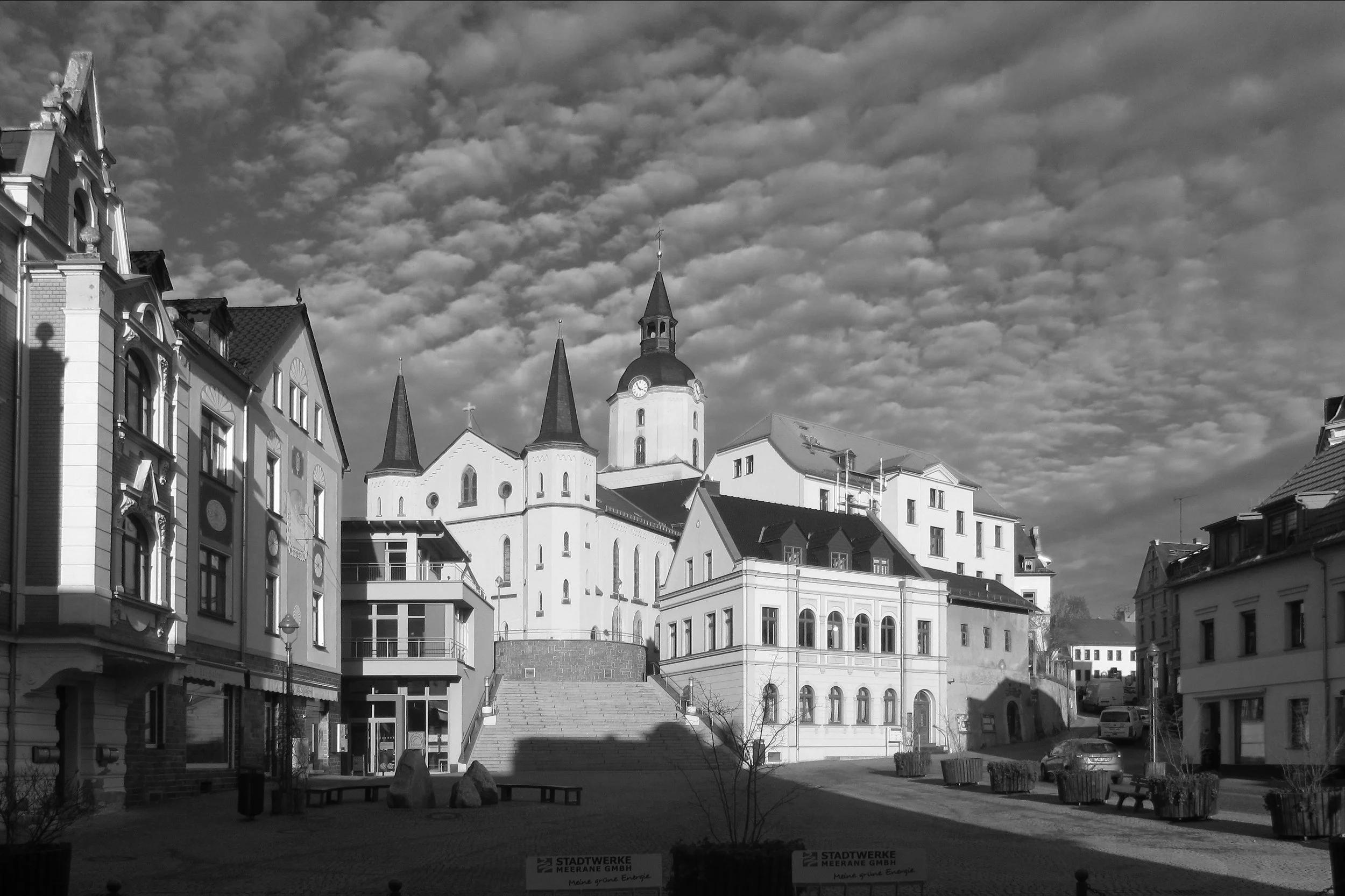
The town square where laborers wait: the crossroads between entitlement, envy, and the landowner’s generosity.
“If we don’t want to play the master, there’s only one way: to hear Him call us by name. Everything else comes after.”
Simone Riva - The first workers grumble, and the landowner names their envy. Which ones are we?
"'Why do you stand here idle all day?' They answered, 'Because no one has hired us'" (Mt 20:6–7). It can be risky, and it can cause trouble, to entrust the work to latecomers when others have been at it since morning. The landowner in the parable, though, goes too far: he pays the last the same as the first. It isn't fair. It breaks every rule of labor relations. It ignores everything the first workers endured and the last did not. Sure enough, the protest comes at once: "These last ones worked only one hour, and you have made them equal to us, who bore the day's burden and the heat" (Mt 20:12).
There isn't a trace of gratitude for having been chosen and hired, not a word of thanks for the chance to spend the day differently. The reasons to grumble instantly outweigh the reasons to give thanks. But the landowner doesn't budge. He calls the root of the complaint by name: envy. "Am I not free to do as I wish with my own money? Are you envious because I am generous?" (Mt 20:15).
The envy isn't really about the last workers getting the same pay as the first. It's about the landowner's goodness. The grumbling, then, is only a symptom; the real disease lies elsewhere. Here we see the ancient rivalry that man never stops nursing against his Creator.
When we refuse to accept our original dependence, when we bank on our own self-sufficiency, when we think everything is owed to us, we throw the door wide open to that strange envy. It eats away even at our bond with the One who thought of us, wanted us, and called us at the dawn of life, entrusting His vineyard to us.
So the first workers give in to the temptation to become masters themselves. We see it happen often enough among ourselves, too: where we live, in the communities we belong to, in every corner of social life.
Those who have made themselves masters will never go out "at dawn to hire laborers for his vineyard." Instead, they'll organize to take ever more possession of it. Jesus describes this very attitude a little later in Matthew's Gospel: "When vintage time drew near, he sent his servants to the tenants to obtain his produce. But the tenants seized the servants and one they beat, another they killed, and a third they stoned. Again he sent other servants, more numerous than the first ones, but they treated them in the same way. Finally, he sent his son to them, thinking, 'They will respect my son.' But when the tenants saw the son, they said to one another, 'This is the heir. Come, let us kill him and acquire his inheritance.' They seized him, threw him out of the vineyard, and killed him" (Mt 21:34–39).
These scenes may seem remote and exaggerated, but we live in the middle of them every day. The kingdom of heaven exists so that the last may become first. When that order breaks down, the season of possession begins. It can happen for many reasons. Sometimes the first forget that they were once the last. Sometimes the last don't realize what task they've been given. Either way, it happens because we forget how the grace of faith happens.
Pope Leo XIV made the same point last Friday in his address to the Diocese of Rome's assembly: "This is how we encounter Jesus Christ: by feeling Him call us by name, in the many ways this can happen. This is where every pastoral initiative must begin: not so much by asking 'what' to do, but rather 'whom' and 'how' to encounter. In our communities, one can remain anonymous, invisible, and misunderstood, or be seen, known, and called by name. And those who truly encounter Christ, like Mary Magdalene, feel their hearts filled, and so they cannot stand still; they run and go forth to proclaim. 'I have seen the Lord!' the woman says to the disciples. Not a memory, not a private event, but a profound joy that gives birth to community."
If we don't want to play the master, there's only one way: to hear Him call us by name. Everything else comes after.
-
Chiamati per nome
Simone Riva
O padroni, o servi: ma servi di Dio, non degli uomini. Nella parabola dei vignaioli e del trattamento diseguale l'ingiustizia è quella dei nostri criteri
“‘Perché ve ne state qui tutto il giorno senza far niente?’. Gli risposero: ‘Perché nessuno ci ha presi a giornata’” (Mt 20, 6-7). Può essere un rischio, può creare problemi fidarsi degli ultimi arrivati perché vadano a lavorare dove già altri erano all’opera prima di loro. Il padrone della parabola, però, esagera: paga gli ultimi come i primi. Non è giusto, viola qualsiasi tipo di accordo sindacale, non tiene conto di tutto quello che i primi hanno patito a differenza degli ultimi. Infatti scatta subito la protesta: “Questi ultimi hanno lavorato un’ora soltanto e li hai trattati come noi, che abbiamo sopportato il peso della giornata e il caldo” (Mt 20,12).
Non c’è traccia di gratitudine per essere stati scelti e ingaggiati, non una parola di riconoscenza per aver avuto la possibilità di passare diversamente quella giornata. I motivi per mormorare vincono subito sulle ragioni per cui ringraziare. Il padrone, però, non fa una piega e chiama per nome il tarlo del lamento: invidia. “Non posso fare delle mie cose quello che voglio? Oppure tu sei invidioso perché io sono buono?” (Mt 20,15).
Invidia non perché gli ultimi hanno preso la stessa paga dei primi, ma per la bontà del padrone, lasciando intendere che la mormorazione è solo un indizio e che la vera malattia va cercata altrove. È così descritta l’antica rivalità che l’uomo non cessa di assecondare nei confronti del Creatore. Quando non si accetta la dipendenza originale, quando ci si affida all’autosufficienza, quando crediamo che tutto ci sia dovuto, si spalancano le porte a quella strana invidia che corrode persino il legame con Colui che ci ha pensati, voluti, chiamati all’alba della vita, affidandoci la sua vigna.
I primi vengono così raggiunti dalla tentazione di essere loro i padroni, come spesso vediamo accadere anche tra di noi, nei luoghi in cui viviamo, nelle comunità che frequentiamo, nei vari ambiti della vita sociale in cui ci muoviamo. I primi diventati padroni non usciranno mai “all’alba per prendere a giornata lavoratori per la vigna”, piuttosto si organizzeranno per impossessarsene sempre di più, atteggiamento che Cristo descriverà poco dopo: “Quando fu il tempo dei frutti, [il padrone della vigna] mandò i suoi servi da quei vignaioli a ritirare il raccolto. Ma quei vignaioli presero i servi e uno lo bastonarono, l’altro lo uccisero, l’altro lo lapidarono. Di nuovo mandò altri servi più numerosi dei primi, ma quelli si comportarono nello stesso modo. Da ultimo mandò loro il proprio figlio dicendo: Avranno rispetto di mio figlio! Ma quei vignaioli, visto il figlio, dissero tra sé: Costui è l’erede; venite, uccidiamolo, e avremo noi l’eredità. E, presolo, lo cacciarono fuori della vigna e l’uccisero” (Mt 21, 34-39).
Forse ci sembrano scenari lontani e dai toni esagerati, ma ci siamo immersi quotidianamente. Il regno dei cieli è fatto perché gli ultimi divengano primi. Perciò, quando questo ordine non viene assecondato, si apre il tempo del possesso. E può accadere per varie ragioni. Talvolta perché i primi non ricordano di essere stati ultimi, altre volte perché gli ultimi non hanno coscienza del loro compito, in ogni caso perché ci si dimentica come accade la grazia della fede.
L’ha ribadito papa Leone in un passaggio del suo intervento all’assemblea diocesana di Roma venerdì scorso: “È così che si incontra Gesù Cristo: sentendosi chiamare per nome da Lui, nei molti modi in cui ciò può avvenire. È da qui che deve ripartire ogni azione pastorale: non tanto chiedendosi ‘che cosa’ fare, ma piuttosto ‘chi’ e ‘come’ incontrare. Nelle nostre comunità si può rimanere anonimi, invisibili e incompresi, oppure essere visti, conosciuti e chiamati per nome. E chi incontra davvero Cristo, come Maria di Magdala, sente riempirsi il cuore e allora non può restare fermo, corre e va ad annunciare. ‘Ho visto il Signore!’, dice la donna ai discepoli. Non un ricordo, non un fatto privato, ma una gioia profonda che genera comunità”.
Per non recitare la parte dei padroni non c’è altra strada se non quella di sentire il nostro nome pronunciato da Lui. Tutto il resto viene dopo.
-
Llamados por su nombre
Simone Riva
O amos, o siervos: pero siervos de Dios, no de los hombres. En la parábola de los labradores y el trato desigual, la injusticia radica en nuestros criterios
«“¿Por qué estáis aquí todo el día sin hacer nada?”. Ellos le respondieron: «Porque nadie nos ha contratado para ese día»» (Mt 20, 6-7). Puede ser un riesgo, puede crear problemas confiar en los últimos en llegar para que vayan a trabajar donde otros ya estaban trabajando antes que ellos. El amo de la parábola, sin embargo, se excede: paga a los últimos igual que a los primeros. No es justo, incumple cualquier tipo de convenio colectivo, no tiene en cuenta todo lo que los primeros han sufrido, a diferencia de los últimos. De hecho, la protesta no se hace esperar: «Estos últimos solo han trabajado una hora y los has tratado como a nosotros, que hemos soportado el peso de la jornada y el calor» (Mt 20,12).
No hay ni rastro de gratitud por haber sido elegidos y contratados, ni una sola palabra de agradecimiento por haber tenido la oportunidad de pasar ese día de otra manera. Los motivos para murmurar prevalecen de inmediato sobre las razones para dar las gracias. El dueño, sin embargo, no se inmuta y llama por su nombre a la lacra de la queja: la envidia. «¿Acaso no puedo hacer lo que quiera con lo mío? ¿O es que estás envidioso porque yo soy bueno?» (Mt 20,15).
Envidia no porque los últimos hayan recibido el mismo salario que los primeros, sino por la bondad del amo, lo que da a entender que la murmuración es solo un indicio y que la verdadera enfermedad hay que buscarla en otra parte. Así se describe la antigua rivalidad que el hombre no deja de alimentar frente al Creador. Cuando no se acepta la dependencia original, cuando se confía en la autosuficiencia, cuando creemos que todo nos es debido, se abren de par en par las puertas a esa extraña envidia que corroe incluso el vínculo con Aquel que nos pensó, nos quiso y nos llamó en los albores de la vida, confiándonos su viña.
A los primeros les asalta así la tentación de convertirse ellos mismos en dueños, como a menudo vemos que ocurre también entre nosotros, en los lugares donde vivimos, en las comunidades que frecuentamos, en los diversos ámbitos de la vida social en los que nos movemos. Los primeros, convertidos en amos, nunca saldrán «al amanecer a contratar jornaleros para la viña», sino que se organizarán para adueñarse cada vez más de ella, una actitud que Cristo describirá poco después: «Cuando llegó el tiempo de la cosecha, [el dueño de la viña] envió a sus siervos a esos labradores para recoger la cosecha. Pero aquellos labradores se apoderaron de los siervos; a uno lo golpearon con palos, a otro lo mataron y a otro lo apedrearon. De nuevo envió a otros siervos, más numerosos que los primeros, pero aquellos se comportaron de la misma manera. Por último, les envió a su propio hijo, diciendo: «¡A mi hijo le respetarán!». Pero aquellos labradores, al ver al hijo, se dijeron entre sí: «Este es el heredero; venid, matémoslo, y la herencia será nuestra». Y, tras apresarlo, lo echaron fuera de la viña y lo mataron» (Mt 21, 34-39).
Quizá nos parezcan situaciones lejanas y con tonos exagerados, pero estamos inmersos en ellas a diario. El reino de los cielos está hecho para que los últimos se conviertan en los primeros. Por eso, cuando no se respeta este orden, se abre la era de la posesión. Y esto puede suceder por diversas razones. A veces porque los primeros no recuerdan que han sido los últimos; otras veces porque los últimos no son conscientes de su tarea; en cualquier caso, porque se olvida cómo se manifiesta la gracia de la fe.
Así lo reiteró el papa León en un pasaje de su intervención ante la asamblea diocesana de Roma el pasado viernes: «Así es como se encuentra a Jesucristo: sintiéndose llamado por Él por su nombre, de las muchas formas en que esto puede suceder. De ahí debe partir toda acción pastoral: no tanto preguntándose “qué” hacer, sino más bien “a quién” y “cómo” encontrar. En nuestras comunidades se puede permanecer en el anonimato, ser invisibles e incomprendidos, o bien ser vistos, conocidos y llamados por nuestro nombre. Y quien encuentra verdaderamente a Cristo, como María Magdalena, siente cómo se le llena el corazón y entonces no puede quedarse quieto, corre y va a anunciarlo. «¡He visto al Señor!», dice la mujer a los discípulos. No es un recuerdo, ni un hecho privado, sino una alegría profunda que genera comunidad».
Para no actuar como amos, no hay otro camino que el de sentir cómo Él pronuncia nuestro nombre. Todo lo demás viene después.
-
Appelés par leur nom
Simone Riva
Que ce soit en tant que maîtres ou en tant que serviteurs : mais serviteurs de Dieu, et non des hommes. Dans la parabole des vignerons et du traitement inégal, l’injustice réside dans nos propres critères
« “Pourquoi restez-vous ici toute la journée sans rien faire ?” Ils lui répondirent : « Parce que personne ne nous a embauchés pour la journée » (Mt 20, 6-7). Faire confiance aux derniers arrivés pour qu’ils aillent travailler là où d’autres étaient déjà à l’œuvre avant eux peut être risqué et poser des problèmes. Le maître de la parabole, cependant, va trop loin : il paie les derniers comme les premiers. Ce n’est pas juste, cela enfreint tout accord syndical, cela ne tient pas compte de tout ce que les premiers ont enduré, contrairement aux derniers. En effet, la protestation ne tarde pas à éclater : « Ces derniers n’ont travaillé qu’une heure, et tu les as traités comme nous, qui avons supporté le poids de la journée et la chaleur » (Mt 20, 12).
Il n’y a aucune trace de gratitude d’avoir été choisis et engagés, pas un mot de reconnaissance d’avoir eu la possibilité de passer cette journée autrement. Les motifs de murmures l’emportent aussitôt sur les raisons de remercier. Le maître, cependant, ne bronche pas et nomme clairement le ver de la plainte : l’envie. « Ne puis-je pas faire de mes biens ce que je veux ? Ou bien es-tu envieux parce que je suis bon ? » (Mt 20, 15).
Envie, non pas parce que les derniers ont reçu le même salaire que les premiers, mais à cause de la bonté du maître, laissant entendre que le murmure n’est qu’un indice et que le véritable mal se trouve ailleurs. C’est ainsi que se présente l’ancienne rivalité que l’homme ne cesse d’entretenir à l’égard du Créateur. Lorsque l’on n’accepte pas la dépendance originelle, lorsque l’on se fie à l’autosuffisance, lorsque l’on croit que tout nous est dû, on ouvre grand les portes à cette étrange envie qui ronge même le lien avec Celui qui nous a pensés, voulus, appelés à l’aube de la vie, en nous confiant sa vigne.
Les premiers sont ainsi pris par la tentation de se poser eux-mêmes en maîtres, comme nous le voyons souvent se produire parmi nous aussi, dans les lieux où nous vivons, dans les communautés que nous fréquentons, dans les différents domaines de la vie sociale où nous évoluons. Ces premiers, devenus maîtres, ne sortiront jamais « à l’aube pour embaucher des ouvriers à la journée pour la vigne » ; au contraire, ils s’organiseront pour s’en emparer toujours davantage, une attitude que le Christ décrira peu après : « Lorsque vint le temps de la récolte, [le maître de la vigne] envoya ses serviteurs vers ces vignerons pour percevoir la récolte. Mais ces vignerons se saisirent des serviteurs : l’un fut roué de coups, l’autre tué, l’autre encore lapidé. Il envoya encore d’autres serviteurs, plus nombreux que les premiers, mais ceux-ci se comportèrent de la même manière. Enfin, il leur envoya son propre fils en disant : « Ils respecteront mon fils ! » Mais ces vignerons, voyant le fils, se dirent entre eux : « C’est l’héritier ; venez, tuons-le, et l’héritage sera à nous. » Et, s’étant emparés de lui, ils le chassèrent hors de la vigne et le tuèrent » (Mt 21, 34-39).
Ces scénarios nous semblent peut-être lointains et exagérés, mais nous y sommes plongés quotidiennement. Le royaume des cieux est fait pour que les derniers deviennent les premiers. C’est pourquoi, lorsque cet ordre n’est pas respecté, s’ouvre alors le temps de la possession. Et cela peut arriver pour diverses raisons. Parfois parce que les premiers oublient qu’ils ont été les derniers, d’autres fois parce que les derniers n’ont pas conscience de leur mission, en tout cas parce qu’on oublie comment s’opère la grâce de la foi.
Le pape Léon l’a réaffirmé dans un passage de son intervention à l’assemblée diocésaine de Rome vendredi dernier : « C’est ainsi qu’on rencontre Jésus-Christ : en se sentant appelé par son nom par Lui, de toutes les manières dont cela peut se produire. C’est de là que doit repartir toute action pastorale : non pas tant en se demandant « quoi » faire, mais plutôt « qui » et « comment » rencontrer. Dans nos communautés, on peut rester anonyme, invisible et incompris, ou bien être vu, connu et appelé par son nom. Et celui qui rencontre véritablement le Christ, comme Marie de Magdala, sent son cœur se remplir et ne peut alors rester immobile : il court et va annoncer la bonne nouvelle. « J’ai vu le Seigneur ! », dit la femme aux disciples. Ce n’est pas un souvenir, ni un fait privé, mais une joie profonde qui engendre la communauté. »
Pour ne pas jouer le rôle des maîtres, il n’y a pas d’autre voie que celle d’entendre notre nom prononcé par Lui. Tout le reste vient après.