Envious Because He Is Generous?
This is someone who cannot bear to see anyone shut out of life and work." — Fr. Julián Carrón
“He came back at noon, then at three, and even at five, because he did not want to leave anyone out of the gift of His company.”
Julián Carrón - The first hired weren't cheated. They got the whole day with Him.
"For my thoughts are not your thoughts, nor are your ways my ways." This Sunday's readings confront us with a distance so vast it stops us short. "As high as the heavens are above the earth, so high are my ways above your ways and my thoughts above your thoughts." This is obviously not a distance of geography. It is a distance of logic, of measure, of the heart. God does not think, count, or judge the way we do. Today's Gospel makes this plain through a parable that challenges us, if we really listen to it.
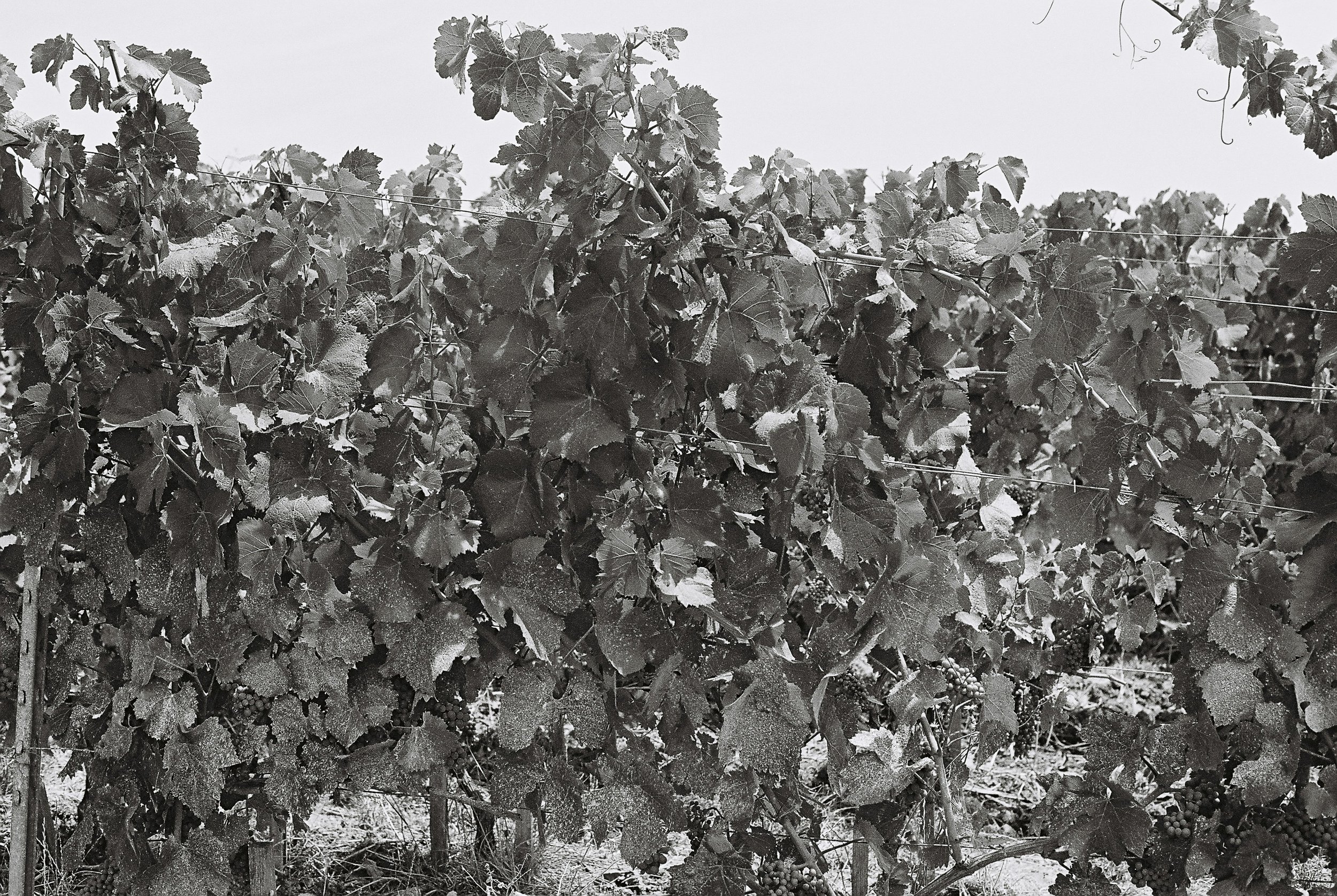
"The kingdom of heaven is like a landowner who went out at dawn to hire laborers for his vineyard." He agrees with the first group on a denarius, the usual daily wage. But he doesn't stop there. He goes back out at noon, at three o'clock, even at five, when the day is nearly over. He makes the same offer to everyone he finds still standing idle in the marketplace. This is no employer working out the bare minimum of labor he needs. This is someone who cannot bear to see anyone shut out of life and work. His care for those left without work already tells us something about the heart of God, before we ever get to payday.
Evening is when everything comes to light. Those who worked one hour receive a denarius. Those who worked since dawn expected more, and they receive the same. That's when the first-hour workers start to grumble: "You have made them equal to us, who bore the day's burden and the heat." Maybe we felt the same sting of injustice as we listened to the parable. The landowner answers them, and us: "My friend, I am not cheating you. Did you not agree with me for the usual daily wage? Take what is yours and go. What if I wish to give this last one the same as you? Or am I not free to do as I wish with my own money? Are you envious because I am generous?" There is no injustice here. The agreement with the first workers was honored to the letter. Did the landowner's generosity toward the others take away anything he had promised them? And yet there is an excess of goodness in the way God acts, one that goes beyond the distributive justice we're used to. That excess is exactly what scandalizes us.
If only we understood that His invitation is to live life with Him, to share in the newness of His presence, and to enjoy the fullness He offers us. How differently we would react! But those who were drawn in from the very beginning don't see the gift they've been given. They get to work, enjoy their time, and face the circumstances, twists and turns, and sufferings of life in His company. They could start from that awareness, full of gratitude for having spent the whole day in His presence. Instead, they complain because the last ones, too, have been invited to share in what they have enjoyed since morning.
Can we even imagine what life is like for someone who has not been touched by His presence? Only someone who has experienced the full newness of it, like St. Augustine, can say: "Late have I loved You, Beauty ever ancient, ever new, late have I loved You."¹ Whoever receives the gift of faith from the first hour of life is fortunate. Treated unfairly? Hardly! That person is privileged. If anyone should feel regret, it's the last ones, like Augustine, for missing the morning. But not even they could hold anything against the landowner. They would have been invited too, had they been there when he came. All they can do is be grateful to him, because he didn't forget them either. He came back at noon, then at three, and even at five, because he did not want to leave anyone out of the gift of His company.
In the second reading, St. Paul shows us the new logic Christ has brought into history. What experience of Christ must Paul have had to say, "For to me life is Christ"? For Paul, the real sorrow is living without Him. Not even everything he suffered for Christ makes him complain! So much for the day's burden and the heat. Think of all the hardships the apostle lists in his letters. What it really means for him that "life is Christ" becomes clear in the next phrase: "and death is gain." Only someone for whom the encounter with Christ has become a presence that fills life to the brim can overturn the ordinary human way of thinking about death. Paul has no doubt. His desire is "to depart this life and be with Christ, for that is far better" than anything else.
Each of us is invited to share in the newness Christ has brought, whatever the hour of the day or the stage of life when this Presence struck us. Then we can affirm in every circumstance: "Life is Christ." Everything else is too little.
¹ Augustine, Confessions X, 27.
25th Sunday in Ordinary Time - Year A - Notes from the homily by Fr. Julián Carrón September 20, 2026 (First Reading: Is 55:6–9; Psalm 144 (145); Second Reading: Phil 1:20c–24, 27a; Gospel: Mt 20:1–16)
Notes not reviewed by the author
-
-
XXV Domingo del Tiempo Ordinario - Año A
Apuntes de la homilía de don Julián Carrón
20 de septiembre de 2026
(Primera lectura: Is 55,6-9; Salmo 144 (145); Segunda lectura: Fil 1,20c-24.27a; Evangelio: Mt 20,1-16)
«Mis pensamientos no son vuestros pensamientos, ni vuestros caminos son mis caminos». Las lecturas de este domingo nos sitúan ante una distancia que impresiona por sus proporciones. «Tanto como el cielo se eleva sobre la tierra, así se elevan mis caminos sobre vuestros caminos, y mis pensamientos sobre vuestros pensamientos». No se trata, evidentemente, de una distancia geográfica, sino de lógica, de medida, de corazón. Dios no piensa, ni cuenta, ni juzga como nosotros. Y el Evangelio de hoy nos lo muestra con claridad a través de una parábola que, si la escuchamos con atención, nos desafía.
«El reino de los cielos se parece a un propietario que salió al amanecer a contratar jornaleros para su viña». Con los primeros acuerda un denario, el salario justo de una jornada de trabajo. Pero no se detiene ahí: vuelve al mediodía, a las tres e incluso a las cinco, cuando la jornada está a punto de terminar, y a quienes encuentra todavía parados en la plaza, sin trabajo, les dirige la misma invitación. No es un propietario que calcule la mano de obra mínima necesaria, sino alguien que no soporta ver a nadie excluido de la vida y del trabajo. La solicitud que muestra por quienes se han quedado sin trabajo ya dice algo del corazón de Dios, antes incluso de llegar a la hora de la paga.
Es al atardecer cuando todo sale a la luz. Quien ha trabajado una hora recibe un denario. Quien ha trabajado desde el amanecer esperaba recibir más y, en cambio, recibe la misma suma. En ese momento, los de la primera hora empiezan a murmurar: «Los has tratado como a nosotros, que hemos soportado el peso de la jornada y el calor». Quizá también nosotros, al escuchar la parábola, hayamos experimentado el mismo sentimiento de injusticia que aquellos trabajadores de la primera hora. El propietario les responde a ellos y a nosotros: «Amigo, no te hago ninguna injusticia. ¿No acordaste conmigo un denario? Toma lo tuyo y vete; pero yo quiero dar también a este último lo mismo que a ti. ¿Acaso no puedo hacer lo que quiera con lo mío? ¿O es que tienes envidia porque yo soy bueno?». No hay ninguna injusticia: el acuerdo con los primeros se ha cumplido al pie de la letra. ¿Acaso la generosidad del propietario con los demás ha mermado lo que se había prometido a los primeros? Sin embargo, hay en el modo de actuar de Dios un exceso de bondad que va más allá de la justicia distributiva a la que estamos acostumbrados, y es precisamente este exceso lo que escandaliza.
Si lográramos comprender que su invitación es a vivir la vida con Él, a participar de la novedad de su presencia y a gozar de la plenitud que nos ofrece, ¡quizá nuestra reacción sería muy distinta! Pero quienes han estado implicados desde el principio no se dan cuenta del don que supone poder trabajar, disfrutar del tiempo, afrontar las circunstancias, las vicisitudes y los sufrimientos de la vida en su compañía. En lugar de partir de esta conciencia llena de gratitud por haber pasado toda la jornada en su presencia, se quejan porque también los últimos han sido invitados a participar de lo que ellos han disfrutado desde la mañana.
¿Podemos imaginar cómo es la vida de quien no ha sido tocado por su presencia? Solo quien, como san Agustín, ha experimentado toda la novedad puede decir: «¡Tarde te amé, hermosura tan antigua y tan nueva, tarde te amé!»¹. Quien recibe el don de la fe desde la primera hora de la vida es afortunado. ¿Tratado injustamente? ¡Todo lo contrario! Es un privilegiado. En realidad, serían los últimos los que deberían lamentar, como Agustín, no haber participado desde primera hora. Pero ni siquiera ellos podrían reprocharle nada al propietario. También ellos habrían sido invitados si hubieran estado allí cuando él llegó. Solo pueden estarle agradecidos, porque tampoco se olvidó de ellos: volvió al mediodía, luego a las tres e incluso a las cinco, porque no quería excluir a nadie del don de su compañía.
En la segunda lectura, san Pablo ilustra la nueva lógica que Cristo ha introducido en la historia. ¿Qué experiencia ha tenido de la importancia de Cristo en su vida para llegar a decir: «Para mí, vivir es Cristo»? Para Pablo, la verdadera pena es vivir sin Él. ¡Ni siquiera todos los sufrimientos que tuvo que soportar por Cristo lo llevan a quejarse! Nada que ver con el peso de la jornada y el calor. Pensemos en todos los sufrimientos que el apóstol enumera en sus cartas. Pero lo que significa realmente que para él «vivir es Cristo» lo vemos en la frase siguiente: «Morir es ganancia». Solo quien ha hecho del encuentro con Cristo una presencia que llena la vida de plenitud puede trastocar el modo común de pensar en la muerte. Pablo no tiene ninguna duda: su deseo es «dejar esta vida para estar con Cristo, lo cual sería mucho mejor» que cualquier otra cosa.
Cada uno de nosotros está invitado —sea cual sea la hora del día y de la vida en que lo haya alcanzado esta Presencia— a participar de la novedad que ha traído Cristo, para poder afirmar en cualquier circunstancia: «Vivir es Cristo». Todo lo demás es demasiado poco.
¹ Agustín, Confesiones X, 27.
Apuntes no revisados por el autor
-
XXVe dimanche du temps ordinaire - Année A
Notes tirées de l’homélie de don Julián Carrón
20 septembre 2026
(Première lecture : Is 55,6-9 ; Psaume 144 (145) ; Deuxième lecture : Ph 1,20c-24.27a ; Évangile : Mt 20,1-16)
« Mes pensées ne sont pas vos pensées, et vos voies ne sont pas mes voies. » Les lectures de ce dimanche nous confrontent à un écart qui frappe par son ampleur. « Autant le ciel est élevé au-dessus de la terre, autant mes voies sont élevées au-dessus de vos voies, et mes pensées au-dessus de vos pensées. » Il ne s’agit évidemment pas d’un écart géographique, mais d’un écart de logique, de mesure, de cœur. Dieu ne pense pas, ne compte pas et ne juge pas comme nous. Et l’Évangile d’aujourd’hui nous le montre clairement à travers une parabole qui, si nous l’écoutons attentivement, nous interpelle.
« Le royaume des cieux est semblable à un maître de maison qui est sorti à l’aube pour embaucher des ouvriers pour sa vigne. » Il s’accorde avec les premiers sur un denier, le juste salaire pour une journée de travail. Mais il ne s’arrête pas là : il revient à midi, à trois heures et même à cinq heures, alors que la journée touche à sa fin, et à ceux qu’il trouve encore sans emploi et immobiles sur la place, il adresse la même invitation. Ce n’est pas un maître qui calcule le minimum de main-d’œuvre nécessaire, mais quelqu’un qui ne supporte pas de voir quelqu’un exclu de la vie et du travail. La sollicitude dont il fait preuve envers ceux qui se sont retrouvés sans travail en dit déjà long sur le cœur de Dieu, avant même d’en arriver au moment du paiement.
C’est le soir que tout se révèle. Ceux qui ont travaillé une heure reçoivent un denier. Ceux qui ont travaillé depuis l’aube s’attendaient à recevoir davantage, mais reçoivent au contraire la même somme. À ce moment-là, ceux de la première heure se mettent à murmurer : « Tu les as traités comme nous, qui avons supporté le poids de la journée et la chaleur. » Peut-être avons-nous nous aussi, en écoutant cette parabole, éprouvé le même sentiment d’injustice que ces ouvriers de la première heure. Le maître leur répond, ainsi qu’à nous : « Mon ami, je ne te fais pas de tort. N’as-tu pas convenu avec moi d’un denier ? Prends ce qui te revient et va-t’en ; mais je veux donner à ce dernier autant qu’à toi. Ne puis-je pas faire de mes biens ce que je veux ? Ou bien es-tu envieux parce que je suis bon ? ». Il n’y a aucune injustice : le pacte avec les premiers a été respecté jusqu’au bout. La générosité du maître envers les autres a-t-elle peut-être réduit ce qui leur avait été promis ? Il y a cependant un excès de bonté dans la manière d’agir de Dieu qui va au-delà de la justice distributive à laquelle nous sommes habitués, et c’est précisément cet excès qui provoque le scandale.
Si nous parvenions à comprendre que Son invitation est celle de vivre la vie avec Lui, de participer à la nouveauté de Sa présence et de jouir de la plénitude qu’Il nous offre, peut-être que notre réaction serait bien différente ! Mais ceux qui ont été impliqués dès le début ne se rendent pas compte du don que représente le fait de pouvoir travailler, profiter du temps, affronter les circonstances, les vicissitudes et les souffrances de la vie en Sa compagnie. Au lieu de partir de cette prise de conscience empreinte de gratitude, pour avoir passé toute la journée en Sa présence, ils se plaignent parce que même les derniers ont été invités à participer à ce dont ils ont joui depuis le matin.
Pouvons-nous imaginer ce qu’est la vie de ceux qui n’ont pas été touchés par Sa présence ? Seuls ceux qui, comme saint Augustin, ont fait l’expérience de toute cette nouveauté peuvent dire : « Je T’ai aimé tard, beauté si ancienne et si nouvelle, je T’ai aimé tard »1. Ceux qui reçoivent le don de la foi dès la première heure de leur vie ont de la chance. Loin d’être traité injustement ! C’est un privilégié. En réalité, ce sont les derniers qui devraient éprouver du regret, comme Augustin, de ne pas avoir participé dès le matin. Mais eux non plus ne pourraient rien reprocher au maître. Eux aussi auraient été invités s’ils s’étaient trouvés sur place à l’arrivée du maître. Ils ne peuvent que lui être reconnaissants, car il ne les a pas oubliés non plus : il est revenu à midi, puis à trois heures et même à cinq heures, car il ne voulait exclure personne du don de Sa compagnie.
Dans la deuxième lecture, saint Paul illustre la nouvelle logique que le Christ a introduite dans l’histoire. Quelle expérience a-t-il faite de l’importance du Christ dans sa vie pour en arriver à dire : « Pour moi, vivre, c’est le Christ » ? Pour Paul, le véritable chagrin est de vivre sans Lui. Même toutes les souffrances qu’il a dû endurer pour le Christ ne l’amènent pas à se plaindre ! Et encore moins le poids de la journée et la chaleur. Pensons à toutes les souffrances que l’apôtre énumère dans ses lettres. Mais que signifie vraiment, pour lui, que « vivre, c’est le Christ » ? Nous le voyons dans la phrase suivante : « Mourir est un gain ». Seul celui qui a fait de la rencontre avec le Christ une présence qui comble sa vie de plénitude peut bouleverser la manière humaine courante de penser à la mort. Paul n’a aucun doute : son désir est « de quitter cette vie pour être avec le Christ, ce qui serait de loin préférable » à toute autre chose.
____________________
1 Augustin, Confessions X, 27.
Chacun de nous est invité, quelle que soit l’heure du jour et de la vie où il a été touché par cette Présence, à participer à la nouveauté apportée par le Christ, afin de pouvoir affirmer en toute circonstance : « Vivre, c’est le Christ ». Tout le reste est bien peu.
Notes non révisées par l’auteur
