Remaining Children
That is the beauty of remaining children: always willing, even amid every possible betrayal, to let reality touch us." — Simone Riva
“We can spend years with the greatest things right before our eyes, caught up in the most challenging circumstances, and still fail to notice anything. Filled with everything we think we know, we have no room left for wonder.”
Simone Riva - Remaining Children and Reopening Our Eyes
Sinners carry within them a wound that those who consider themselves perfect believe they do not have. Awareness of this wound awakens a new sense of wonder within us.
“Seeing is believing,” as the saying goes. But perhaps that is not enough: “Amen, I say to you, tax collectors and prostitutes are entering the kingdom of God before you. When John came to you in the way of righteousness, you did not believe him; but tax collectors and prostitutes did. Yet even when you saw that, you did not later change your minds and believe him” (Mt 21:31–32). We can spend years with the greatest things right before our eyes, caught up in the most challenging circumstances, and still fail to notice anything. Filled with everything we think we know, we have no room left for wonder.
Tax collectors and prostitutes carry a wound within them—one that Peter, too, will bear: betrayal. The tax collectors betrayed their own people by agreeing to become accomplices of the Romans in the most odious task in the world: collecting taxes. Prostitutes, on the other hand, must come to terms with a betrayal they have almost always suffered rather than committed—the betrayal of their loved ones—which leaves them even more vulnerable. Jesus reveals that these two groups are on the fast track into the kingdom of God because, though they saw the same things and heard the same words, they believed.
What, then, was missing that left the chief priests and elders of the people counted among the unbelievers? The awareness that they, too, were traitors. These men find themselves in a delicate position. They had read all the texts, studied all the prophecies, and memorized all the teachings, but they had not used any of it to put a name to what was happening before their very eyes. In the name of tradition, they had betrayed it.
Pope Francis spoke of them this way: “To them in a particular way God entrusted his ‘dream,’ his people, for them to nurture, tend and protect from the animals of the field. This is the job of leaders: to nurture the vineyard with freedom, creativity and hard work” (homily, October 5, 2014). Three bold qualities that, realistically speaking, we see in action only in the Trinity. Paradoxically, however, it is precisely because of this divine uniqueness that we can recognize them at once when we encounter them in everyday life.
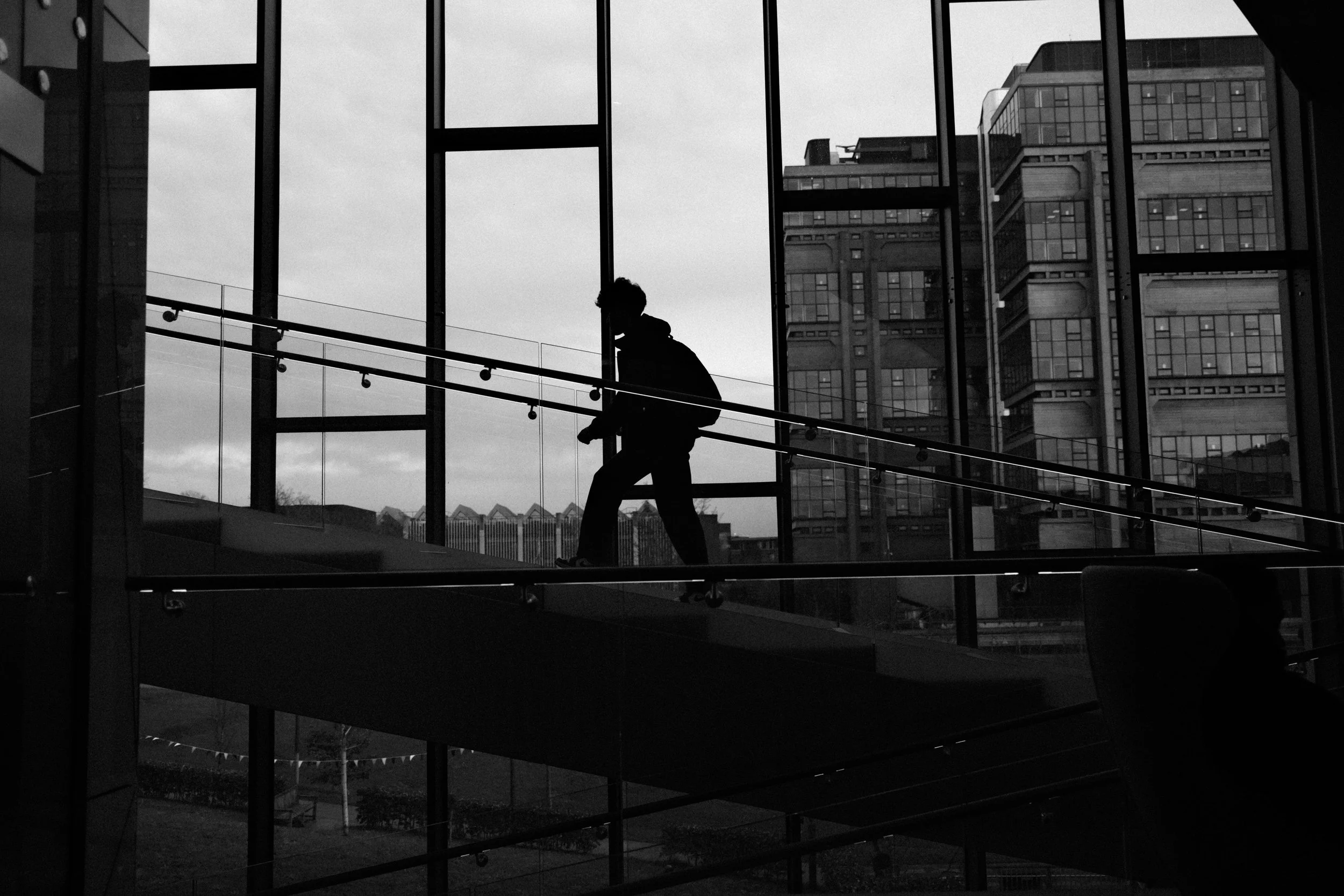
It happened just the other day, as I was leaving school after a morning of disappointment over how some students choose to behave in class. I walked down the stairs, and there in front of me were two girls walking with a boy. I was struck by the elegant, discreet headscarf one of them was wearing. Suddenly they turned around and we recognized each other: they were three of my new students. They stopped me right away and said, “Ever since the last class, we haven’t been able to think about anything but the question you asked us—the one that caught us off guard: Who are we?” Then one of them went on, “Seriously, Prof, I’ve been asking myself that my whole life, but I’ve never found the answer.”
Meanwhile, my gaze was drawn to the stream of other students pouring out to go home. I recognized many of them; others I didn’t know, and I thought of how many stories—full of joys and unspeakable wounds—lie hidden behind those faces. Everyone was leaving, and these three had stopped, as if to tell me: “Don’t give up on these challenges you’ve set for us. No one has ever challenged us like this—we’re here.”
What freedom God has! Enough to come and find me a moment before I left school, so that disappointment, which had already taken over the whole scene, would not have the last word. They had stopped me to tell me how deeply moved they were by the question I had asked, and they let me open my eyes once more. That is the beauty of remaining children: always willing, even amid every possible betrayal, to let reality touch us.
Twenty-sixth Sunday in Ordinary Time (Year A) · Matthew 21:28–32
-
Rimanere figli e riaprire gli occhi
Simone Riva
I peccatori portano dentro una ferita che chi si ritiene perfetto crede di non avere. La consapevolezza di questa ferita ridesta in noi uno stupore nuovo
“Vedere per credere” dice una nota espressione popolare. Ma forse non basta: “In verità io vi dico: i pubblicani e le prostitute vi passano avanti nel regno di Dio. Giovanni infatti venne a voi sulla via della giustizia, e non gli avete creduto; i pubblicani e le prostitute invece gli hanno creduto. Voi, al contrario, avete visto queste cose, ma poi non vi siete nemmeno pentiti così da credergli” (Mt 21,32). Possiamo passare anni avendo davanti agli occhi le cose più grandi, essere coinvolti nelle circostanze più cariche di sfida, e non accorgerci di nulla. Pieni di tutto quello che crediamo di sapere, non abbiamo più posto per lo stupore.
Pubblicani e prostitute portano dentro una ferita, che sarà anche quella di Pietro: il tradimento. I pubblicani hanno tradito il loro popolo, accettando di diventare complici dei romani nel compito più odioso del mondo, quello di riscuotere le tasse. Le prostitute, invece, devono fare i conti con un tradimento quasi sempre non voluto, quello dei propri affetti, trovandosi così in una posizione ancora più fragile. Gesù rivela che queste due categorie di persone si trovano sulla “corsia di sorpasso” nel Regno di Dio perché, pur avendo visto le stesse cose e sentito le stesse parole, hanno creduto.
Cosa mancava, invece, a sacerdoti e anziani del popolo per ritrovarsi annoverati tra gli increduli? La coscienza di essere anch’essi traditori. Questi uomini, infatti, si trovano in una posizione delicata. Avevano letto tutti i testi, studiato tutte le profezie, memorizzato tutti gli insegnamenti, ma non avevano usato nulla di tutto questo per dare un nome a ciò che stava accadendo davanti ai loro occhi. In nome della tradizione l’avevano tradita.
Papa Francesco li aveva definiti come coloro ai quali “in modo particolare Dio ha affidato il suo ‘sogno’, cioè il suo popolo, perché lo coltivino, ne abbiano cura, lo custodiscano dagli animali selvatici. Questo è il compito dei capi del popolo: coltivare la vigna con libertà, creatività e operosità” (dall’omelia del 5 ottobre 2014). Tre caratteristiche ardite che, realisticamente, vediamo in atto solo nella Trinità. Paradossalmente, però, proprio per questa peculiarità divina siamo aiutati a sorprenderle immediatamente quando le intercettiamo nel quotidiano.
Come l’altro giorno, uscendo da scuola, dopo una mattinata di delusione per come certi ragazzi decidono di stare in classe. Scendo le scale e, davanti a me, ci sono due studentesse insieme a un loro amico. Mi colpisce la cura del velo, elegante e discreto, che indossa una di loro. A un tratto si girano e ci riconosciamo, sono tre miei nuovi alunni. Subito mi fermano e mi dicono: “Dopo l’ultima lezione non facciamo altro che pensare alla domanda che ci ha fatto e che ci ha spiazzato: chi siamo?“. Poi una di loro continua: “Davvero prof, io me la faccio da sempre ma non ho mai trovato la risposta”.
Nel mentre il mio sguardo è colpito dalla fiumana degli altri ragazzi che sta uscendo per andare a casa. Molti li ho in mente, altri non li conosco, e penso a quante storie, piene di gioie e ferite indicibili, si nascondono dietro quei volti. Tutti se ne vanno, e tre si fermano come a dirmi: non molli con queste provocazioni che ci ha fatto, nessuno ci ha mai sfidato così, noi ci siamo.
Che libertà ha Dio, tanto da venire a riprendermi un istante prima di uscire da scuola, perché a vincere non sia la delusione che aveva già occupato tutta la scena! Mi avevano fermato per dirmi di come erano state colpite dalla domanda che avevo proposto e hanno permesso che io riaprissi gli occhi. È il bello di rimanere figli, sempre disposti, dentro tutti i possibili tradimenti, a lasciarsi colpire dalla realtà.
— — — —
-
Rester des enfants et rouvrir les yeux
Simone Riva
Les pécheurs portent en eux une blessure que ceux qui se croient parfaits pensent ne pas avoir.
La prise de conscience de cette blessure réveille en nous un émerveillement nouveau
« Il faut le voir pour le croire », dit un adage populaire bien connu. Mais cela ne suffit peut-être pas : « En vérité, je vous le dis : les publicains et les prostituées vous devancent dans le royaume de Dieu. En effet, Jean est venu vers vous sur le chemin de la justice, et vous ne l’avez pas cru ; les publicains et les prostituées, eux, l’ont cru. Vous, au contraire, vous avez vu ces choses, mais vous ne vous êtes même pas repentis au point de le croire » (Mt 21, 32). Nous pouvons passer des années à avoir sous les yeux les choses les plus grandes, à être confrontés aux circonstances les plus difficiles, sans rien remarquer. Remplis de tout ce que nous croyons savoir, nous n’avons plus de place pour l’émerveillement.
Les publicains et les prostituées portent en eux une blessure, qui sera aussi celle de Pierre : la trahison. Les publicains ont trahi leur peuple, en acceptant de devenir les complices des Romains dans la tâche la plus odieuse du monde, celle de percevoir les impôts. Les prostituées, quant à elles, doivent faire face à une trahison presque toujours involontaire, celle de leurs proches, ce qui les place dans une situation encore plus fragile. Jésus révèle que ces deux catégories de personnes se trouvent sur la « voie rapide » du Royaume de Dieu car, bien qu’ayant vu les mêmes choses et entendu les mêmes paroles, elles ont cru.
Qu’est-ce qui manquait donc aux prêtres et aux anciens du peuple pour qu’ils se retrouvent comptés parmi les incrédules ? La conscience d’être eux aussi des traîtres. Ces hommes se trouvent en effet dans une position délicate. Ils avaient lu tous les textes, étudié toutes les prophéties, mémorisé tous les enseignements, mais ils n’avaient rien utilisé de tout cela pour nommer ce qui se passait sous leurs yeux. Au nom de la tradition, ils l’avaient trahie.
Le pape François les avait définis comme ceux à qui « Dieu a confié de manière particulière son “rêve”, c’est-à-dire son peuple, afin qu’ils le cultivent, en prennent soin, le protègent des bêtes sauvages. Telle est la tâche des chefs du peuple : cultiver la vigne avec liberté, créativité et diligence » (extrait de l’homélie du 5 octobre 2014). Trois caractéristiques audacieuses que, d’un point de vue réaliste, nous ne voyons à l’œuvre que dans la Trinité. Paradoxalement, cependant, c’est précisément grâce à cette particularité divine que nous sommes aidés à les reconnaître immédiatement lorsque nous les apercevons dans la vie quotidienne.
Comme l’autre jour, en sortant de l’école, après une matinée décevante à cause de l’attitude de certains élèves en classe. Je descends les escaliers et, devant moi, se trouvent deux élèves accompagnées d’un de leurs amis. Je suis frappé par le soin apporté au voile, élégant et discret, que porte l’une d’entre elles.
Soudain, ils se retournent et nous nous reconnaissons : ce sont trois de mes nouveaux élèves. Ils m’arrêtent aussitôt et me disent : « Depuis le dernier cours, nous ne faisons que penser à la question que vous nous avez posée et qui nous a pris au dépourvu : qui sommes-nous ? ». Puis l’une d’elles poursuit : « Vraiment, prof, je me la pose depuis toujours, mais je n’ai jamais trouvé la réponse ».
Pendant ce temps, mon regard est attiré par le flot des autres élèves qui sortent pour rentrer chez eux. J’en ai beaucoup en tête, d’autres je ne les connais pas, et je pense à toutes ces histoires, pleines de joies et de blessures indicibles, qui se cachent derrière ces visages. Tous s’en vont, et trois d’entre eux s’arrêtent comme pour me dire : « N’abandonnez pas ces provocations que vous nous avez lancées, personne ne nous a jamais mis au défi ainsi, nous sommes là. »
Quelle liberté a Dieu, au point de venir me rattraper un instant avant la sortie de l’école, pour que ce ne soit pas la déception, qui avait déjà envahi toute la scène, qui l’emporte ! Ils m’avaient arrêté pour me dire à quel point la question que j’avais posée les avait touchés, et ils m’ont permis de rouvrir les yeux. C’est là toute la beauté de rester des enfants, toujours disposés, au milieu de toutes les trahisons possibles, à se laisser toucher par la réalité.
— — — —
-
Seguir siendo hijos y volver a abrir los ojos
Simone Riva
Los pecadores llevan dentro una herida que quienes se consideran perfectos creen no tener. La conciencia de esta herida despierta en nosotros un nuevo asombro
«Ver para creer», dice una conocida expresión popular. Pero quizá no sea suficiente: «En verdad os digo: los publicanos y las prostitutas os adelantan en el reino de Dios. De hecho, Juan vino a vosotros por el camino de la justicia, y no le creísteis; los publicanos y las prostitutas, en cambio, sí le creyeron. Vosotros, por el contrario, habéis visto estas cosas, pero ni siquiera os habéis arrepentido para creerle» (Mt 21,32). Podemos pasar años teniendo ante nuestros ojos las cosas más grandiosas, estar inmersos en las circunstancias más desafiantes, y no darnos cuenta de nada. Llenos de todo lo que creemos saber, ya no nos queda espacio para el asombro.
Los publicanos y las prostitutas llevan dentro una herida, que también será la de Pedro: la traición. Los publicanos traicionaron a su pueblo al aceptar convertirse en cómplices de los romanos en la tarea más odiosa del mundo: recaudar impuestos. Las prostitutas, en cambio, deben lidiar con una traición casi siempre involuntaria, la de sus propios seres queridos, lo que las sitúa en una posición aún más frágil. Jesús revela que estas dos categorías de personas se encuentran en el «carril rápido» del Reino de Dios porque, a pesar de haber visto las mismas cosas y oído las mismas palabras, han creído.
¿Qué les faltaba, en cambio, a los sacerdotes y a los ancianos del pueblo para encontrarse contados entre los incrédulos? La conciencia de ser también ellos traidores. Estos hombres, de hecho, se encuentran en una posición delicada. Habían leído todos los textos, estudiado todas las profecías, memorizado todas las enseñanzas, pero no habían utilizado nada de todo ello para dar un nombre a lo que estaba sucediendo ante sus ojos. En nombre de la tradición, la habían traicionado.
El papa Francisco los había definido como aquellos a quienes «Dios ha confiado de manera especial su “sueño”, es decir, su pueblo, para que lo cultiven, lo cuiden y lo protejan de las bestias salvajes. Esta es la tarea de los líderes del pueblo: cultivar la viña con libertad, creatividad y laboriosidad» (de la homilía del 5 de octubre de 2014). Tres características audaces que, siendo realistas, solo vemos en acción en la Trinidad. Paradójicamente, sin embargo, precisamente por esta peculiaridad divina, nos resulta más fácil reconocerlas de inmediato cuando las encontramos en la vida cotidiana.
Como el otro día, al salir del colegio, tras una mañana de decepción por la forma en que algunos chicos deciden comportarse en clase. Bajo las escaleras y, delante de mí, hay dos alumnas junto a un amigo suyo. Me llama la atención el cuidado con el que una de ellas lleva el velo, elegante y discreto. De repente se dan la vuelta y nos reconocemos; son tres de mis nuevos alumnos. Enseguida me detienen y me dicen: «Desde la última clase no hacemos más que pensar en la pregunta que nos hizo y que nos dejó desconcertados: ¿quiénes somos?». Luego, una de ellas continúa: «De verdad, profe, me la he estado haciendo desde siempre, pero nunca he encontrado la respuesta».
Mientras tanto, mi mirada se fija en la avalancha de otros chicos que salen para irse a casa. A muchos los tengo presentes, a otros no los conozco, y pienso en cuántas historias, llenas de alegrías y heridas indecibles, se esconden tras esos rostros. Todos se marchan, y tres se quedan como para decirme: no cedas con estas provocaciones que nos has planteado, nadie nos ha desafiado así nunca, aquí estamos.
¡Qué libertad tiene Dios, hasta el punto de venir a buscarme un instante antes de salir del colegio, para que no triunfe la decepción que ya lo había invadido todo! Me habían detenido para decirme lo mucho que les había impactado la pregunta que había planteado y me han permitido volver a abrir los ojos. Es lo bonito de seguir siendo hijos, siempre dispuestos, en medio de todas las posibles traiciones, a dejarnos conmover por la realidad.
— — — —