Defeating the Death Within Us
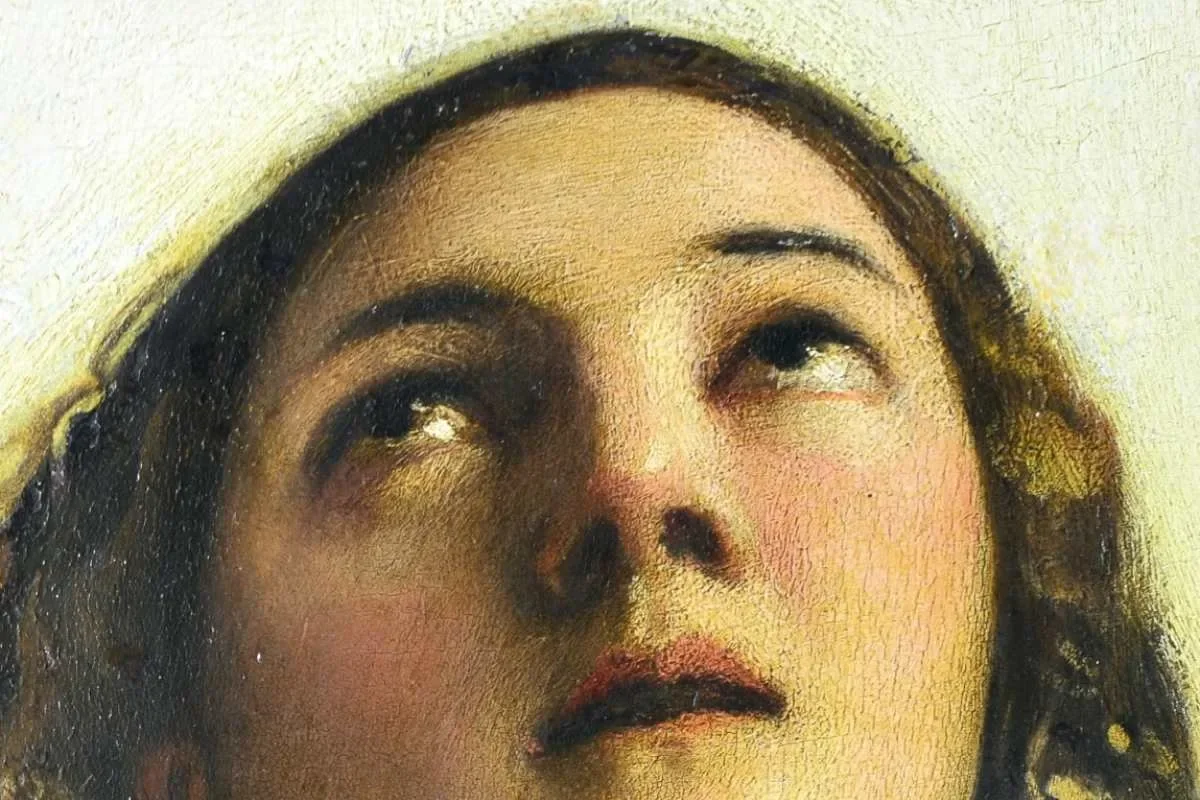
Tiziano - The Assumption - Particular
“Happiness does not lie in beauty, efficiency, or health. Happiness is being loved and being able to love.”
Archbishop of Milan Mario Delpini - Mary Can Defeat the Death Within Us
The Man of Death sows the doubt that the resurrection is a deception. God's answer is the Assumption of Mary, a foretaste of the destiny that awaits us.
And so two men meet—or rather, clash: the Man of Death and the Man of the Resurrection. Perhaps the first is called Adam, or perhaps simply "Man"; the second can only be called Jesus.
The Man of Death says: "This much is clear: everyone dies, and there is no trace of the resurrection."
The Man of the Resurrection says: "One can choose to live in despair. One can also choose to trust the promise. Whoever believes in me will never die."
The Man of Death says: "Yes, it is right to think that there is eternal life. In every man and woman there is indeed an immortal soul. But the body is mortal: it is born, lives, dies, and decays. The body is a kind of prison that keeps the soul from being free and happy."
The Man of the Resurrection says: "Can this fantasy of pure spirit be called a person? Can there be a freedom that is not made of flesh and heart? Can there be a happiness that is not made of sharing in a common celebration, of being together as one body and one spirit?"
The Man of Death says: "Perhaps that would be nice. Who knows? True, we don't know much about the soul. But we know a great deal about the body. Everyone can see how fragile the body is. The body is embarrassing. The body is never perfect. The body is a source of unhappiness. It's always too fat or too small, too old or too sick. Countless men and women are tormented by their own bodies. How can they be happy if they're condemned to remain in that body for eternity?"
The Man of the Resurrection says: "The mortal body is subject to death, but it will be raised a glorious body. No one can imagine what that will be like. This is not science fiction. But look at me; touch me. A ghost does not have flesh and bones, as you can see I have."
The Man of Death says: "And yet you suffered; you were humiliated, mistreated, killed. You did not escape cruelty—you have a body that can be chained and abused. So how can you speak well of the body? How can anyone speak well of sick bodies, of bodies ruined and marked by disability?"
The Man of the Resurrection says: "Every person, just as they are, can be happy. Happiness does not lie in beauty, efficiency, or health. Happiness is being loved and being able to love. The fullness of happiness is to love with all your heart, with all your mind, with all your strength, with all that you are. The wounds I bear on my risen body are the revelation that love has been brought to fulfillment: even in suffering I have loved, and I have made men and women capable of loving."
The Man of Death says: "You present a mystery as if it were a fact. But I stick to the facts. I do not believe in mysteries; I believe in science. And science is unequivocal: every living being is destined to die. And so the living bodies of men and women, like those of animals, soon come to their end in this precarious life. Let's stick to the facts!"
The Man of the Resurrection says: "You speak of facts as if they were the truth. You speak of science as if it were the only way to know the world. I speak of the truth; my word is truth. I am the truth: and the truth of the world, of life, and of death can be known only through me."
The Man of Death says: "But who do you claim to be? I speak of common sense and shared experience. I speak of the beautiful body that grows old and ugly and gets ready to die. I speak of the pleasure that can be enjoyed for a little while. As the poet says: 'How fair is youth, and yet how quickly it flees. Let whoever wishes to be joyful, be so; of tomorrow there is no certainty.' That is what the body is for: to squeeze out a moment of pleasure. Then come the long days of suffering."
The Man of the Resurrection says: "And yet common sense knows there is a seed of hope in the human soul, a longing for tomorrow. Common sense knows that pleasure stolen from the body is like a poison, sweet on the tongue but bitter once it takes root in the soul, in thought, in remorse. I have lived and taught so that you may recognize that we are made to love—with a fruitful love, a love that makes those who love one another better. This is my commandment: love one another as I have loved you."
The Man of the Resurrection shares his glory with Mary, his Mother, and invites us to look at the great sign of the woman clothed with the sun—the promise and the call to glory for all God's children.
The Man of Death says nothing more.
He is dead.
-
“Maria può sconfiggere la morte che c’è in noi”
Arcivescovo di Milano - Mario DelpiniL'uomo della morte insinua il dubbio che la resurrezione sia un inganno. La risposta di Dio è l'assunzione di Maria, anticipazione del nostro destino futuro
Dunque, si incontrano, anzi si scontrano due uomini, quello della morte e quello della risurrezione, forse il primo si chiama Adamo, o forse semplicemente Uomo; il secondo non può che chiamarsi Gesù.
L’uomo della morte dice: “Questa cosa è evidente: tutti muoiono e della risurrezione non c’è traccia“.
L’uomo della risurrezione dice: “Si può anche scegliere di vivere disperati. Si può anche scegliere di affidarsi alla promessa. Chi crede in me, non morirà in eterno”.
L’uomo della morte dice: “Sì, è giusto pensare che ci sia una vita eterna. In ogni uomo e donna c’è infatti un’anima immortale. Ma il corpo è mortale: nasce, vive, muore, marcisce. Il corpo è una specie di prigione che impedisce all’anima di essere libera, felice”.
L’uomo della risurrezione: “Si può chiamare persona questa fantasia di un puro spirito? Ci può essere una libertà che non sia fatta di carne e cuore? ci può essere una felicità che non sia fatta di un partecipare a una festa condivisa, un essere insieme un solo corpo, un solo spirito?”.
L’uomo della morte dice: “Forse sarebbe bello. Chi sa? È vero che dell’anima non si sa un gran che. Ma del corpo si sa molto. Tutti vedono la fragilità del corpo. Il corpo è imbarazzante. Il corpo non è mai perfetto. Il corpo è un motivo di infelicità. È sempre troppo grasso o troppo piccolo o troppo vecchio o troppo malato. Un numero incalcolabile di uomini e donne è tormentato dal proprio corpo. Come potranno essere felici se sono condannati a restare in quel corpo per l’eternità?”.
L’uomo della risurrezione dice: “Il corpo mortale è consegnato alla morte, ma sarà chiamato a risorgere come corpo glorioso. Nessuno può immaginare come sarà. Non è un argomento di fantascienza. Ma guardami, toccami, uno spirito non ha corpo come vedi che io ho”.
L’uomo della morte dice: “Eppure tu hai sofferto, sei stato umiliato, maltrattato, ucciso. Non sei sfuggito alla crudeltà, hai infatti un corpo che si può incatenare e maltrattare. E come puoi dire bene del corpo? Come si può dire bene dei corpi malati, dei corpi rovinati, segnati dalla disabilità?”
L’uomo della resurrezione dice: “Ogni persona, così com’è può essere felice. La felicità, infatti, non è nella bellezza, nell’efficienza, nella salute. La felicità è essere amati ed essere capaci di amare. La pienezza della felicità è amare con tutto il cuore, con tutta la mente, con tutte le forze, con tutto quello che si è. Le ferite che porto nel corpo risorto sono la rivelazione che l’amore è compiuto: anche nel soffrire ho amato e ho reso uomini e donne capaci di amare”.
L’uomo della morte dice: “Tu presenti un mistero come se fosse una evidenza. Ma io mi attengo ai fatti, io non credo nei misteri, ma nella scienza. E la scienza è perentoria: ogni vivente è destinato a morire. Quindi il corpo vivente di uomini e donne così come degli animali finisce presto questa vita precaria. Conviene stare ai fatti!”.
L’uomo della risurrezione dice: “Tu parli dei fatti come se fossero la verità. Tu parli della scienza come se fosse l’unico modo di conoscere il mondo. Io parlo della verità, la mia parola è verità. Io sono la verità: e si può conoscere la verità del mondo, della vita, della morte, solo attraverso di me”.
L’uomo della morte dice: “Ma chi pretendi di essere? Io parlo del buon senso e dell’esperienza comune. Parlo del corpo bello che diventa vecchio e brutto e si predispone alla morte. Parlo del piacere che si può godere per breve tempo. Come dice il poeta: “quanto è bella giovinezza, che si fugge tuttavia. Chi vuol esser lieto sia, di doman non c’è certezza”. Ecco a che cosa serve il corpo: a spremere un momento di piacere. Poi vengono i tempi lunghi della pena”.
L’uomo della risurrezione dice: “Eppure il buon senso sa che c’è un seme di speranza nell’animo umano, c’è una invocazione di domani. Il buon senso sa che il piacere rubato al corpo è come un veleno che è dolce quando si assaggia ed è amaro quando mette radici dentro l’anima, dentro il pensiero, dentro il rimorso. Io ho vissuto e insegnato perché si possa riconoscere che siamo fatti per amare, di un amore fecondo, di un amore che rende migliori coloro che si amano. Ecco il mio comandamento: che vi amiate gli uni gli altri, come io ho amato voi”.
L’uomo della risurrezione rende partecipe Maria, la Madre, della sua gloria e invita a vedere il grande segno della donna vestita di sole, la promessa e vocazione alla gloria per tutti i figli di Dio.
L’uomo della morte non dice più niente.
È morto.
-
«María puede vencer la muerte que hay en nosotros»
Arzobispo Mario Delpini
El hombre de la muerte siembra la duda de que la resurrección sea un engaño. La respuesta de Dios es la Asunción de María, anticipación de nuestro destino futuro
Así pues, se encuentran, o mejor dicho, se enfrentan dos hombres: el de la muerte y el de la resurrección; quizá el primero se llame Adán, o quizá simplemente Hombre; el segundo no puede llamarse sino Jesús.
El hombre de la muerte dice: «Esto es evidente: todos mueren y de la resurrección no hay rastro alguno».
El hombre de la resurrección dice: «También se puede elegir vivir desesperados. También se puede elegir confiar en la promesa. Quien crea en mí, no morirá eternamente».
El hombre de la muerte dice: «Sí, es correcto pensar que hay una vida eterna. De hecho, en cada hombre y cada mujer hay un alma inmortal. Pero el cuerpo es mortal: nace, vive, muere, se descompone. El cuerpo es una especie de prisión que impide que el alma sea libre y feliz».
El hombre de la resurrección: «¿Se puede llamar persona a esta fantasía de un espíritu puro? ¿Puede haber una libertad que no esté hecha de carne y corazón? ¿Puede haber una felicidad que no consista en participar en una fiesta compartida, en ser juntos un solo cuerpo, un solo espíritu?».
El hombre de la muerte dice: «Quizá sería bonito. ¿Quién sabe? Es cierto que del alma no se sabe gran cosa. Pero del cuerpo se sabe mucho. Todos ven la fragilidad del cuerpo. El cuerpo da vergüenza. El cuerpo nunca es perfecto. El cuerpo es motivo de infelicidad. Siempre está demasiado gordo, demasiado pequeño, demasiado viejo o demasiado enfermo. Un número incalculable de hombres y mujeres se siente atormentado por su propio cuerpo. ¿Cómo podrán ser felices si están condenados a permanecer en ese cuerpo por toda la eternidad?».
El hombre de la resurrección dice: «El cuerpo mortal está entregado a la muerte, pero será llamado a resucitar como cuerpo glorioso. Nadie puede imaginar cómo será. No es un tema de ciencia ficción. Pero mírame, tócalme, un espíritu no tiene cuerpo, como ves que yo tengo».
El hombre de la muerte dice: «Y, sin embargo, tú has sufrido, has sido humillado, maltratado, asesinado. No has escapado a la crueldad; de hecho, tienes un cuerpo que puede ser encadenado y maltratado. ¿Y cómo puedes hablar bien del cuerpo? ¿Cómo se puede hablar bien de los cuerpos enfermos, de los cuerpos destrozados, marcados por la discapacidad?».
El hombre de la resurrección dice: «Cada persona, tal y como es, puede ser feliz. La felicidad, de hecho, no está en la belleza, en la eficiencia, en la salud. La felicidad es ser amado y ser capaz de amar. La plenitud de la felicidad es amar con todo el corazón, con toda la mente, con todas las fuerzas, con todo lo que uno es. Las heridas que llevo en el cuerpo resucitado son la revelación de que el amor se ha cumplido: incluso en el sufrimiento he amado y he hecho que hombres y mujeres sean capaces de amar».
El hombre de la muerte dice: «Tú presentas un misterio como si fuera una evidencia. Pero yo me atengo a los hechos; no creo en los misterios, sino en la ciencia. Y la ciencia es tajante: todo ser vivo está destinado a morir. Por lo tanto, el cuerpo vivo de hombres y mujeres, al igual que el de los animales, pone pronto fin a esta vida precaria. ¡Conviene atenerse a los hechos!».
El hombre de la resurrección dice: «Hablas de los hechos como si fueran la verdad. Hablas de la ciencia como si fuera la única forma de conocer el mundo. Yo hablo de la verdad; mi palabra es verdad. Yo soy la verdad: y solo a través de mí se puede conocer la verdad del mundo, de la vida y de la muerte».
El hombre de la muerte dice: «¿Pero quién pretendes ser? Yo hablo del sentido común y de la experiencia común. Hablo del cuerpo bello que envejece y se vuelve feo, y se prepara para la muerte. Hablo del placer que se puede disfrutar por un breve tiempo. Como dice el poeta: “¡Cuán bella es la juventud, que, sin embargo, se escapa! Quien quiera ser feliz, que lo sea, pues no hay certeza sobre el mañana». Para eso sirve el cuerpo: para exprimir un momento de placer. Después vienen los largos tiempos del dolor».
El hombre de la resurrección dice: «Y, sin embargo, el sentido común sabe que hay una semilla de esperanza en el alma humana, hay una invocación del mañana. El sentido común sabe que el placer robado al cuerpo es como un veneno que es dulce al probarlo y amargo cuando echa raíces en el alma, en el pensamiento, en el remordimiento. He vivido y enseñado para que se pueda reconocer que estamos hechos para amar, con un amor fecundo, un amor que hace mejores a quienes se aman. Este es mi mandamiento: que os améis los unos a los otros, como yo os he amado» .
El hombre de la resurrección hace partícipe a María, la Madre, de su gloria e invita a contemplar la gran señal de la mujer vestida de sol, la promesa y la vocación a la gloria para todos los hijos de Dios.
El hombre de la muerte ya no dice nada.
Ha muerto.
-
« Marie peut vaincre la mort qui est en nous »
Archevêque Mario Delpini
L’homme de la mort sème le doute en laissant entendre que la résurrection n’est qu’une supercherie. La réponse de Dieu est l’Assomption de Marie, anticipation de notre destin futur
Ainsi, deux hommes se rencontrent, ou plutôt s’affrontent : celui de la mort et celui de la résurrection. Peut-être le premier s’appelle-t-il Adam, ou peut-être simplement « l’Homme » ; le second ne peut s’appeler autrement que Jésus.
L’homme de la mort dit : « Une chose est évidente : tout le monde meurt et il n’y a aucune trace de résurrection ».
L’homme de la résurrection dit : « On peut aussi choisir de vivre dans le désespoir. On peut aussi choisir de se confier à la promesse. Celui qui croit en moi ne mourra pas éternellement ».
L’homme de la mort dit : « Oui, il est juste de penser qu’il existe une vie éternelle. En effet, il y a en chaque homme et chaque femme une âme immortelle. Mais le corps est mortel : il naît, vit, meurt, se décompose. Le corps est une sorte de prison qui empêche l’âme d’être libre, heureuse ».
L’homme de la résurrection : « Peut-on appeler “personne” cette fantaisie d’un esprit pur ? Peut-il y avoir une liberté qui ne soit pas faite de chair et de cœur ? Peut-il y avoir un bonheur qui ne soit pas fait de participation à une fête partagée, d’être ensemble un seul corps, un seul esprit ? ».
L’homme de la mort dit : « Ce serait peut-être beau. Qui sait ? Il est vrai qu’on ne sait pas grand-chose de l’âme. Mais on en sait beaucoup sur le corps. Tout le monde voit la fragilité du corps. Le corps est gênant. Le corps n’est jamais parfait. Le corps est une source de malheur. Il est toujours trop gros, trop petit, trop vieux ou trop malade. Un nombre incalculable d’hommes et de femmes sont tourmentés par leur propre corps. Comment pourraient-ils être heureux s’ils sont condamnés à rester dans ce corps pour l’éternité ? ».
L’homme de la résurrection dit : « Le corps mortel est livré à la mort, mais il sera appelé à ressusciter sous la forme d’un corps glorieux. Personne ne peut imaginer à quoi il ressemblera. Ce n’est pas un sujet de science-fiction. Mais regarde-moi, touche-moi : un esprit n’a pas de corps, comme tu peux le constater, contrairement à moi. »
L’homme de la mort dit : « Et pourtant, tu as souffert, tu as été humilié, maltraité, tué. Tu n’as pas échappé à la cruauté, tu as en effet un corps que l’on peut enchaîner et maltraiter. Et comment peux-tu parler en bien du corps ? Comment peut-on parler en bien des corps malades, des corps abîmés, marqués par le handicap ? »
L’homme de la résurrection répond : « Chaque personne, telle qu’elle est, peut être heureuse. Le bonheur, en effet, ne réside pas dans la beauté, dans l’efficacité, dans la santé. Le bonheur, c’est d’être aimé et d’être capable d’aimer. La plénitude du bonheur, c’est d’aimer de tout son cœur, de tout son esprit, de toutes ses forces, de tout ce que l’on est. Les blessures que je porte sur mon corps ressuscité sont la révélation que l’amour est accompli : même dans la souffrance, j’ai aimé et j’ai rendu les hommes et les femmes capables d’aimer. »
L’homme de la mort dit : « Tu présentes un mystère comme s’il s’agissait d’une évidence. Mais moi, je m’en tiens aux faits, je ne crois pas aux mystères, mais à la science. Et la science est catégorique : tout être vivant est destiné à mourir. Ainsi, le corps vivant des hommes et des femmes, tout comme celui des animaux, met bientôt fin à cette vie précaire. Il vaut mieux s’en tenir aux faits ! ».
L’homme de la résurrection dit : « Tu parles des faits comme s’ils étaient la vérité. Tu parles de la science comme si c’était la seule façon de connaître le monde. Moi, je parle de la vérité, ma parole est vérité. Je suis la vérité : et on ne peut connaître la vérité du monde, de la vie, de la mort, qu’à travers moi. »
L’homme de la mort dit : « Mais qui prétends-tu être ? Je parle du bon sens et de l’expérience commune. Je parle du beau corps qui vieillit, s’enlaidit et se prépare à la mort. Je parle du plaisir dont on peut jouir pendant un court instant. Comme le dit le poète : « Combien la jeunesse est belle, mais elle s’enfuit pourtant. Que celui qui veut être heureux le soit, car demain n’est pas certain ». Voilà à quoi sert le corps : à savourer un instant de plaisir. Puis viennent les longues périodes de souffrance ».
L’homme de la résurrection dit : « Et pourtant, le bon sens sait qu’il y a une graine d’espoir dans l’âme humaine, qu’il y a une invocation vers demain. Le bon sens sait que le plaisir volé au corps est comme un poison qui est doux quand on le goûte et amer quand il prend racine dans l’âme, dans la pensée, dans le remords. J’ai vécu et enseigné afin que l’on puisse reconnaître que nous sommes faits pour aimer, d’un amour fécond, d’un amour qui rend meilleurs ceux qui s’aiment. Voici mon commandement : aimez-vous les uns les autres, comme je vous ai aimés » .
L’homme de la résurrection fait participer Marie, la Mère, à sa gloire et invite à voir dans la femme vêtue de soleil un grand signe, la promesse et la vocation à la gloire pour tous les enfants de Dieu.
L’homme de la mort ne dit plus rien.
Il est mort.